Researchers have successfully identified 9,909 British Indian Army soldiers from Punjab, ensuring their names are finally added to the CWGC war dead database.
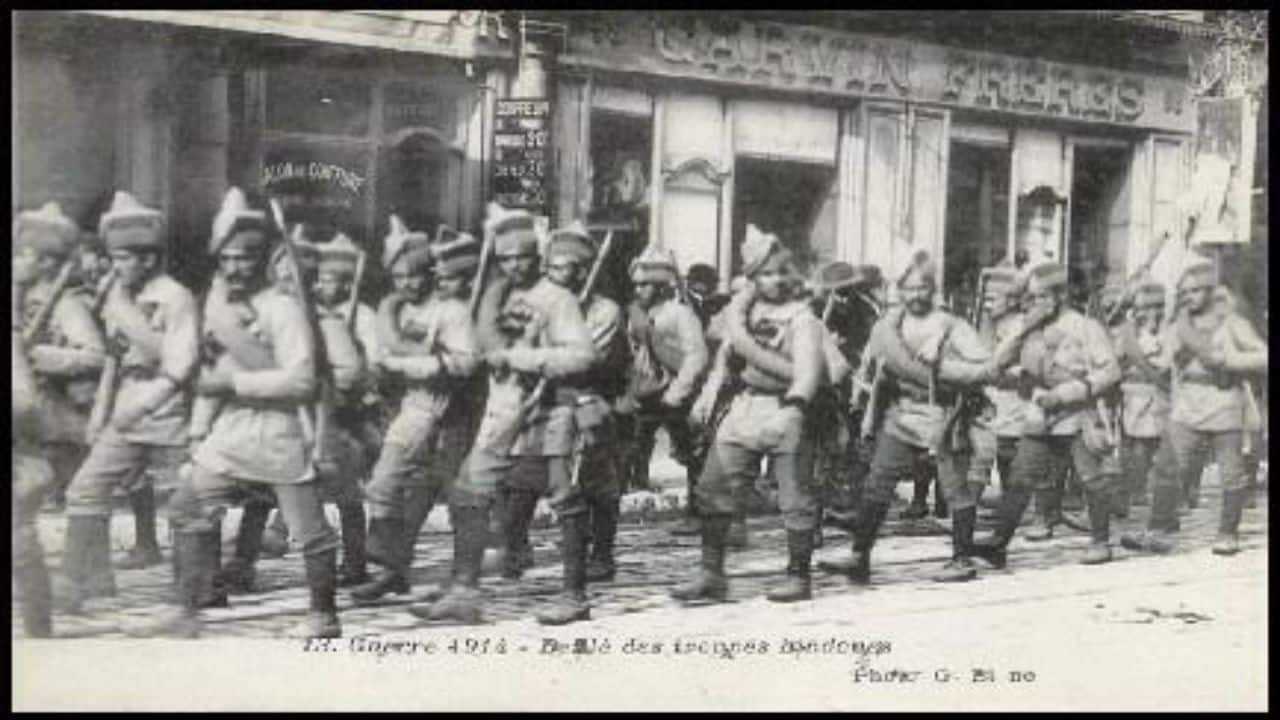
In a monumental act of historical justice, the identities of 9,909 forgotten Punjabi soldiers who perished during the First World War have been unearthed after more than a century. These soldiers, who served in the British Indian Army, are finally receiving the formal recognition they were denied at the time of their passing. Their names are now being integrated into the prestigious database of the Commonwealth War Graves Commission (CWGC).
Decades of Silence Broken
The identification comes after years of painstaking research by volunteers and historians. By scouring through ancient military registers and leather-bound volumes in locations such as the Lahore Museum, researchers managed to bridge the gap between lost history and modern recognition. This effort has provided closure to countless families, such as that of Sunny Palahi, who spent years searching for the fate of his great-grandfather, Kesar Singh, only to find him listed in these newly verified records.
The Impact of Partition on Military Records
The historical significance of this discovery cannot be overstated. During WWI, approximately 1.4 million personnel from the Indian subcontinent served the British Empire. However, the 1947 Partition of Punjab created a massive bureaucratic and geographical divide, making many military records inaccessible. The division of Punjab between India and Pakistan meant that many soldiers' lineages and final resting places were lost to the fog of history.
Redefining the Narrative of the Great War
A crucial aspect of this update is the shift in how the British Indian government categorized casualties. Many of these 9,909 soldiers died from wounds sustained away from the immediate battlefield; under old regulations, they were not classified as 'war dead.' By rectifying this, the CWGC is acknowledging the diverse composition of the forces, which included roughly 25% Sikhs, 25% Hindus, and 40% Muslims. This move aims to present the First World War as a truly international conflict rather than a purely Eurocentric event.