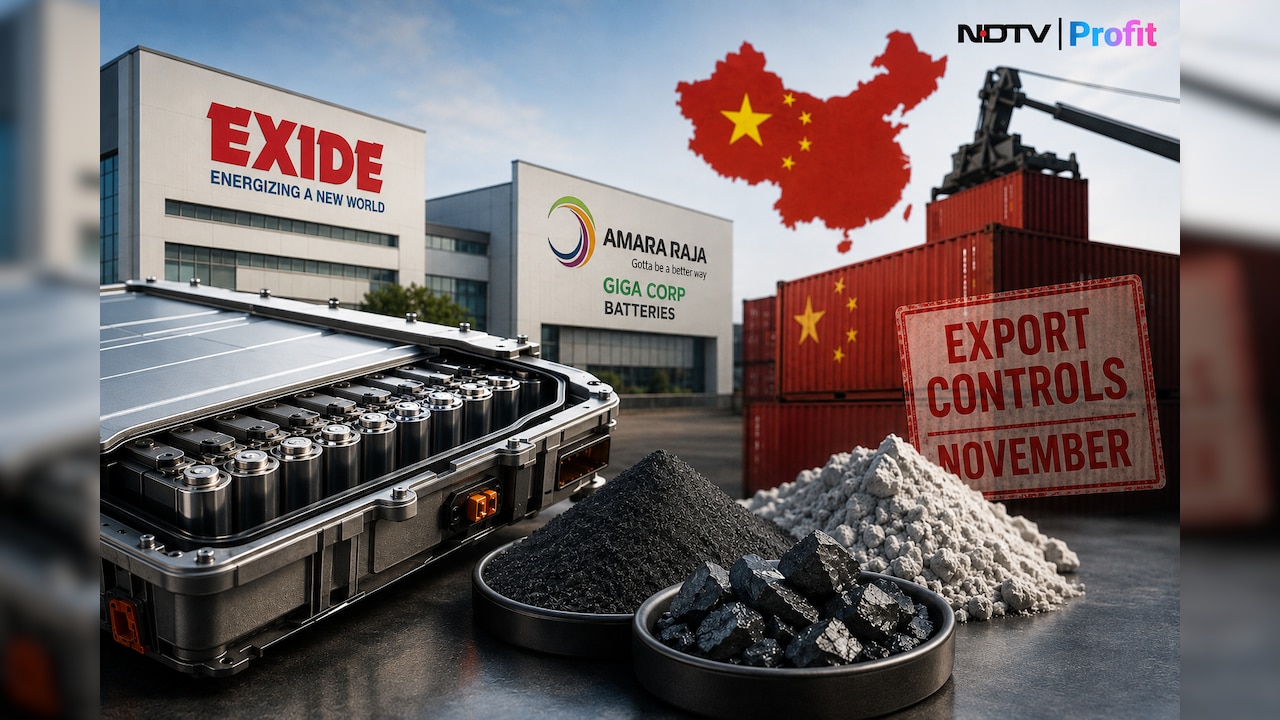
Exide and Amara Raja have launched their gigafactories, but the raw materials feeding them remain overwhelmingly sourced from China. A fresh round of export controls slated for November could tighten this dependence further.
Key Takeaways
- Exide and Amara Raja have activated battery gigafactories
- Approximately 95% of raw materials are imported from China
- India plans new export controls in November
Gigafactory Operations Begin
India’s leading battery manufacturers, Exide and Amara Raja, have recently brought their gigafactories to full‑capacity operation. This move is aimed at bolstering domestic supply for electric vehicles (EVs) and energy‑storage markets.
Continued Chinese Raw‑Material Dependence
Despite the operational boost, the essential inputs—graphite, lithium, cathode chemicals—are still sourced about 90‑95% from China. This reliance exposes Indian manufacturers to geopolitical and supply‑chain risks.
Upcoming Export Controls
The Indian government intends to roll out a new export‑control regime in November, imposing stricter limits on the outflow of critical raw materials. The policy aims to prioritize domestic industry and curb foreign‑sourced vulnerabilities.
Historical Background
Over the past two decades, India has launched multiple incentive schemes to expand battery production. Yet, China’s dominance in the global raw‑material market has kept Indian firms largely dependent on imports.
Why This Matters
BozokMedia analysis shows that without diversifying its raw‑material sources, India risks losing competitiveness in the rapidly growing EV and renewable‑energy sectors.
"Breaking the China dependency is essential for the long‑term success of India’s battery industry," says Dr. Rina Patel, energy policy specialist.
Frequently Asked Questions
Question 1: Will the new export‑control policy benefit India’s battery sector?
Answer: While it may boost domestic manufacturing, it could also temporarily raise raw‑material costs.
Question 2: What alternatives exist to replace Chinese supplies?
Answer: Developing sourcing partnerships with Australia, Canada, and African nations for lithium and graphite is a viable strategy.


