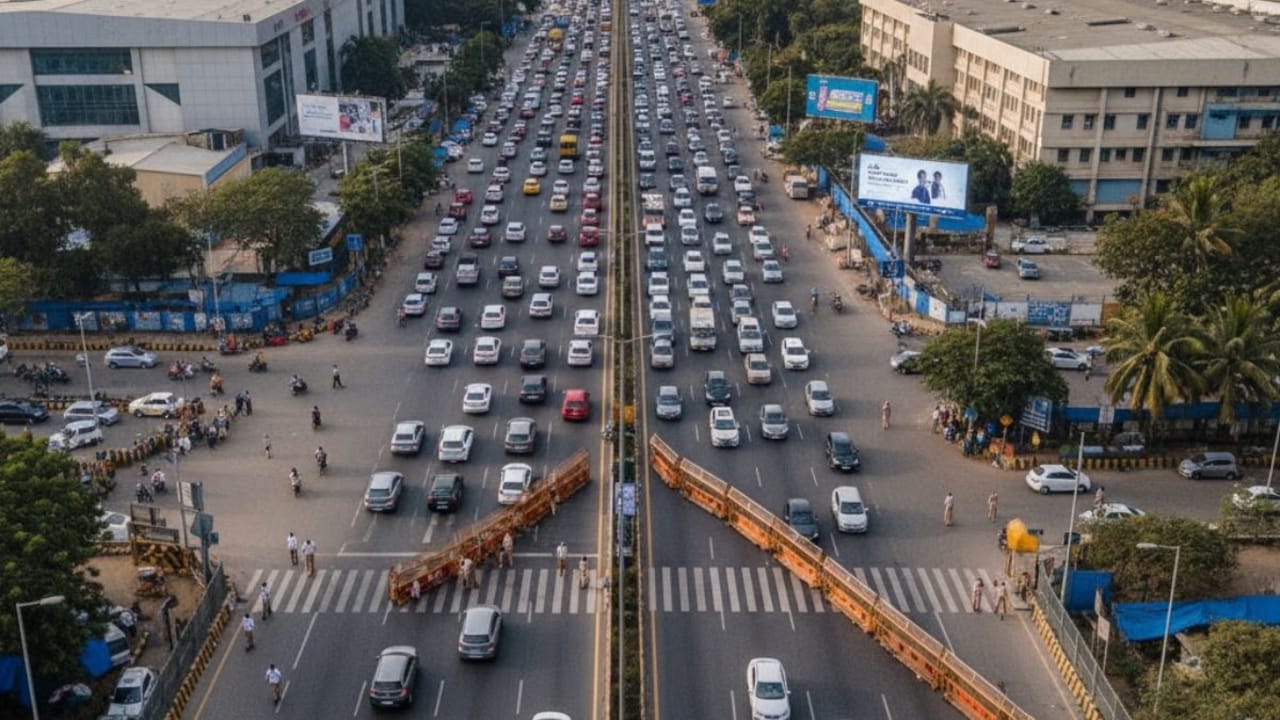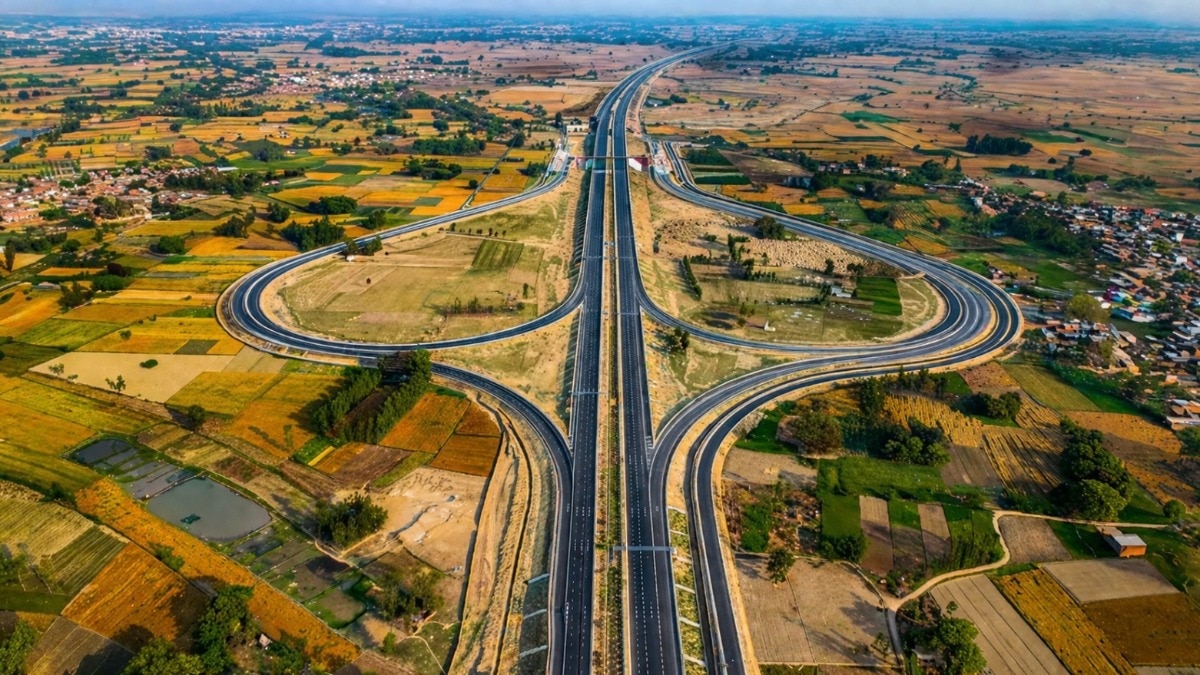
Commuters on the Delhi-Meerut Expressway will face variable speed limits starting August 15. The pilot project aims to reduce congestion and enhance safety through time-specific regulations.
Key Takeaways
- Variable speed limits begin August 15 on the Akshardham-Sarai Kale Khan stretch.
- Speed limits will fluctuate based on the time of day and traffic density.
- Automated enforcement via digital boards and speed cameras will be implemented.
In a groundbreaking move for Indian road infrastructure, the Delhi-Meerut Expressway is set to implement India's first-ever time-based variable speed limit system starting August 15. This pilot project, focused on the stretch between Akshardham and Sarai Kale Khan, aims to tackle the growing issues of traffic congestion and road accidents.
Unlike traditional systems where speed limits remain static throughout the day, this new model will adjust limits for cars and heavy vehicles based on real-time traffic conditions. The project is being implemented by the National Highways Authority of India (NHAI) in collaboration with experts from IIT Roorkee and the Central Road Research Institute (CRRI).
New Speed Limit Schedule
To ensure smooth traffic flow, the following time-based limits have been established:
| Time Slot | Cars | Heavy Vehicles |
|---|---|---|
| 12:00 AM - 07:00 AM | 65 kmph | 50 kmph |
| 07:00 AM - 05:00 PM | 55 kmph | 45 kmph |
| 05:00 PM - 12:00 AM | 60 kmph | 40 kmph |
BozokMedia analysis shows that this scientific approach, derived from months of 24-hour traffic data analysis, is designed to optimize road usage. Digital display boards have already been installed near Akshardham Temple and Pandav Nagar to inform motorists of the current limits.
Why This Matters
Static speed limits often fail to account for the extreme fluctuations in traffic density during peak hours. By introducing variable limits, authorities can prevent the 'accordion effect' in traffic jams and significantly reduce high-speed collisions during heavy congestion periods.
The main objective of the project is to reduce congestion and accidents on the roads through scientific data application.
Frequently Asked Questions
1. Will this apply to the entire expressway?
No, the first phase is limited to the Delhi stretch between Akshardham and Sarai Kale Khan.
2. How will violators be caught?
Automated speed detection cameras will be deployed to monitor compliance and trigger notifications for violators.