The International Criminal Court is at a crossroads as 125 member states prepare to vote on the removal of prosecutor Karim Khan following sexual misconduct allegations.
Key Takeaways
- Prosecutor Karim Khan faces a secret ballot vote regarding his removal from office.
- The allegations involve sexual misconduct with a junior colleague.
- A majority of 63 out of 125 member states is required for dismissal.
- The case is heavily complicated by ongoing investigations into Gaza war crimes.
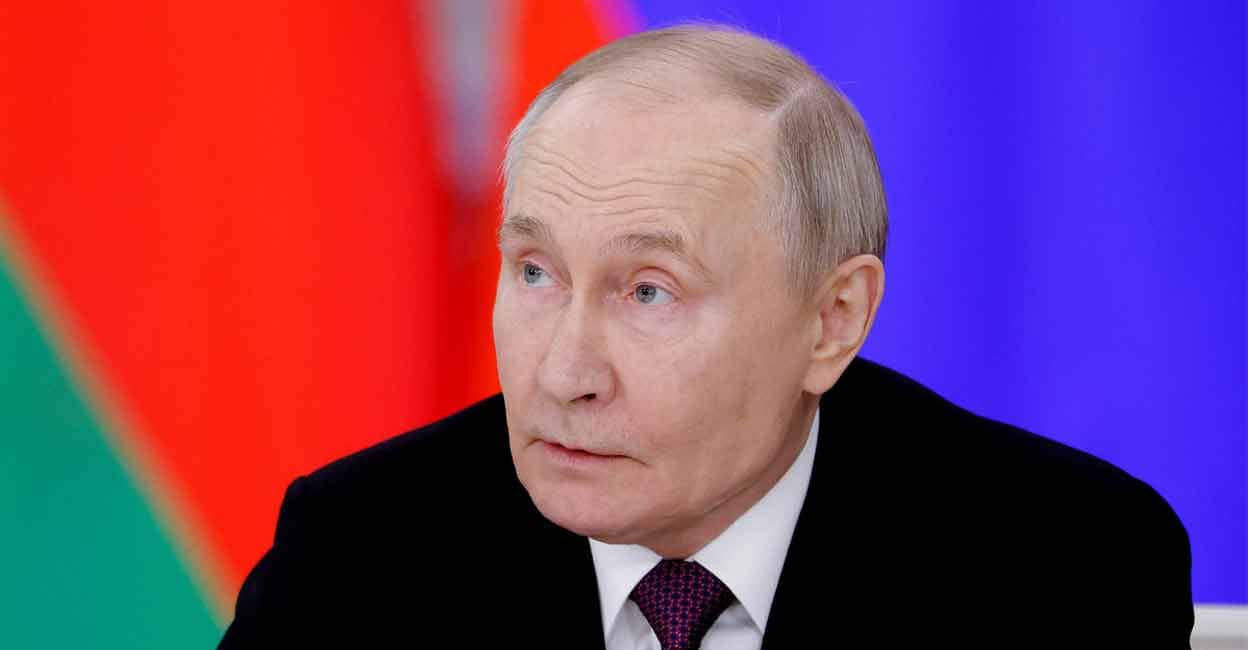
NEW YORK: A high-stakes showdown is unfolding at the United Nations Headquarters today. Members of the International Criminal Court (ICC) are set to cast secret ballots to decide the fate of Chief Prosecutor Karim Khan. The 56-year-old barrister stands accused of sexual misconduct involving a junior staff member, an allegation that has sent shockwaves through the international legal community.
The accuser, identified as 'Sarah,' has alleged a pattern of escalating inappropriate behavior, citing a significant power disparity that made consent impossible. While Khan vehemently denies any wrongdoing, the ICC has already suspended him from his official duties following a UN investigative report and advice from a judicial expert panel.
Why This Matters
BozokMedia analysis shows that this crisis is not merely a disciplinary matter but a geopolitical flashpoint. The timing is critical; Khan has been at the forefront of investigating potential war crimes in Gaza, including seeking arrest warrants for high-ranking Israeli officials. This has triggered intense backlash from allies of Israel, including the United States, leading to accusations that the disciplinary process is being weaponized for political ends.
"Political considerations have been folded into this, especially as it is the first time a prosecutor has pursued warrants against a Western ally."
If the vote results in his removal, the ICC will enter a leadership vacuum, with a new election process expected to take well into next year. Crucially, any existing arrest warrants issued by the court will remain valid, as only ICC judges possess the authority to rescind them.
Historical Background
The ICC was established to prosecute individuals for the most serious crimes of concern to the international community. The current turmoil marks one of the most significant challenges to the court's leadership and institutional stability since its inception, occurring amidst heightened global tensions over conflict zones in the Middle East and Europe.
Frequently Asked Questions
1. What is the threshold for removing the Prosecutor?
An absolute majority of at least 63 of the 125 member states must vote in favor of removal.
2. Will the Gaza investigation stop if Khan is removed?
Not necessarily, as the court's legal processes and existing warrants are managed by judges, not just the prosecutor.