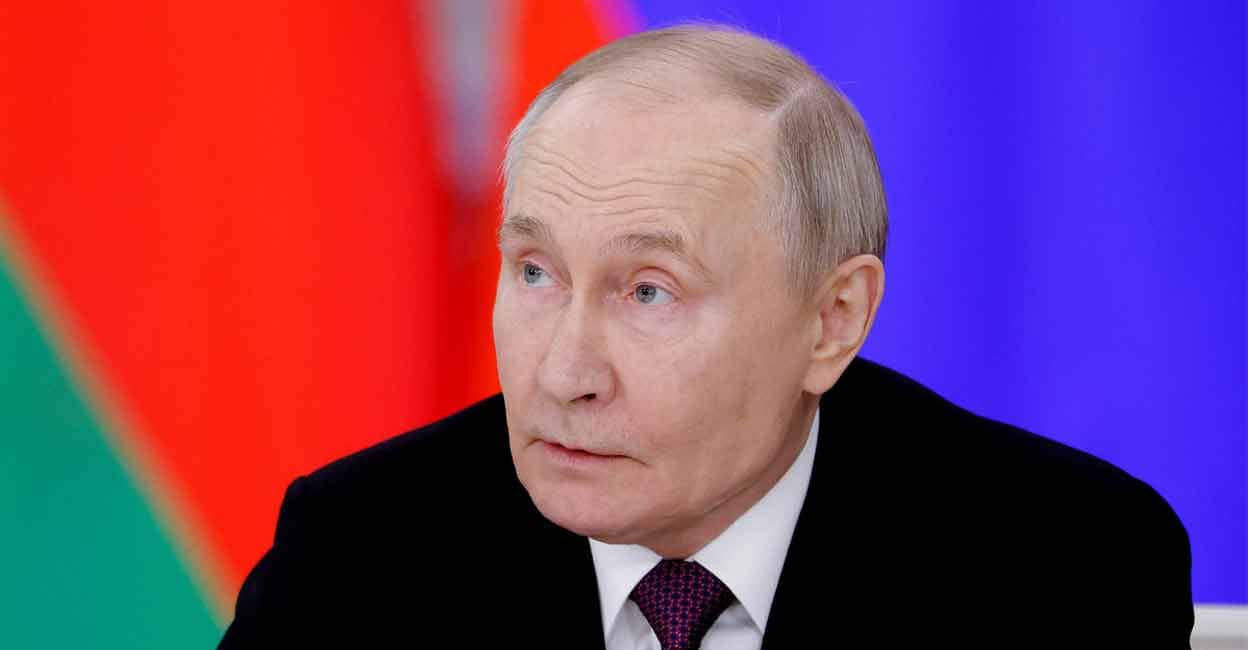
A sudden condition imposed by President Trump regarding normalization with Israel has thrown the multi-billion dollar US-Saudi nuclear agreement into diplomatic limbo.
Key Takeaways
- A 30-year US-Saudi nuclear cooperation deal was recently agreed upon to boost Saudi energy.
- President Trump has added a new condition: Saudi Arabia must normalize relations with Israel first.
- Riyadh maintains that Palestinian statehood is a prerequisite for recognizing Israel.
- Failure of this deal could drive Saudi Arabia toward nuclear partnerships with China or Russia.
The strategic landscape of the Middle East has been jolted following a sudden shift in the negotiations between the United States and Saudi Arabia. While both nations had reached an agreement to establish a civilian nuclear program in the Kingdom, the deal's future is now shrouded in uncertainty following a social media announcement by President Donald Trump.
The proposed deal, intended to last three decades, aims to transfer American technology and expertise to Riyadh. This would allow the Kingdom to diversify its energy mix, fuel its growing data center industry, and preserve its vast oil reserves for export. However, the momentum was halted when Trump demanded that Saudi Arabia first normalize relations with Israel.
Why This Matters
BozokMedia analysis shows that this move places the Saudi leadership in a difficult diplomatic bind. Riyadh has consistently maintained a firm stance: formal recognition of Israel is contingent upon a clear path toward an independent Palestinian state—a condition that the current Israeli government has categorically rejected.
Trump's demand has left the deal in a state of diplomatic suspension, potentially creating friction between Washington and Riyadh.
The technicalities of the deal are also under scrutiny. While discussions included the possibility of US companies building a uranium enrichment facility in Saudi Arabia, Trump's recent comments suggest that such sensitive technology might be off the table. Furthermore, the deal faces hurdles regarding the International Atomic Energy Agency (IAEA) monitoring protocols.
Historical Background
For decades, the US-Saudi relationship has been the cornerstone of Middle Eastern stability, centered on energy security and regional defense. As Saudi Arabia pursues 'Vision 2030' to reduce its dependence on oil, nuclear energy has become a non-negotiable pillar of its economic future, making this diplomatic standoff even more consequential.
Frequently Asked Questions
1. What is the main obstacle to the deal now?
The primary obstacle is President Trump's demand for Saudi-Israeli normalization as a prerequisite for the nuclear pact.
2. Will the US Congress approve this deal?
The deal must undergo a Congressional review, but its progress is now uncertain due to the new diplomatic conditions.