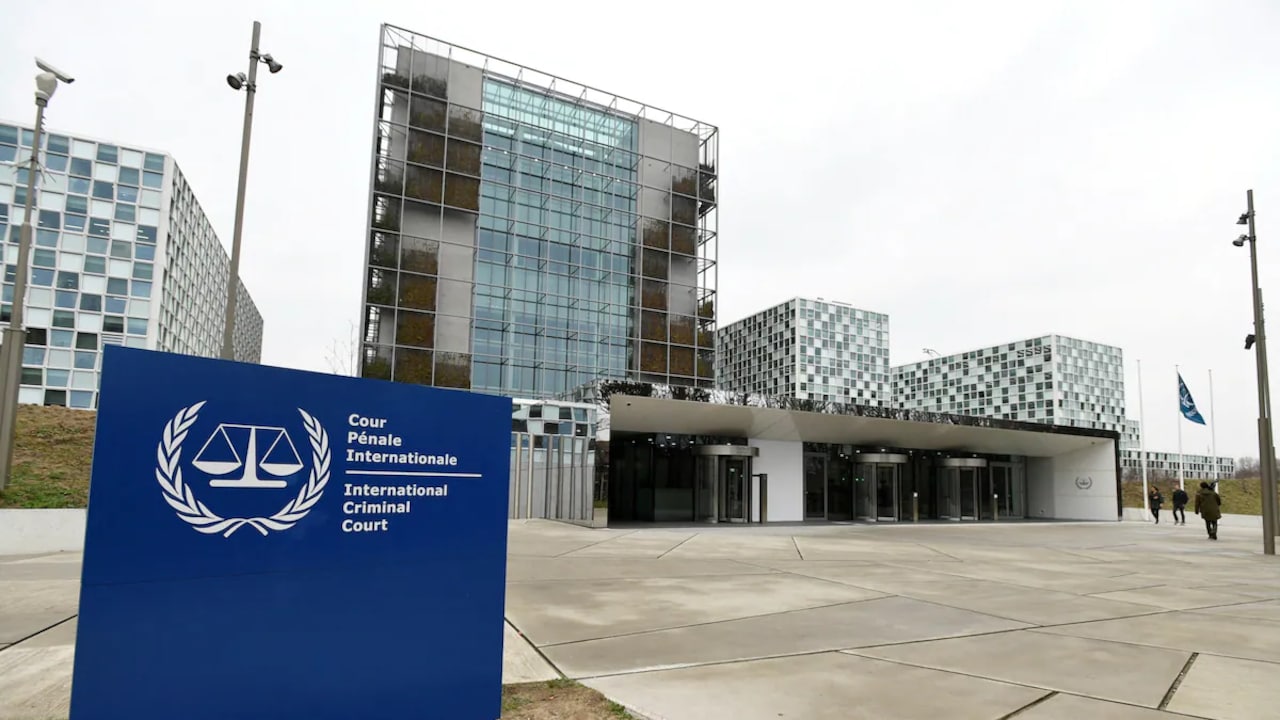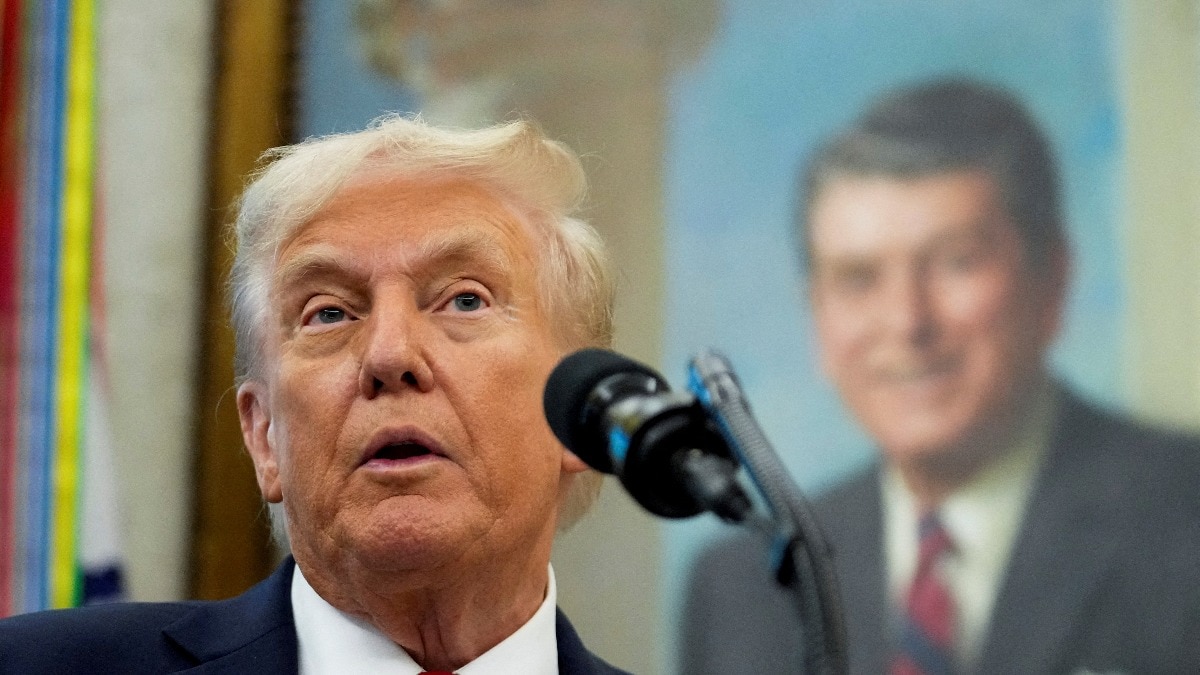
A US federal appeals court has rejected the Trump administration's attempt to reinstate a massive $100,000 fee on new H-1B visas. The court ruled that the charge constituted an unauthorized tax.
Key Takeaways
- The US 1st Circuit Court of Appeals refused to stay a ruling against the $100,000 H-1B fee.
- The court found the administration failed to prove it had the authority to impose such a charge.
- The fee was deemed an unlawful tax not authorized by Congress.
In a significant blow to the Trump administration, the Boston-based 1st US Circuit Court of Appeals on Friday declined to halt a lower court's June 8 ruling. The original ruling struck down a proposed $100,000 fee on new H-1B visas, which was intended for highly skilled foreign workers. The court noted that the government failed to demonstrate a likelihood of success in defending the legality of the charge.
The Legal Battle Over Visa Costs
The legal challenge originated from a lawsuit filed by 20 Democratic state attorneys general. They argued that the massive fee hike, initiated via a presidential proclamation in September, was effectively an unauthorized tax. Under the US Constitution, only Congress has the power to impose taxes, a authority the administration appeared to have bypassed.
Why This Matters
BozokMedia analysis shows that this ruling provides critical stability to the global technology sector. The H-1B program is a lifeline for tech giants who rely on an annual quota of 65,000 visas, plus an additional 20,000 for advanced degree holders. By blocking this fee, the court has prevented a massive spike in operational costs for companies hiring international talent.
The court's decision reinforces the principle that executive proclamations cannot circumvent the legislative authority of Congress regarding taxation.
| Feature | Standard Fee Structure | Trump's Proposed Fee |
|---|---|---|
| Estimated Cost | $2,000 - $5,000 | $100,000 |
| Legal Status | Authorized by Law | Struck Down as Unlawful |
| Economic Impact | Manageable for Tech Firms | Prohibitively Expensive |
Frequently Asked Questions
1. Why did the court strike down the fee?
The court ruled that the fee acted as an unlawful tax that was never authorized by the US Congress.
2. Who does this decision benefit most?
It primarily benefits tech companies and highly skilled foreign professionals, particularly those from countries like India.