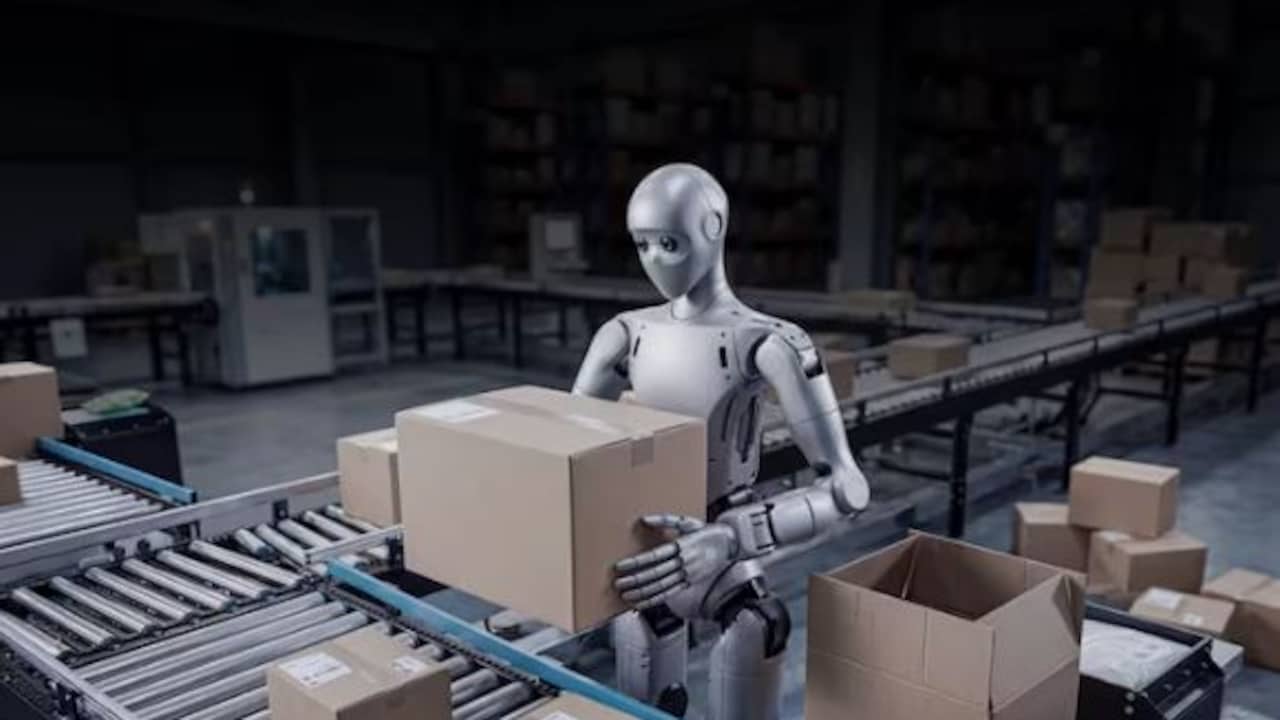
In a significant move to bolster national security, the US has banned the import of foreign-made humanoid robots. The decision is expected to strain relations with Beijing ahead of high-level diplomatic meetings.
Key Takeaways
- The US has prohibited the use and import of foreign-manufactured humanoid robots.
- National security and data privacy are the primary drivers behind this ban.
- The move is seen as a strategic strike against China's growing robotics dominance.
Washington D.C.: The United States government has announced a sweeping ban on foreign-made humanoid robots, citing profound national security risks. This decisive action aims to prevent potential espionage and the unauthorized collection of sensitive data through advanced robotic systems.
Geopolitical Implications with China
This move is widely interpreted as a direct challenge to China, a global leader in robotics manufacturing. The timing is particularly sensitive, as it precedes the scheduled visit of Chinese leader Xi Jinping to meet US President Donald Trump this September. This escalation could significantly complicate the upcoming diplomatic dialogue.
Why This Matters
BozokMedia analysis shows that this ban marks a critical shift in the global tech landscape. As humanoid robots integrate into homes, factories, and critical infrastructure, the control over their hardware and software becomes a matter of sovereign security rather than mere commercial competition.
"The integration of AI-driven humanoids into sensitive sectors creates a new frontier for cyber-espionage that traditional firewalls cannot defend against."
Historically, the US has utilized similar restrictive measures against Chinese telecommunications and semiconductor firms to mitigate risks associated with foreign-controlled technology in critical infrastructure.
Frequently Asked Questions
1. What is the primary reason for the ban?
The US government is concerned that foreign-controlled robots could be used to harvest sensitive data or serve as tools for espionage.
2. How will this affect international trade?
It is expected to disrupt the global robotics supply chain and increase the divide between Western and Chinese technology ecosystems.