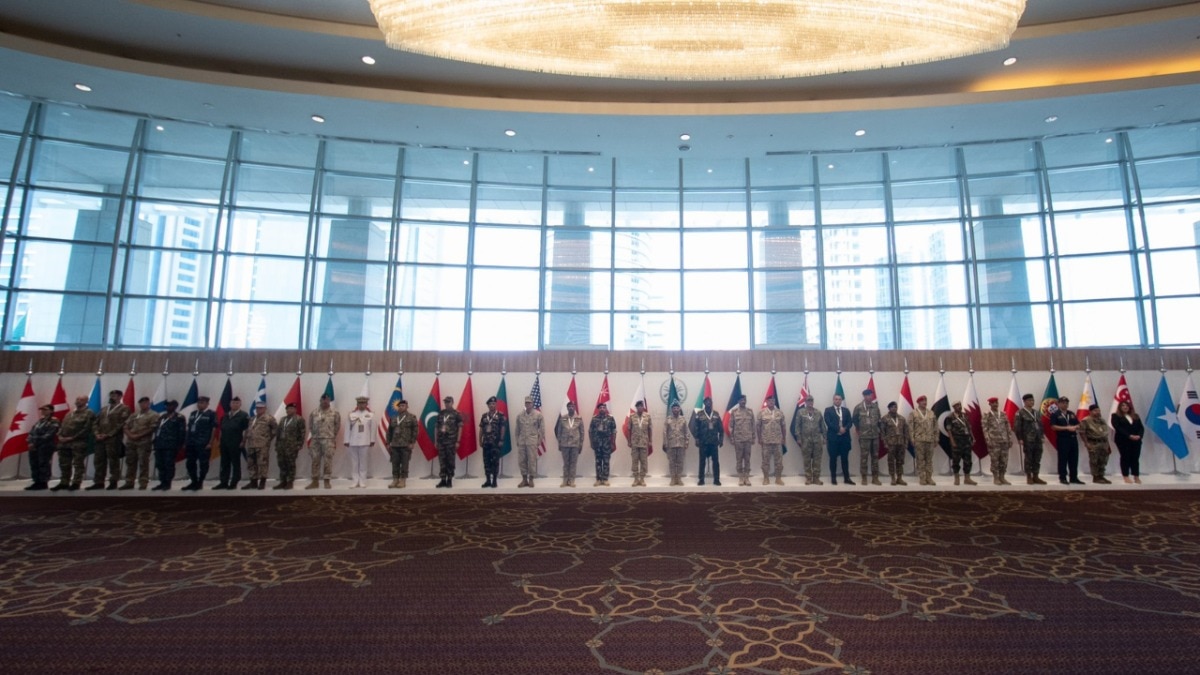
In response to increasing Houthi threats, Saudi Arabia has announced a major multinational maritime defense coalition to protect vital trade and energy routes in the Red Sea.
Key Takeaways
- Saudi Arabia is leading a new maritime defense coalition to safeguard the Red Sea.
- 14 nations, including Turkey, Pakistan, and Egypt, have officially backed the initiative.
- The alliance aims to protect critical shipping lanes in the Bab el-Mandeb Strait.
- The move comes amid escalating Houthi attacks on international commercial vessels.
Saudi Arabia has announced ambitious plans to establish a multinational maritime defense coalition aimed at protecting critical shipping lanes and energy supply routes in the Red Sea. This strategic move comes as Houthi attacks continue to pose a severe threat to one of the world's most vital trade corridors. Led by Riyadh, the proposed alliance seeks to bolster maritime security across the Bab el-Mandeb Strait, the Gulf of Aden, and surrounding waters.
A Massive Coalition: 14 Countries Step Forward
According to the Saudi Ministry of Defense, representatives from 43 countries and the European Union participated in an international summit to discuss the coalition's framework. Riyadh will serve as the founding member and will host the coalition's headquarters. Following the discussions, 14 nations issued a joint statement of support, including Saudi Arabia, Turkey, Pakistan, Egypt, Sudan, Djibouti, Kuwait, Bahrain, Qatar, Jordan, Yemen, Bangladesh, Nigeria, and Somalia. While many nations support the initiative, notably Oman and the UAE were absent from the signatory list.
Why This Matters
BozokMedia analysis shows that the stability of the Red Sea is inextricably linked to global economic health. The Bab el-Mandeb Strait serves as the gateway to the Suez Canal, facilitating approximately 12-15% of global seaborne trade. Any prolonged disruption in this corridor can lead to skyrocketing shipping costs, delayed supply chains, and volatile energy prices worldwide.
Securing the Red Sea is no longer just a regional concern; it is a fundamental necessity for the stability of the global maritime economy.
The escalation in tensions follows recent naval blockades and attacks claimed by Iran-aligned Houthi rebels. In response to these provocations, Saudi Arabia has conducted targeted airstrikes on Houthi military facilities in Yemen's Hodeidah to mitigate threats to international shipping. The geopolitical landscape remains highly volatile, with broader tensions involving the US, Iran, and various regional actors.
Historical Background
The Red Sea has long been a strategic chokepoint for global commerce. For decades, the Bab el-Mandeb Strait has been a focal point of maritime strategy due to its role in connecting the Mediterranean via the Suez Canal to the Indian Ocean. Control and security over these waters have historically determined the flow of oil and goods between Europe, Asia, and Africa.
Frequently Asked Questions
1. What is the primary goal of the Saudi-led coalition?
The primary goal is to safeguard freedom of navigation and protect international trade and energy routes from regional instability and attacks.
2. Which major nations are supporting this initiative?
Key supporters include Saudi Arabia, Turkey, Pakistan, Egypt, and several other nations across Africa and the Middle East.