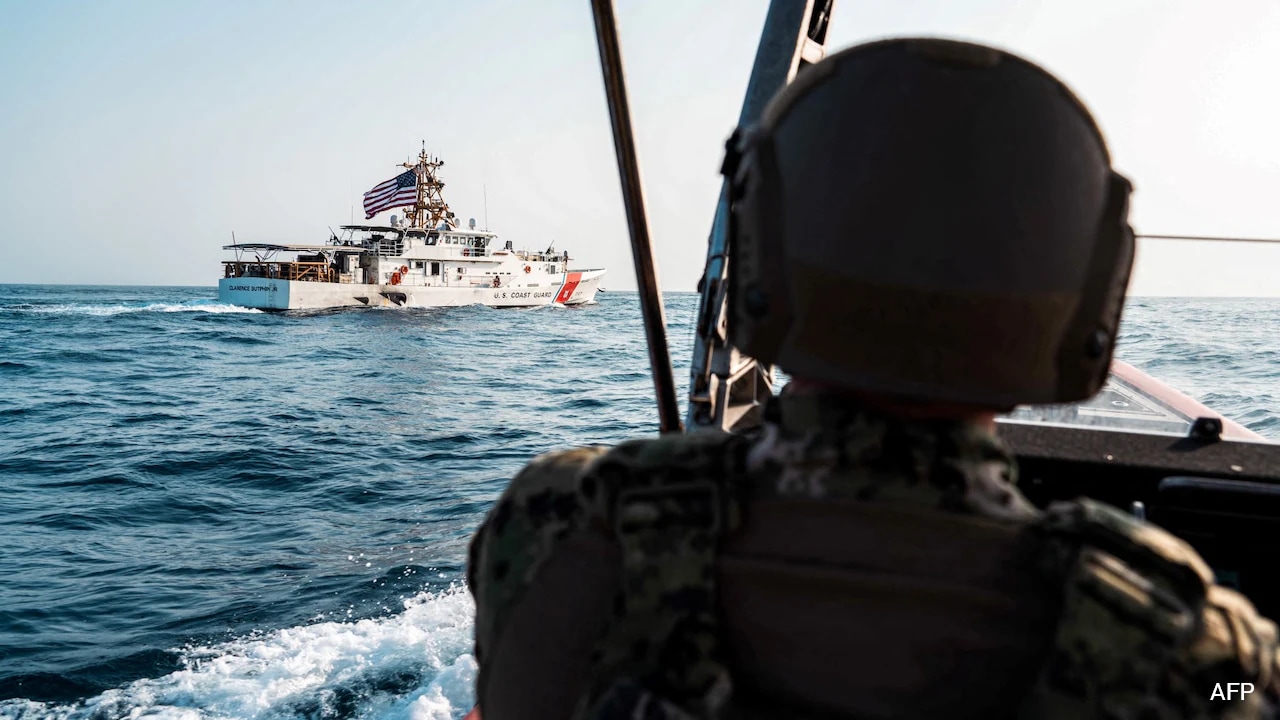
The United States has launched a massive crackdown on Iran's IRGC-linked networks, imposing sanctions on several entities and individuals operating in the strategic Strait of Hormuz.
Key Takeaways
- US imposes sanctions on two Iranian companies and six individuals linked to the IRGC.
- Accusations of illegal extortion and disruption in the Strait of Hormuz.
- Global implications for major players including India, China, and Russia.
In a decisive move to curb Iranian influence, the United States has implemented heavy-duty sanctions against a network closely tied to the Islamic Revolutionary Guard Corps (IRGC). This action targets individuals and entities accused of operating illegal extortion networks within the critical Strait of Hormuz.
Crackdown on the Strait of Hormuz
The US administration alleges that these Iranian entities have been engaging in activities that threaten maritime security and disrupt the flow of international trade. By targeting these specific nodes, Washington aims to dismantle the financial infrastructure that supports the IRGC's regional operations.
Why This Matters
BozokMedia analysis shows that these sanctions carry significant geopolitical weight. As major economies like India, China, and Russia maintain significant maritime and energy interests in the region, the tightening of US sanctions could create complex diplomatic and economic challenges for these nations regarding trade compliance and energy security.
This escalation in economic warfare signals Washington's intent to tighten the noose around Iran's maritime influence.
Historical Background: The Strait of Hormuz has long been a flashpoint for international tension. As a primary artery for global oil transit, any instability or increased regulatory pressure in this waterway directly impacts global energy prices and international shipping stability.
Frequently Asked Questions
1. Who is being targeted by these sanctions?
The sanctions target six individuals and two Iranian companies linked to the IRGC's maritime activities.
2. How does this affect global trade?
It increases the regulatory complexity for shipping companies and may lead to shifts in how energy is traded in the Middle East.