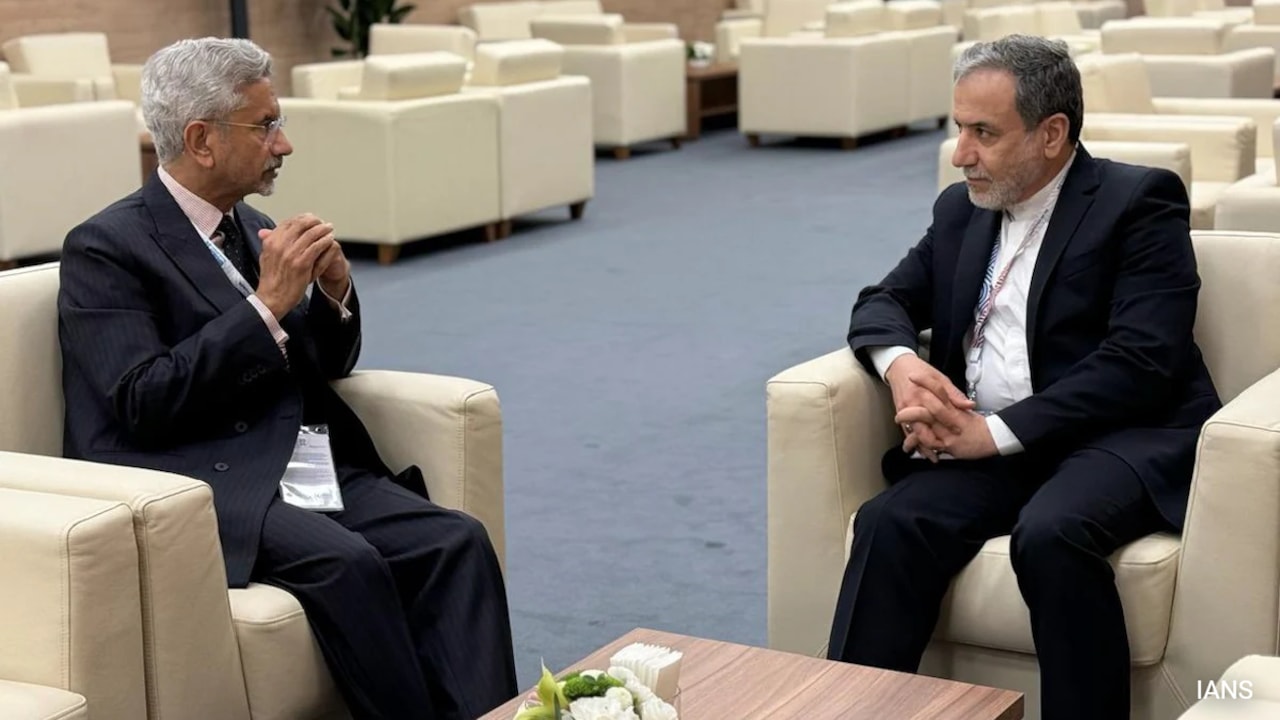
Indian External Affairs Minister S. Jaishankar held a critical phone conversation with Iran's Foreign Minister, emphasizing that attacks on ships and sailors must not occur under any circumstances. The discussion focused on maintaining stability in vital maritime corridors.
Key Takeaways
- EAM S. Jaishankar held a high-level call with Iranian FM Abbas Araghchi.
- India demanded absolute safety for merchant vessels and sailors.
- The conversation focused on preventing escalations in critical maritime routes.
India's External Affairs Minister S. Jaishankar has taken a decisive stand regarding maritime safety during a recent telephonic conversation with Iran's Foreign Minister, Abbas Araghchi. Jaishankar articulated India's position with precision, stating that attacks on ships and sailors must be avoided at all costs to maintain global stability.
India's Firm Stance on Maritime Security
In a move that underscores India's role as a responsible global power, Jaishankar communicated the necessity of protecting international shipping lanes. He emphasized that the safety of sailors and vessels is non-negotiable, especially as geopolitical tensions rise in the Middle East. The Indian minister's message was clear: maritime corridors must remain peaceful and free from targeted aggression.
Why This Matters
BozokMedia analysis shows that the stability of maritime routes in the Middle East is directly linked to global inflation and energy security. With significant trade passing through these waters, any disruption caused by attacks on ships can lead to a domino effect on the world economy. India's proactive diplomacy with Iran aims to mitigate these risks through direct engagement.
'Naval security is the backbone of global commerce; protecting it is a shared responsibility of all regional powers.'
Following the complexities seen in the Ukraine conflict, India has shifted significant diplomatic focus toward the security of the Indian Ocean and surrounding waters. This engagement highlights India's commitment to ensuring that regional conflicts do not spill over into vital international trade routes.
Frequently Asked Questions
1. What was the primary subject of Jaishankar's call to Iran?
The primary subject was ensuring the safety of ships and sailors against attacks in maritime corridors.
2. Why is India concerned about these maritime routes?
India is concerned because these routes are essential for global trade, energy security, and the stability of the international economy.