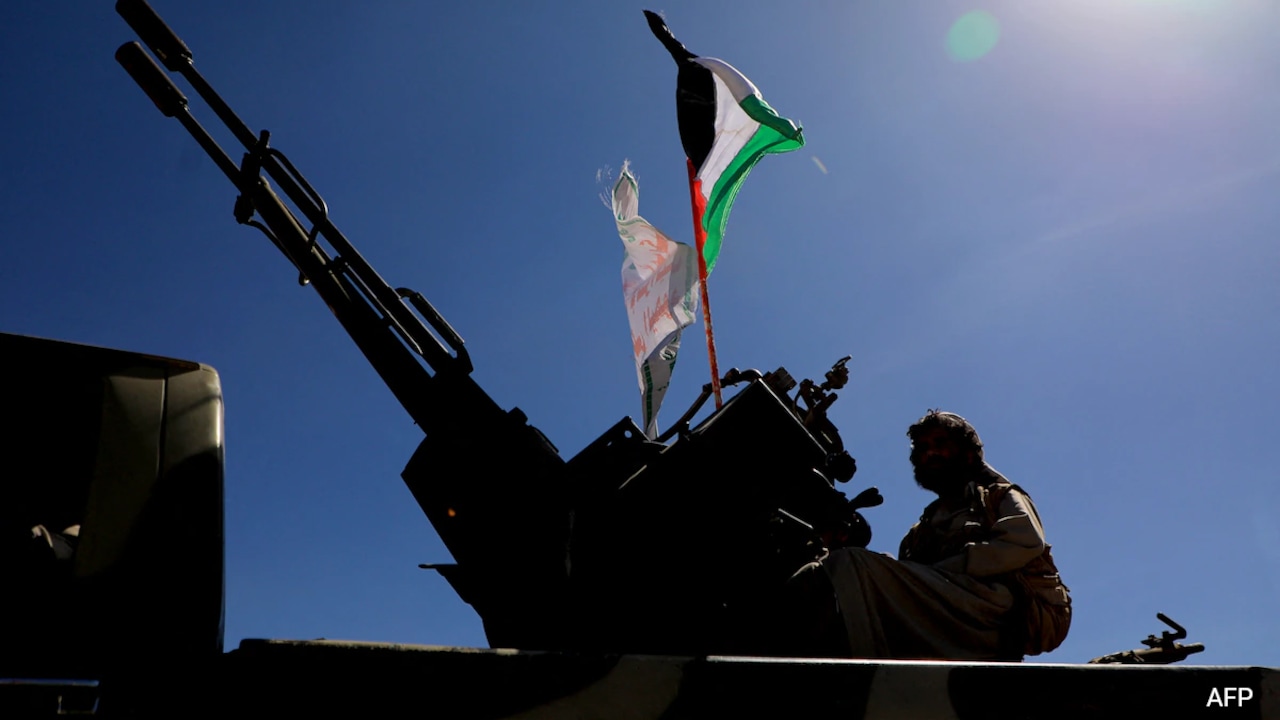
Iran has utilized the ongoing ceasefire to aggressively ramp up its missile and drone production, signaling readiness for renewed conflict with the US. Military officials claim significant advancements in weapon accuracy and domestic manufacturing.
Key Takeaways
- Iran leveraged the ceasefire to repair, upgrade, and manufacture new military systems.
- Drone production has reportedly surged to three times pre-war levels.
- The IRGC claims improved missile accuracy based on combat experience.
- Tehran remains prepared for war if diplomatic negotiations with the US fail.
In a significant strategic move, Iranian military authorities have declared their readiness to resume hostilities with the United States should diplomatic negotiations collapse. Emphasizing their recovery and adaptation, Tehran has made it clear that the recent lull in fighting has been used for intense military buildup.
Army spokesman Mohammad Akraminia stated that Iran made "maximum use" of the memorandum of understanding (MoU) signed in June. During this period, the military focused on inducting new equipment, repairing damaged systems, and accelerating the production of advanced weaponry. Notably, the deployment of new-generation drones has been confirmed, with specific technical details expected to follow.
Why This Matters
BozokMedia analysis shows that Iran is employing a sophisticated 'rearm-during-rest' strategy. By utilizing the ceasefire not for peace, but for industrial scaling, Iran is effectively neutralizing the tactical advantages gained by US and Israeli air strikes, ensuring long-term sustainability in asymmetric warfare.
The rapid scaling of drone and missile production during a ceasefire suggests Iran is preparing for a prolonged high-intensity conflict.
The Islamic Revolutionary Guard Corps (IRGC) has reported similar advancements. Spokesman Hossein Mohebbi noted that missile production increased significantly during the ceasefire, with improved accuracy derived from battlefield data. Acting Defence Minister Majid Ebn-e Reza added that drone production has reached unprecedented levels, specifically three times its pre-war capacity.
Despite thousands of sorties by US and Israeli aircraft, reports suggest Iran has retained a substantial portion of its arsenal, including approximately 70% of its pre-war missile stockpile. This resilience, combined with the development of underground 'missile cities,' presents a formidable challenge to regional stability and US strategic objectives in the Strait of Hormuz.
Frequently Asked Questions
Question 1: How has Iran's military production changed?
Answer: Iran has significantly increased its missile and drone production, with drone output reaching triple its pre-war levels.
Question 2: What is the current diplomatic status?
Answer: While mediators like Oman are involved in talks, tensions remain high as the US demands a deal or "total surrender."