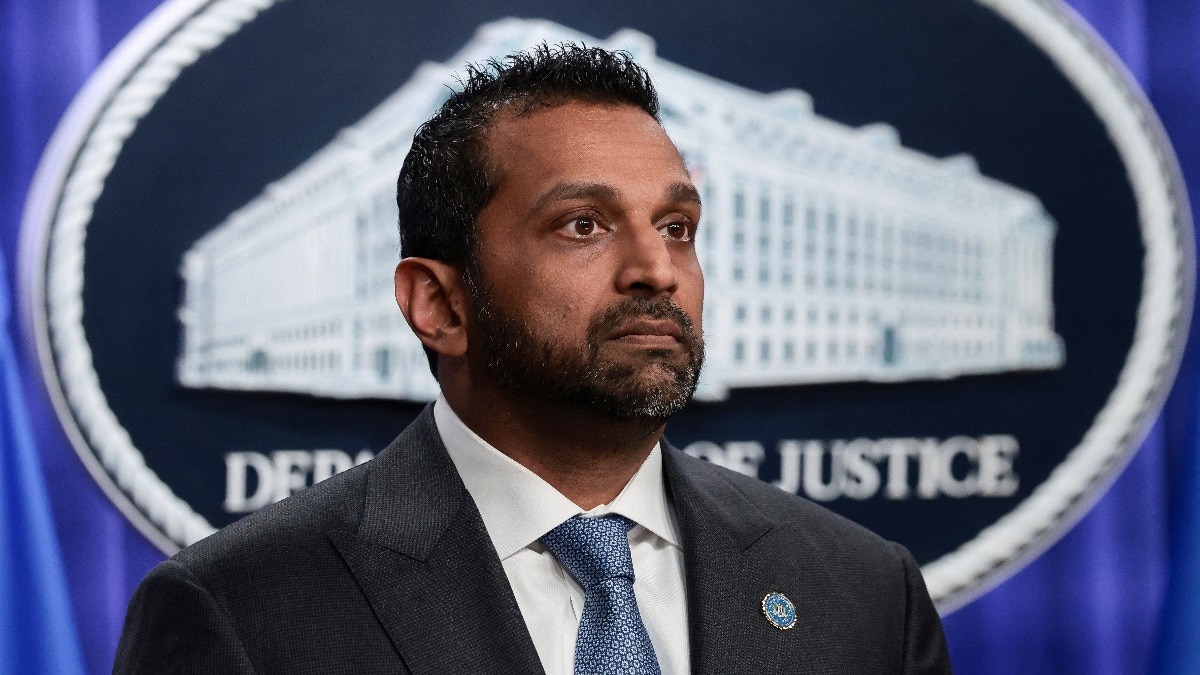
FBI Director Kash Patel has revealed new working groups with China and Russia targeting fentanyl, cyber fraud, and child exploitation. This unprecedented move marks a significant departure from traditional US counterintelligence stances.
Key Takeaways
- The FBI has established four specialized working groups with China and Russia focusing on cyber fraud, child exploitation, narcotics, and fugitives.
- The partnership involves personnel exchanges and joint law enforcement operations, such as 'Operation Sand Dollar'.
- Counterintelligence experts have raised alarms regarding the potential for espionage and intelligence leaks.
In a move that has sent shockwaves through the intelligence community, FBI Director Kash Patel announced that the bureau has forged new law enforcement partnerships with long-standing adversaries, China and Russia. The initiative aims to tackle critical transnational crimes, including fentanyl trafficking, cyber fraud, and child sexual exploitation.
Unlike traditional diplomatic engagement, these partnerships involve direct operational cooperation. Patel noted that Chinese law enforcement officials from the Ministry of Public Security (MPS) have been visiting FBI facilities, and FBI agents are conducting reciprocal visits to China. A notable success of this newfound cooperation was 'Operation Sand Dollar' in Dubai, which resulted in 300 arrests and the seizure of $300 million from a major cyber scam center.
Why This Matters
BozokMedia analysis shows that this strategy represents a pragmatic, albeit controversial, shift in American foreign policy under the Trump administration. By engaging with 'non-traditional partners' on specific, apolitical criminal issues, the FBI seeks to secure 'wins for America' in areas where traditional alliances may lack direct jurisdiction or influence. However, the line between law enforcement cooperation and national security risk remains razor-thin.
"They are both new and dynamic relationships, and we are extremely mindful of their adversarial approach on many matters. If we can go and have wins for America, then we must engage." — Kash Patel
The cooperation is strictly limited to four specific domains: cyber fraud, crimes against children, counter-narcotics, and a fugitive task force. Patel emphasized that these efforts are intended to supplement, not replace, the existing 'Five Eyes' intelligence partnership involving the UK, Canada, Australia, and New Zealand.
Historical Background
For decades, the United States has viewed Russia and China primarily as exporters of crime and state-sponsored espionage threats. The transition from viewing these nations solely as adversaries to potential, limited-scope partners marks one of the most significant shifts in modern law enforcement history.
Frequently Asked Questions
1. Does this partnership compromise US intelligence security?
Critics and former agents argue that it poses a massive risk of infiltration, while Director Patel maintains that the scope is narrow and manageable.
2. What specific crimes are being targeted?
The focus is strictly on cybercrime, fentanyl trafficking, child exploitation, and the apprehension of fugitives.