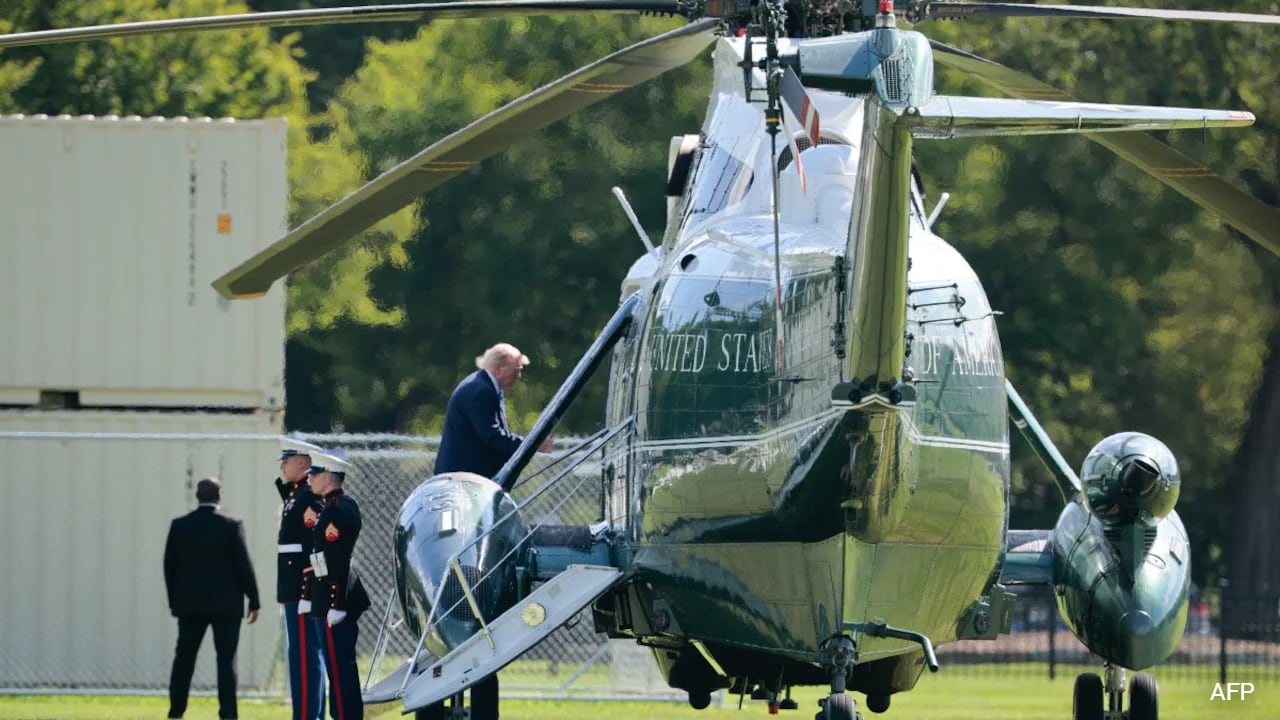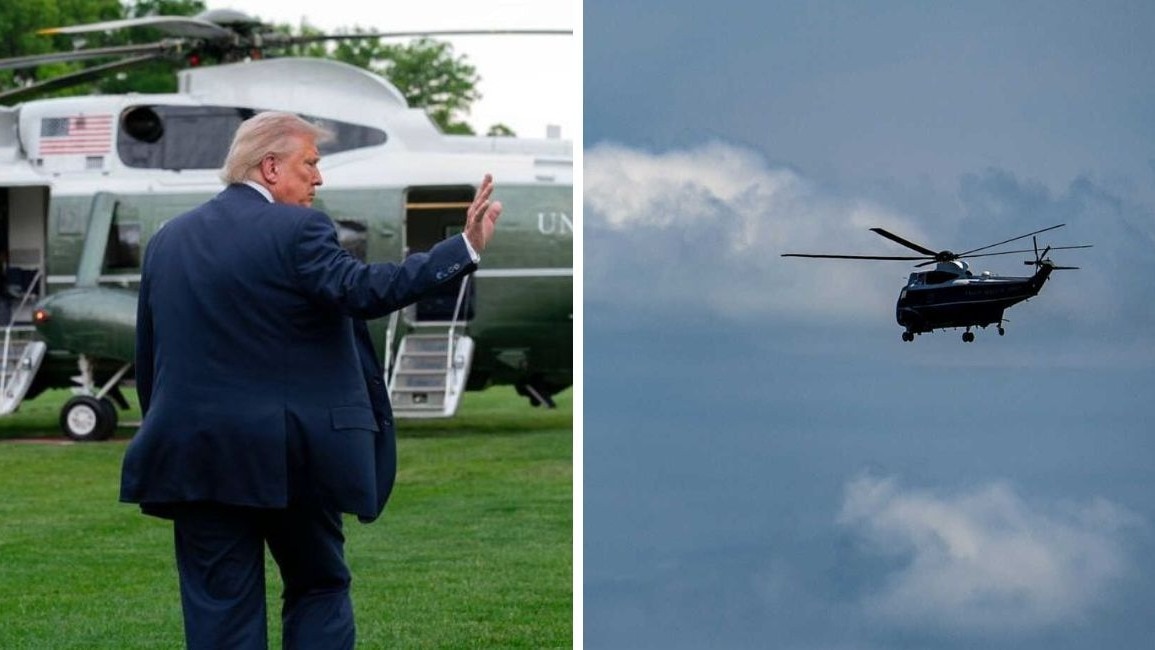
A high-stakes near-miss occurred in Washington D.C. when the Marine One helicopter carrying President Donald Trump breached safety separation distance from an Envoy Air passenger jet. FAA and NTSB have launched an investigation into the communication failure.
Key Takeaways
- Marine One carrying President Trump breached separation distance from a commercial jet near Reagan National Airport.
- A radio communication failure prevented Air Traffic Control from receiving timely warnings.
- Federal agencies FAA and NTSB have initiated a formal investigation.
A major security scare unfolded in the busy Washington airspace on Tuesday when the Marine One helicopter, transporting President Donald Trump, came dangerously close to a commercial passenger aircraft. The incident, described by officials as a 'loss of separation,' occurred near the Ronald Reagan Washington National Airport.
The incident took place around 2:33 PM. As the presidential helicopter departed from the Ellipse near the White House toward Joint Base Andrews, an Envoy Air jet took off from Reagan National Airport just a minute later. The proximity of the two aircraft raised immediate concerns regarding the effectiveness of air traffic management in the capital.
Why This Matters
BozokMedia analysis shows that this incident highlights a critical vulnerability in the coordination between presidential movements and civilian air traffic. Any breakdown in communication during high-profile movements can lead to catastrophic mid-air collisions.
The failure in radio communication between the flight crew and Air Traffic Control represents a significant breach in standard safety protocols.
According to FAA regulations, aircraft in this airspace must maintain a minimum separation of 1.5 miles horizontally and 500 feet vertically. While preliminary reports suggest the aircraft were not on a direct collision course, the safety buffer was significantly compromised. The pilot team reportedly attempted to alert controllers three minutes prior to takeoff, but the message was not successfully transmitted due to radio interference.
Historical Background
This incident is particularly alarming given the history of the area. In January 2025, a similar collision involving a military helicopter and a passenger jet occurred near Reagan National Airport, resulting in 67 fatalities. This recent near-miss brings renewed scrutiny to the safety of the Washington D.C. flight corridors.
Frequently Asked Questions
Q1: Was there any immediate danger to the passengers or the President?
A: No, both aircraft maintained control and reached their destinations safely without any impact.
Q2: What caused the separation breach?
A: Initial findings point toward a failure in radio communication that prevented Air Traffic Control from coordinating the two flights effectively.