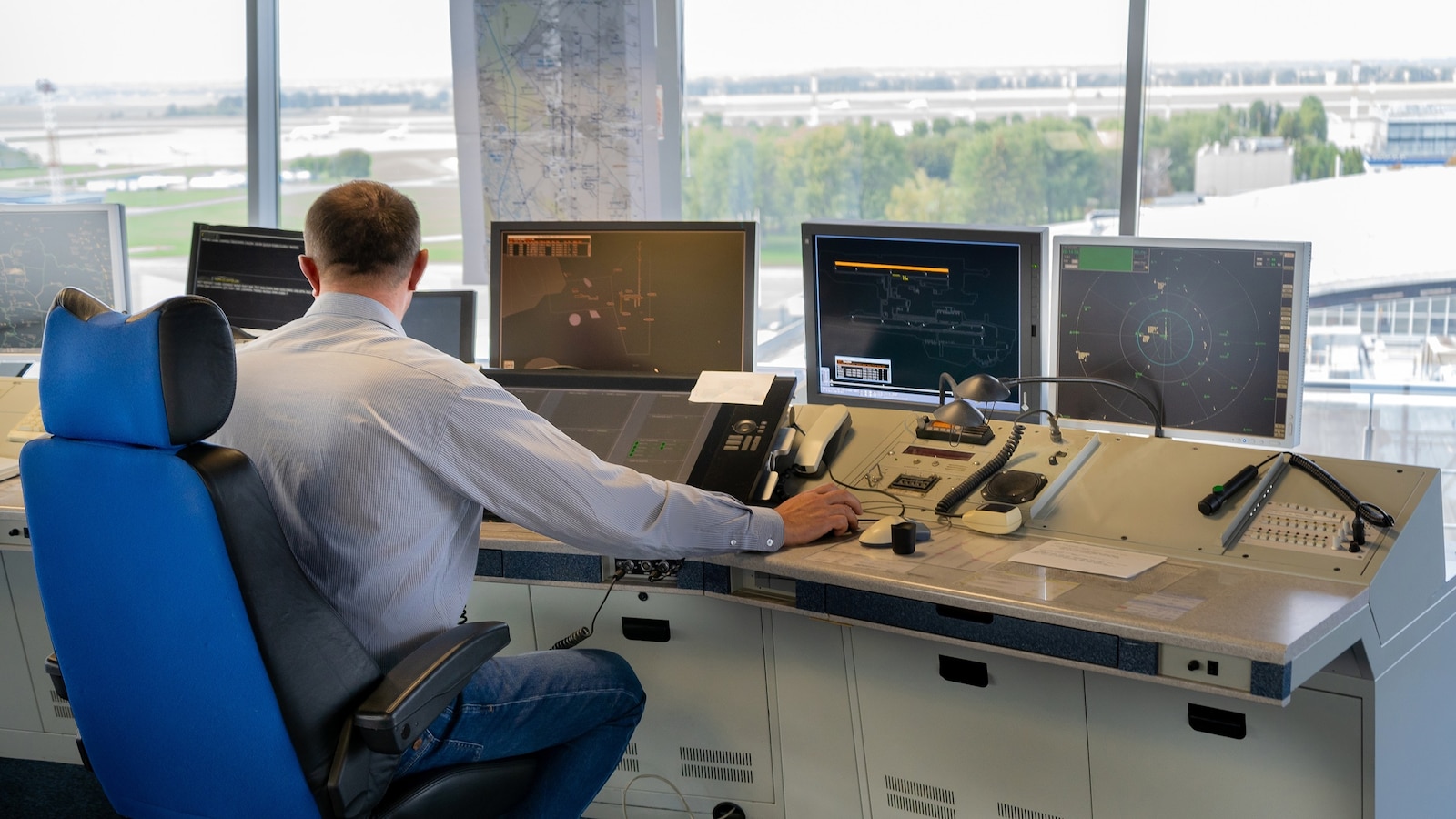
A major technical outage at a Minnesota air traffic control facility has disrupted flights across ten Midwest states, leading to significant delays and diversions.
Key Takeaways
- System outage occurred at a major Minnesota-based ATC facility.
- Flights in 10 Midwest states were diverted or held on the ground.
- FAA is currently investigating the root cause of the failure.
Air travel across the American Midwest faced massive disruptions on Thursday following a temporary system outage at a critical air traffic control facility in Minnesota. According to the Federal Aviation Administration (FAA), planes heading into or departing from Minnesota and nine other Midwest states were either diverted to alternative airports or held on the ground.
Crucially, the disruption did not stem from the Minneapolis–Saint Paul International Airport (MSP) itself, but from a major regional facility responsible for managing airspace across a staggering 330,000 square miles. While the FAA confirmed that radar and ATC systems have since come back online, the ripple effects of the outage continue to cause delays across the region.
Why This Matters
BozokMedia analysis shows that even a temporary lapse in a regional control center can paralyze an entire quadrant of the national airspace. When a facility covering such a massive territory loses radar capabilities, the safety protocols mandate immediate grounding or diversion, leading to a logistical nightmare for airlines and passengers alike.
Technical resilience in regional ATC centers is paramount to preventing cascading delays across the national aviation network.
At MSP, delays averaged approximately 90 minutes during the peak of the outage. Travelers in Michigan, Kansas, Missouri, North and South Dakota, Nebraska, and Wisconsin should also expect continued disruptions throughout the evening.
Historical Background
Air Traffic Control (ATC) infrastructure is the backbone of global aviation. Over the last decade, the FAA has been transitioning from older radar-based systems to more advanced satellite-based surveillance (ADS-B) to increase precision and reliability. Outages like this highlight the ongoing challenges of maintaining legacy systems while integrating new technologies.
Frequently Asked Questions
1. Are flights back to normal now?
While systems are online, significant delays are still being reported at various airports.
2. Which states are most affected?
Minnesota, Michigan, Kansas, Missouri, North Dakota, South Dakota, Nebraska, and Wisconsin are experiencing the most impact.


