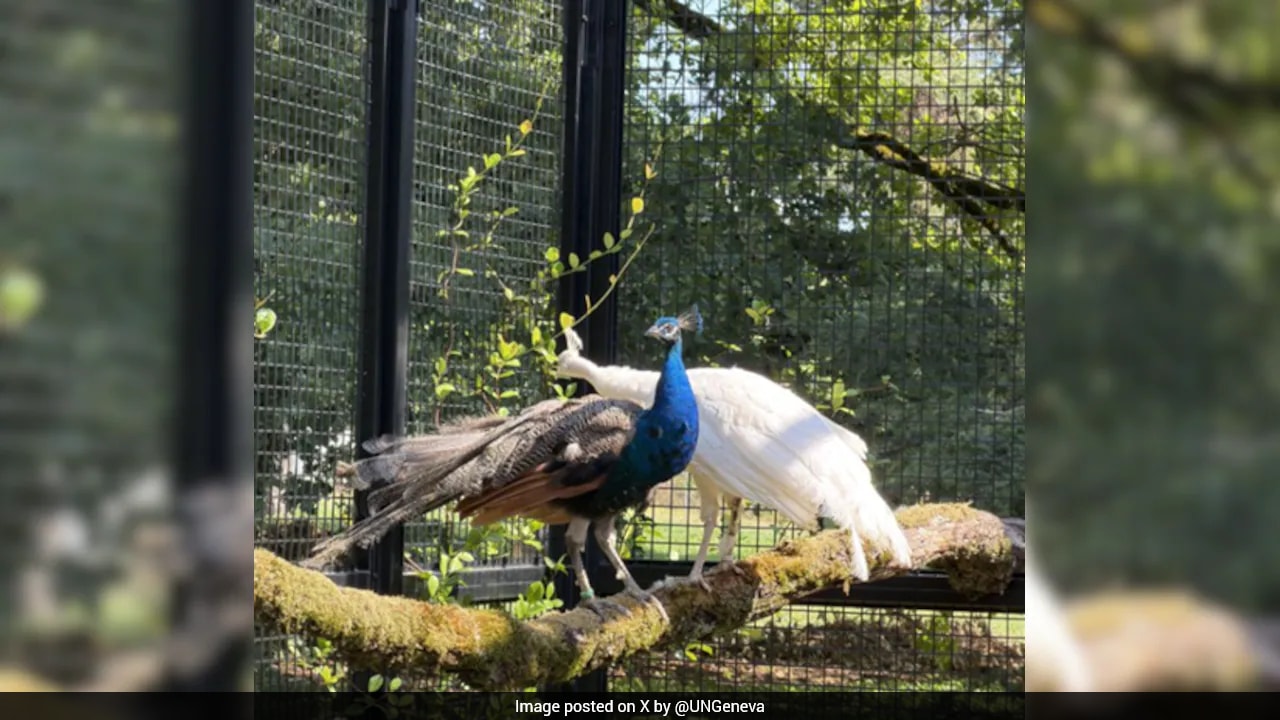
In a significant move blending diplomacy with heritage, India has gifted five peacocks, including a rare white specimen, to the United Nations Office in Geneva.
Key Takeaways
- India donated five peacocks to the UN Office in Geneva.
- The gift features a highly rare white-feathered peacock.
- The gesture revives a diplomatic tradition started by Indira Gandhi in 1981.
India has once again utilized its rich biological and cultural heritage to strengthen international ties. The Indian government has officially presented five peacocks to the United Nations (UN) Office at Geneva. Among these, the inclusion of a rare white peacock has added a layer of extraordinary significance to this diplomatic gesture.
Reviving a Historic Legacy
This move is more than just a symbolic gesture; it is a revival of a deep-rooted tradition. The practice dates back to 1981, when the then Prime Minister Indira Gandhi made a similar donation to the same office. By repeating this act, India is reconnecting with a historical moment of cultural diplomacy.
Why This Matters
BozokMedia analysis shows that such gestures are vital components of 'Soft Power' diplomacy. By sharing national symbols like the peacock, India reinforces its identity as a nation that values both its natural biodiversity and its historical continuity on the global stage.
Cultural diplomacy through wildlife serves as a unique bridge between nations, fostering respect and shared environmental values.
The presence of the rare white peacock also highlights the importance of biodiversity conservation, drawing international attention to the precious natural assets that India protects.
Frequently Asked Questions
1. Where was the gift presented?
The peacocks were gifted to the United Nations Office located in Geneva.
2. What makes this gift special?
The gift is special because it includes a rare white peacock and revives a tradition from 1981.