India has officially launched its bid for a non-permanent seat on the UN Security Council for the 2028-29 term. Facing Tajikistan, India must navigate a shifting global diplomatic landscape to secure its 9th term.
Key Takeaways
- India is contesting against Tajikistan for a seat in the Asian group for the 2028-29 term.
- The election is scheduled to take place via secret ballot in June 2027.
- Recent upsets, such as Germany's loss, highlight the unpredictability of UN elections.
- Strategic diplomacy and leveraging G-20 status are crucial for India's success.
India has formally initiated its campaign to serve a two-year term on the United Nations Security Council (UNSC) for 2028-29. If successful, this will mark India's 9th tenure on the Council. The election, set for June 2027, sees India competing against Tajikistan for the single available seat representing the Asian regional group.
Understanding the UNSC Dynamics
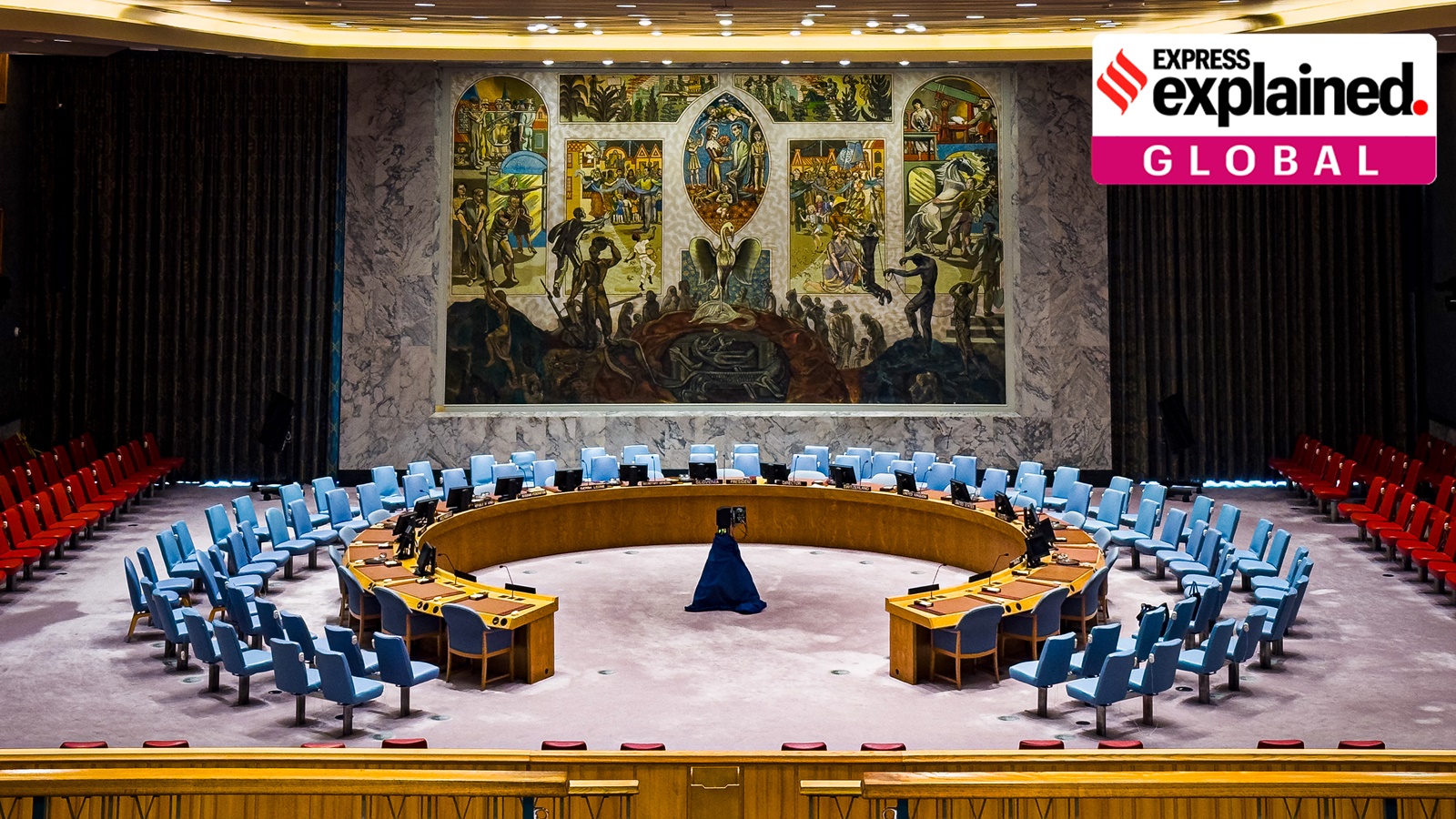
The UN is divided into five regional groups, including Asia, Africa, and Latin America. While the five permanent members (P5) hold veto power, the 10 non-permanent members are elected by the General Assembly to ensure diverse global representation. For India, securing this seat is a vital step in reinforcing its status as a leading global power.
Why This Matters
BozokMedia analysis shows that the landscape of UN elections is becoming increasingly volatile. Recent trends indicate that smaller nations and the 'Global South' are exerting more influence, sometimes to the detriment of traditional heavyweights. This was evident when Germany, a major economic power, was unexpectedly defeated in a recent contest. For India, this means that global standing alone is not enough; a robust, targeted diplomatic campaign is mandatory to prevent similar upsets.
While power often resides with the mighty, de jure global legitimacy requires the framework of the United Nations.
History provides a blueprint for success. In 2010, India faced a similar competitive environment with Kazakhstan. By leveraging strong bilateral ties and repositioning its candidacy, India secured a massive 187 votes. This demonstrated not just a win, but a clear global mandate for India's permanent membership aspirations.
Comparison of UNSC Membership Types
| Feature | Permanent Members (P5) | Non-Permanent Members (India's Bid) |
|---|---|---|
| Term Duration | Indefinite | 2 Years |
| Veto Power | Yes | No |
| Selection Method | Established/Historical | UN General Assembly Election |
Frequently Asked Questions
1. When will the UNSC election for the 2028-29 term take place?
The election is scheduled to be held in June 2027.
2. Who is India's main competitor for the Asian seat?
India is competing against Tajikistan for the seat in the Asian group.