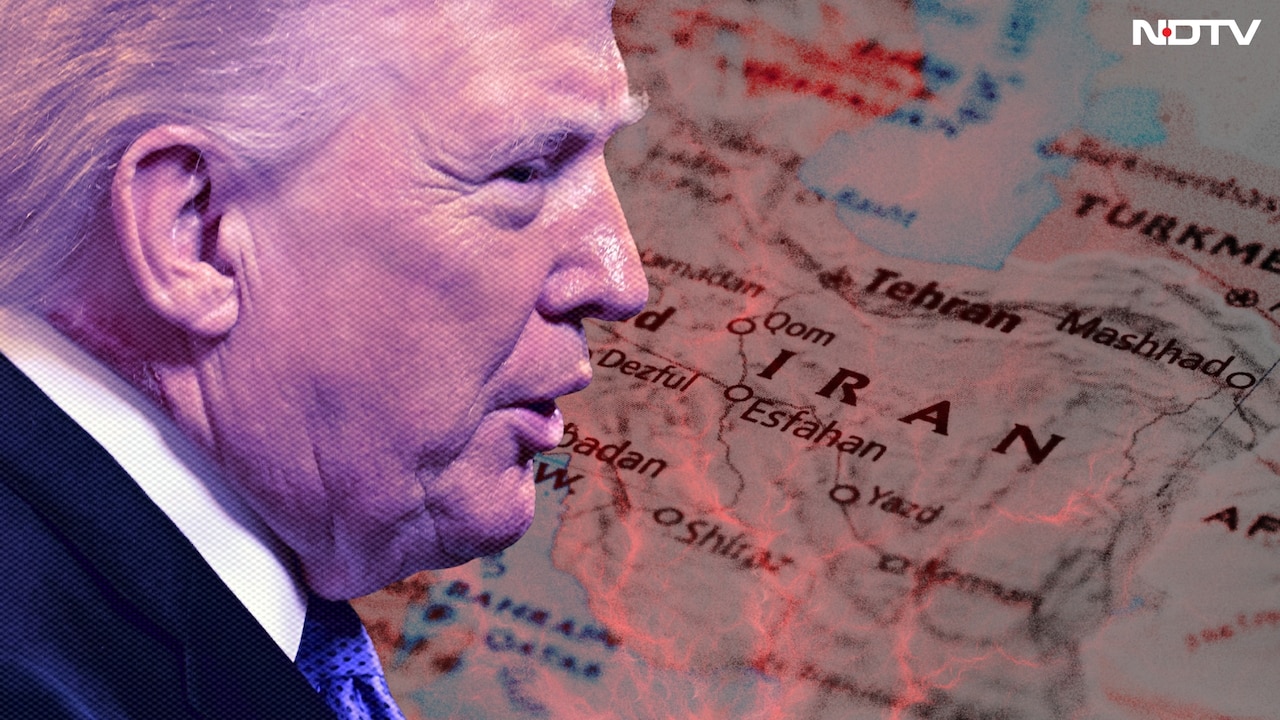
U.S. President Donald Trump declared the cease‑fire with Iran "over" while Iran held a multi‑day state funeral for Ayatollah Khamenei. The episode highlights the precarious state of the bilateral nuclear negotiations.
Following a series of diplomatic sessions in Versailles, the trajectory of the Iran‑U.S. nuclear pact entered a historic turning point. The 2015 Joint Comprehensive Plan of Action (JCPOA) had lifted sanctions on Iran, but President Trump’s unilateral withdrawal in 2018 shattered the agreement and reignited regional tensions, prompting a fresh round of negotiations.
Renewed Talks in Versailles
In mid‑2020, the European Union, Iran and the United States reconvened in the French city of Versailles. The talks aimed to secure a temporary cease‑fire that would curtail Iran’s enrichment activities in exchange for easing economic sanctions. Yet, deep‑seated mistrust on both sides cast doubt on the durability of any provisional deal.
Impact of Ayatollah Khamenei's State Funeral
Concurrently, Iran observed an extended state funeral for Ayatollah Ali Khamenei, a ceremony that amplified domestic solidarity but also signaled Tehran’s intent to separate internal affairs from international bargaining. During this period, President Trump publicly asserted that the "cease‑fire is effectively over" and that prospects for reviving the agreement were slim.
Future Prospects
The span from the Versailles signing to Trump’s declaration underscores the fragility of the arrangement. Analysts warn that without a rebuilding of trust, any long‑term accord is likely to falter. Iran continues to feel the squeeze of sanctions, while U.S. policy remains in flux, leaving both parties at a strategic crossroads.
Conclusion
Given the delicate balance of security interests, policymakers must exercise strategic patience and pursue transparent dialogue. Should Iran and the United States prioritize mutual security concerns, the deal could be resurrected; otherwise, the geopolitical landscape risks further destabilisation.
