A 73‑year‑old Indian citizen, Unnikrishnan S., was among those killed in the violent riot at Negombo Prison. The Indian High Commission has yet to issue a formal statement, though a note verbale has been sent to Sri Lanka’s Foreign Ministry. Several Indian inmates were transferred to other facilities following the unrest.
The riot that erupted on Sunday, July 5, 2026, at Negombo Prison – located about 35 km north of Colombo – has become the deadliest episode of prison violence in Sri Lanka’s modern history. Official sources confirm that the death toll has climbed to 28, including 73‑year‑old Indian national Unnikrishnan S., with more than 100 inmates injured and one prison officer succumbing to injuries on Wednesday.
Chronology of the Unrest
The disturbance began when rival inmate gangs clashed after some prisoners tipped off authorities about a drug operation inside the facility. The ensuing chaos quickly spiraled out of control, overwhelming prison staff and prompting a lethal confrontation that left 27 inmates and one officer dead on the first day. A second officer later died from sustained injuries, raising the fatality count to 28.
Indian Diplomatic Response
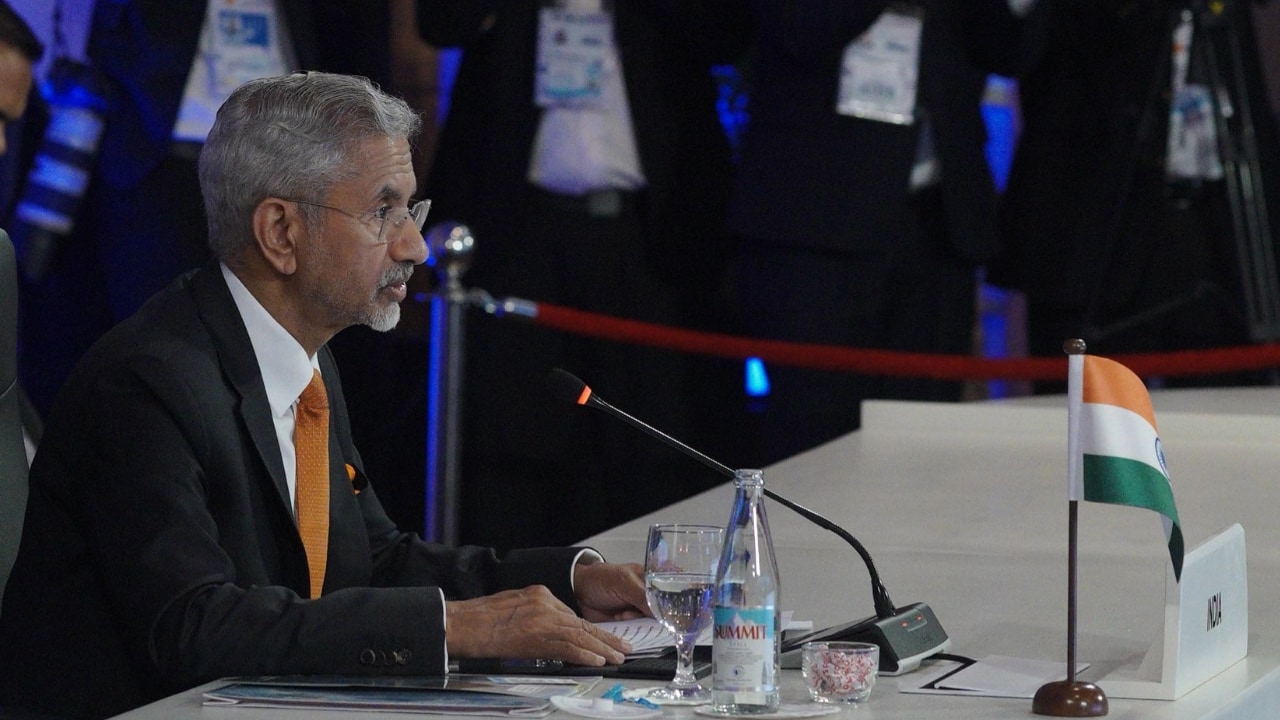
While the Indian High Commission in Colombo has not released an official press statement, officials confirmed that a note verbale detailing the incident was dispatched to Sri Lanka’s Ministry of Foreign Affairs. The communication seeks clarification on the charges faced by the deceased and urges swift relocation of Indian nationals still housed at Negombo.
Prisoner Transfers and Human‑Rights Concerns
In the wake of the riot, roughly 1,200 prisoners from Negombo were moved to other prisons across the island for their safety. The Sri Lanka Human Rights Commission reported that some transferred inmates experienced torture and mistreatment at facilities in Angunakolapelessa, Boosa, Batticaloa, Dumbara, Jaffna, and Welikada. Activist groups have raised alarms over “severe physical torture” and called for independent investigations.
Historical Context and Systemic Issues
Sri Lanka’s prison system has long struggled with chronic overcrowding and inadequate resources. The last lethal riot occurred in 2020 at Mahara Prison, claiming 11 lives, while a 2012 clash at Welikada Prison resulted in 27 inmate deaths after police opened fire. The Bar Association of Sri Lanka warned that the recent tragedy reflects deep‑seated structural deficiencies rather than an isolated incident, emphasizing that incarceration does not strip individuals of fundamental rights or dignity.
Implications for Bilateral Relations
The incident adds a diplomatic dimension to India‑Sri Lanka ties, prompting both governments to reassess security protocols for foreign nationals in correctional facilities. Justice Minister Harshana Nanayakkara, addressing parliament, stressed the need for collective humanitarian effort to prevent such tragedies. As investigations continue, the episode underscores the urgency of reforms aimed at safeguarding inmate welfare and upholding international human‑rights standards.