After more than 40 days of US‑Israel strikes, Iran projects confidence, economic revival and national pride. This resurgence is reshaping the geopolitical landscape of West Asia.
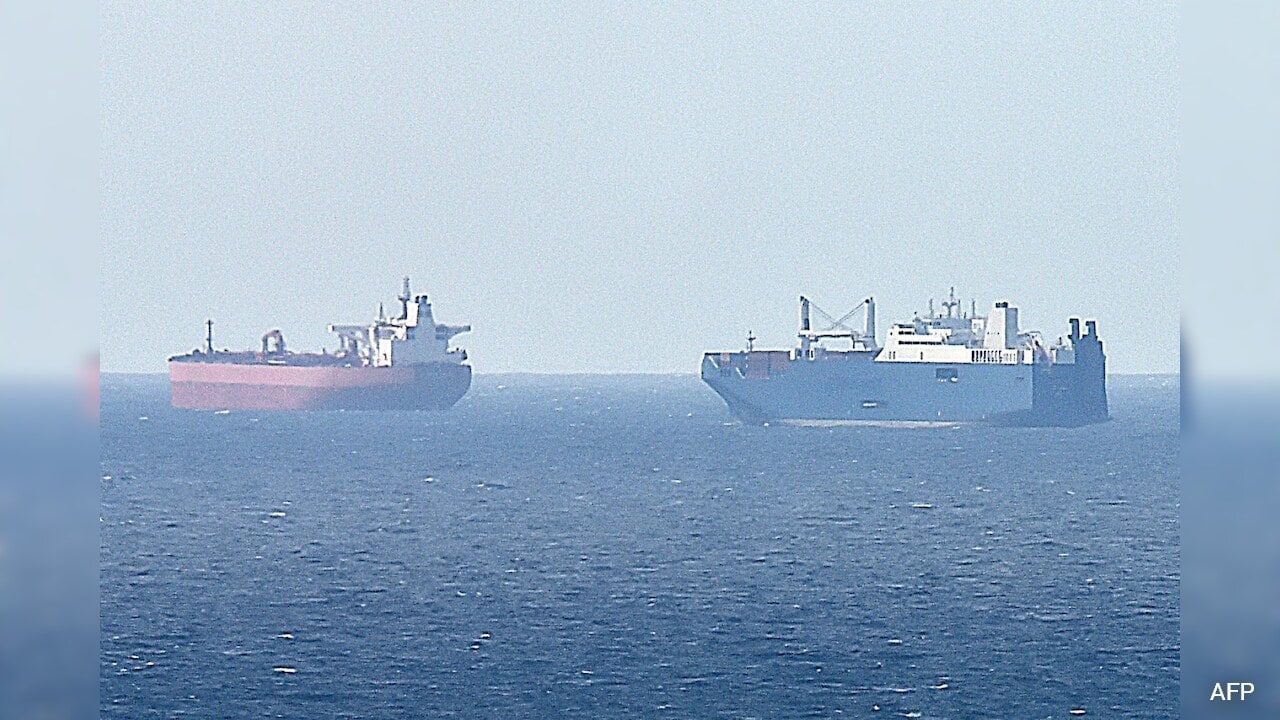
The United States and Israel resumed hostilities on July 8 over the safe passage of commercial vessels through the Strait of Hormuz, yet the flare‑up could not dim Iran's emerging strategic confidence. Millions gathered for Supreme Leader Ali Khamenei’s funeral, joined by delegations from Russia, China, Saudi Arabia, Qatar, Turkey, Egypt, Iraq, Pakistan, Armenia and several other nations, while Western powers were conspicuously absent.
Historical Context
The 1979 Iranian Revolution toppled the Shah’s monarchy and birthed the Islamic Republic, driven by a popular movement that fused national pride, religious identity and a promise of social justice. Ayatollah Khomeini’s return galvanized the populace, but subsequent crises – the hostage episode, the eight‑year Iran‑Iraq war, and relentless sanctions – kept the economy under strain.
Current Landscape
Today, despite sustained US‑Israeli bombardments, Iran’s Islamic Revolutionary Guard Corps (IRGC) retains full control, and the regime appears more resilient than before. The 14‑point memorandum with Washington omits any reference to Iran’s nuclear or ballistic‑missile programs, granting Tehran a strategic breathing space. Sanctions relief, renewed crude‑oil and natural‑gas exports, and the prospect of monetising the Hormuz Strait promise a significant fiscal windfall.
Implications for the Region
Iran’s revival challenges the security architecture that emerged after the 1979 revolution, when Gulf states formed the GCC and invited a massive US military presence as a counterweight. With Iran now leveraging energy revenues and a robust naval posture, the balance of power in the Gulf could tilt, prompting a reassessment of alliances and potentially unsettling global oil markets.
Conclusion
What began as a wartime crisis has morphed into a broader national rebirth. Iran is not merely surviving; it is projecting a narrative of strength, self‑reliance and renewed regional ambition. Ignoring this trajectory would be a strategic miscalculation for any policy‑maker watching West Asia’s evolving dynamics.