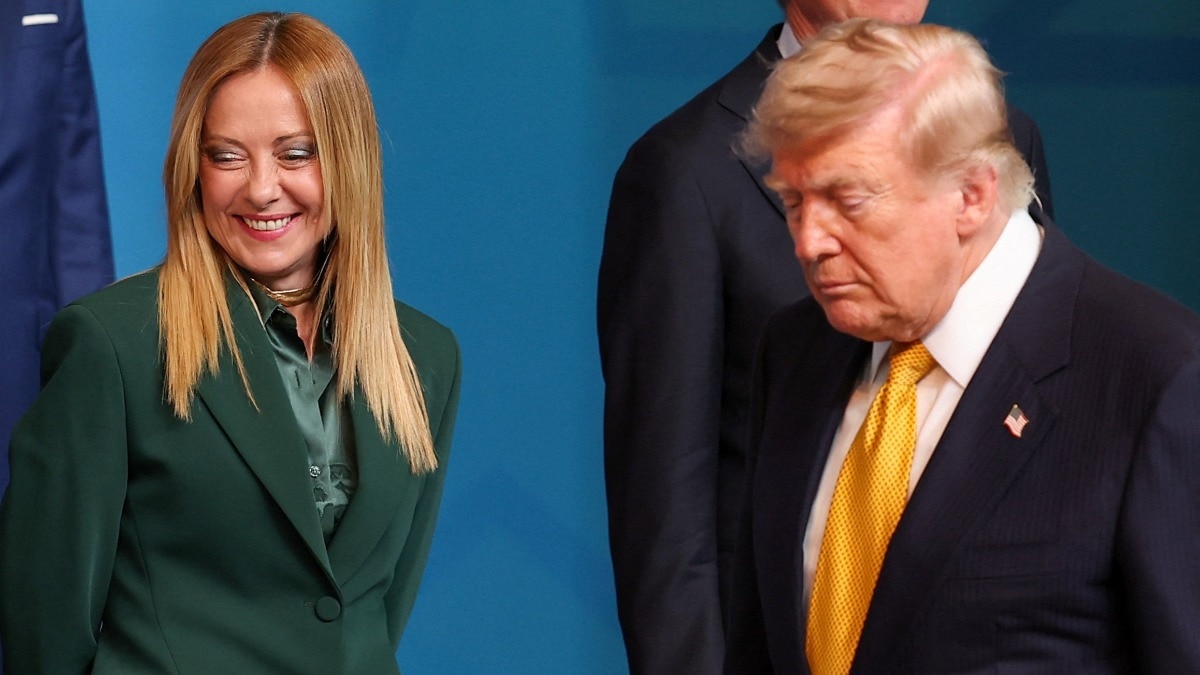
Italian Prime Minister Giorgia Meloni reaffirmed that she regrets nothing about her attempts to forge a close relationship with U.S. President Donald Trump. Despite a frosty atmosphere at the NATO summit, she emphasized that her stance is driven by Western unity, not personal politics.
Italian Prime Minister Giorgia Meloni told reporters after the NATO summit in Ankara that she bears "no regrets" for her diplomatic overtures toward U.S. President Donald Trump. The comment came amid a series of public spats that have widened the gap between Rome and Washington.
Background
Meloni was once hailed as Trump’s most reliable European ally. In 2021 she became the only European head of government to attend his inauguration, and she frequently described herself as a bridge between Washington and European capitals. The partnership was reflected in coordinated policies on defense spending, energy security, and migration management.
First Cracks
The alliance began to fray when Meloni publicly rebuked Trump for his harsh criticism of Pope Francis after the pontiff condemned the war in Iran. Tensions escalated further when Italy denied U.S. military aircraft using the Sigonella base in Sicily for Middle‑East operations. Trump responded by accusing Meloni of “failing to back the United States” while still calling her “a nice person.”
Escalation at the G7 and NATO
During the G7 summit in France, Trump alleged that Meloni had “begged” him for a photograph – a claim she dismissed as “completely made up.” The animosity continued at the NATO summit, where both leaders avoided each other in group photos and kept a noticeable distance during the leaders’ dinner. The visual chill starkly contrasted with the warm exchanges that characterized their relationship just a year earlier.
Looking Ahead
Meloni stressed, “I made a political investment out of conviction in the unity of the West; I championed it across the board.” She added that despite recent disagreements, there remain “affinities on some policy issues, from immigration to woke culture.” Analysts suggest that while personal rapport may be strained, the underlying strategic interests of Italy and the United States – especially within NATO – remain robust, leaving room for renewed cooperation.
