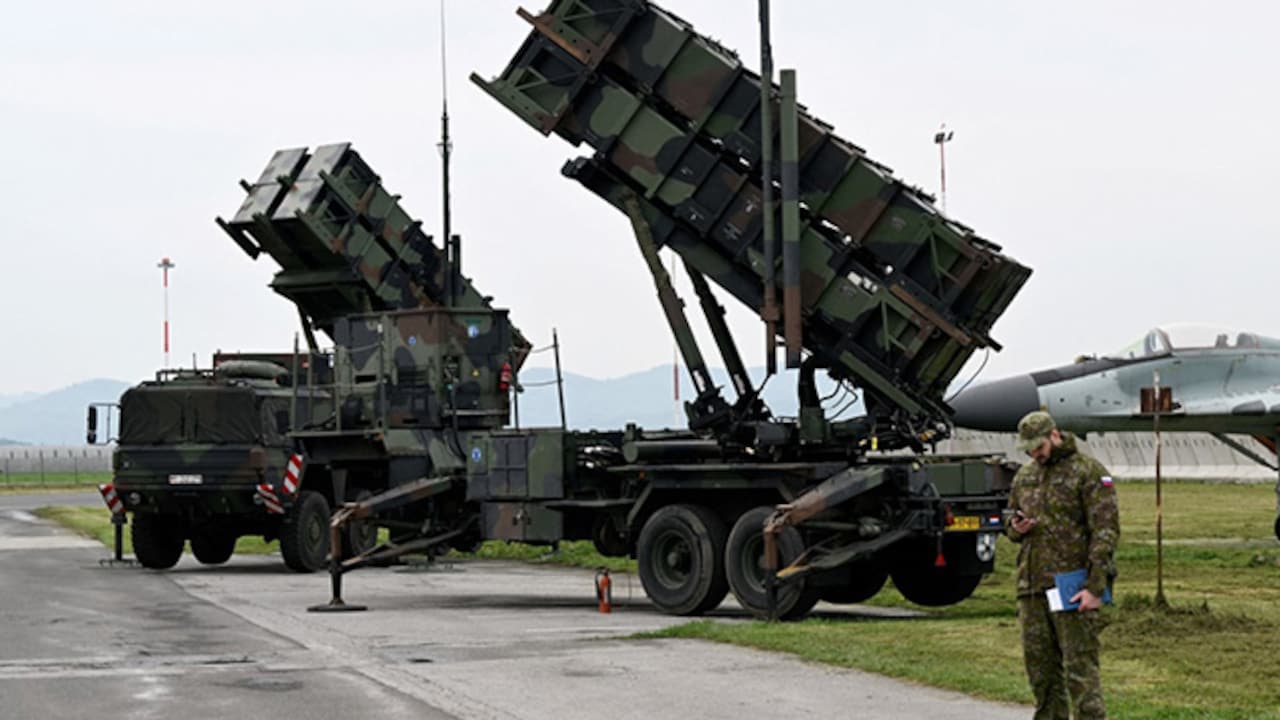
President Donald Trump declared that the United States will allow Ukraine to manufacture its own Patriot air‑defence missiles, bolstering Kyiv’s ability to strike deep into Russian territory. The move aims to offset dwindling interceptor supplies and reinforce Ukraine’s aerial shield.
The United States has just unveiled a policy shift in which President Donald Trump affirmed that Washington will grant Ukraine permission to produce copies of the Patriot air‑defence missile system. The decision is intended to strengthen Kyiv’s air‑defence posture as Ukrainian forces continue to launch strikes deep inside Russian‑held areas, a campaign that has intensified over the past months.
Background
The Patriot system, developed by Raytheon, remains the cornerstone of European air‑defence architecture. Since 2022, the United States has supplied Ukraine with a limited number of Patriot interceptors, but the high‑rate consumption of these missiles against Russian ballistic and cruise attacks has left Kyiv scrambling for replacements. By allowing domestic production, the U.S. hopes to remove the bottleneck and give Ukraine a sustainable source of high‑performance interceptors.
Strategic Implications
If Ukraine successfully establishes a production line for Patriot missiles, its ability to neutralise Russian missile threats will increase dramatically. Enhanced interception capacity would enable Kyiv to conduct more aggressive offensive operations, targeting Russian logistics and command‑and‑control nodes with greater confidence. Moreover, the shift reduces Ukraine’s dependence on American supply chains, potentially freeing up U.S. resources for other theaters.
Challenges and Risks
Transferring Patriot technology is far from trivial. The system integrates sophisticated radar, guidance, and software components that are tightly guarded for security reasons. Any breach or unauthorized duplication could destabilise the global market for high‑end air‑defence systems. Moscow has already condemned the move as "illegal military assistance," warning of escalatory retaliation that could further strain diplomatic ties.
International Reactions
NATO allies have generally welcomed the initiative, viewing it as a logical extension of the alliance’s commitment to Ukrainian sovereignty. Conversely, non‑NATO states such as China and Iran have voiced concerns over the proliferation of advanced missile technology. The European Union has highlighted that a stronger Ukrainian defence contributes to collective European security, while the United Nations is expected to discuss the broader implications at its next Security Council session.
Overall, Trump’s announcement grants Ukraine a pathway to greater self‑sufficiency in air defence, yet it also introduces new complexities into the already volatile security landscape of Eastern Europe.