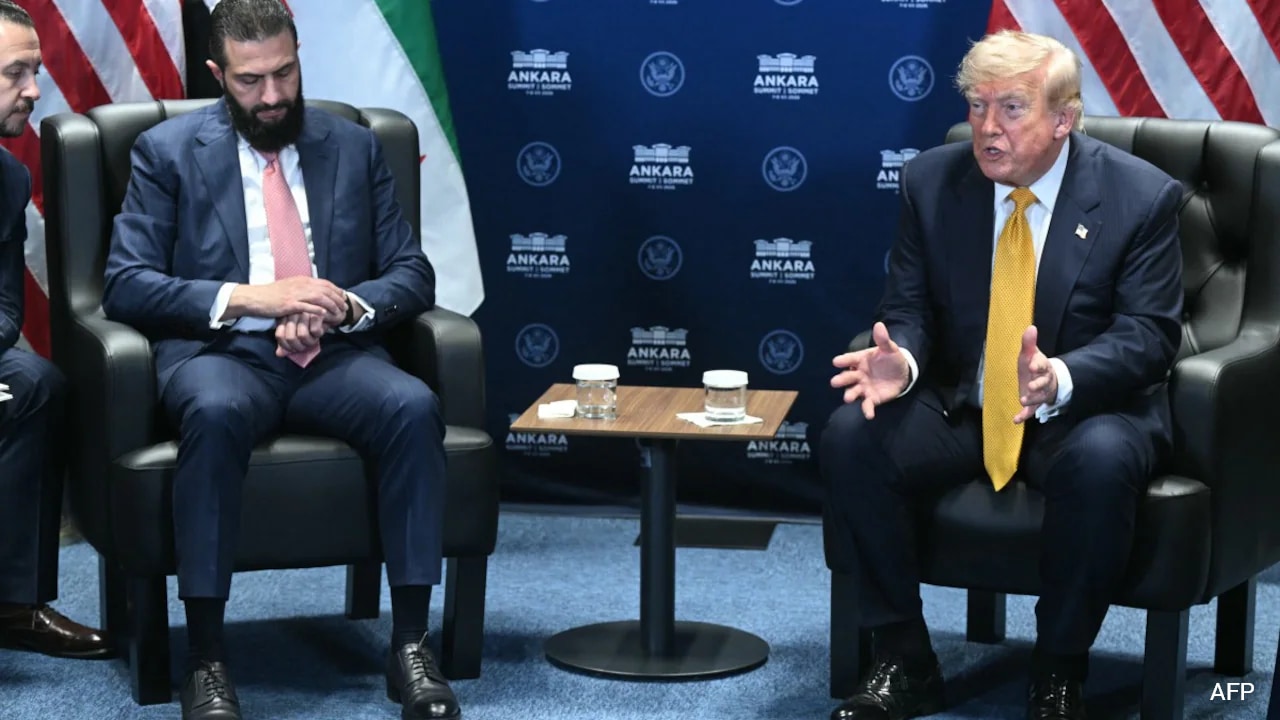
The United States announced it will remove Syria from the state‑sponsored terrorism list, a designation that has hampered foreign investment for decades. The decision follows President Donald Trump’s meeting with Syrian President Ahmed al‑Sharaa on the sidelines of the NATO summit in Ankara, signaling a strategic shift in U.S. Middle‑East policy.
Washington disclosed on Wednesday that it will officially strip Syria of its decades‑old designation as a state‑sponsored terrorist nation, opening the door to renewed economic engagement. The move marks a watershed in U.S. foreign policy, effectively re‑recognising President Ahmed al‑Sharaa on the global stage.
Background of the Terror Designation
In 1992, the United States labeled Syria a sponsor of terrorism, imposing sweeping sanctions that barred American firms from doing business in Syrian markets and froze a multitude of financial transactions. The label crippled Syria’s ability to attract foreign capital for its oil‑gas sector, infrastructure projects, and health‑care system, stalling economic growth for more than thirty years.
History of U.S.–Syria Relations
U.S.–Syria ties have long been fraught, shaped by Syria’s alliance with Iran, its role in the Iraq war, and accusations of human‑rights abuses during the Syrian civil war that began in 2011. Western nations imposed tight embargoes, while Washington periodically explored back‑channel diplomacy to counterbalance Iranian influence in the Levant.
Trump‑Al‑Sharaa Meeting at the NATO Summit
During the NATO summit in Ankara, President Donald Trump sat down with President al‑Sharaa for a private discussion on economic cooperation, counter‑terrorism coordination, and regional stability. The encounter was described by the State Department as a “new confidence‑building step,” underscoring the political weight behind the delisting decision.
Implications of Delisting
Removing Syria from the terror list could unlock billions of dollars in foreign direct investment, accelerate reconstruction of war‑torn infrastructure, and revive the country’s oil‑gas output. However, the decision also reshapes a delicate diplomatic matrix involving the European Union, Russia, and Iran, each of which may view the shift through its own strategic lens. Critics warn that the move could be perceived as overlooking the Assad regime’s record on human rights, while allies praise it as a pragmatic step to restore U.S. influence in the region.
Looking Ahead
Congressional scrutiny is likely to follow, as several lawmakers remain skeptical of easing sanctions without concrete reforms in Damascus. Yet, if Washington couples delisting with a robust aid package and clear benchmarks for governance, it could both accelerate Syria’s economic recovery and re‑assert American diplomatic leverage across the Middle East.
