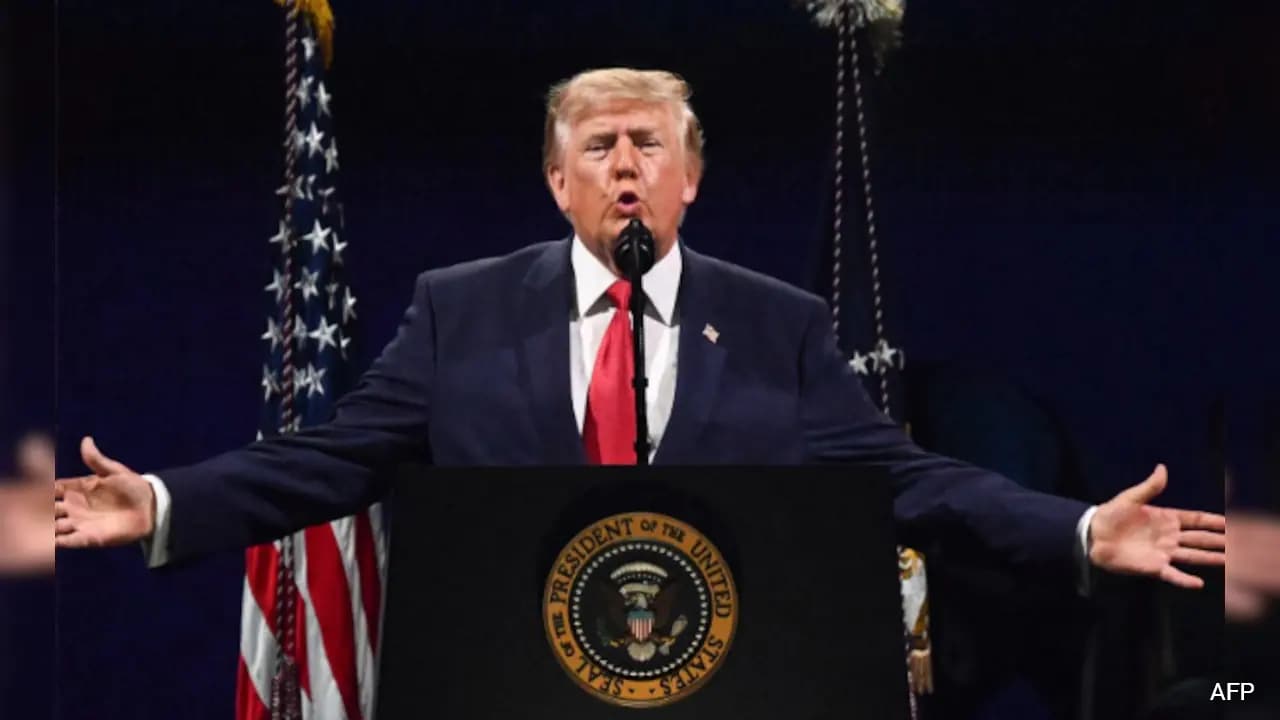
The Trump administration and the Kennedy Center board appealed to the US Court of Appeals for the District of Columbia, seeking a stay on the ruling that barred Trump’s name restoration. The court’s denial may deepen political tensions around American cultural institutions.
The United States Court of Appeals for the District of Columbia recently rejected Donald Trump's request to reinstate his name at the Kennedy Center, a move that underscores the legal complexities surrounding donor recognition and political controversy.
Background
In the wake of the January 6 unrest and subsequent political fallout, the Kennedy Center removed Trump’s name from one of its flagship donor‑recognition programs in 2021. The decision aligned with a broader “responsible philanthropy” trend among cultural institutions, which began distancing themselves from donors whose actions were deemed contrary to public values. Feeling aggrieved, Trump framed the removal as a personal affront and turned to the courts to reclaim his naming rights.
Legal Proceedings
District Judge Cooper had previously denied a preliminary injunction that would have paused the name removal, citing potential harm to the Center’s autonomy and public policy considerations. Undeterred, the Trump administration, together with the Kennedy Center’s board, filed an appeal, arguing that the decision infringed upon Trump’s First Amendment rights.
Implications of the Ruling
The appellate court upheld the lower court’s stance, emphasizing that the Kennedy Center possesses the discretion to set its naming policies without governmental interference. Legal analysts suggest this ruling could serve as a precedent for other arts and educational institutions facing similar donor‑related disputes, reinforcing their ability to make independent naming decisions even under political pressure.
Reactions and Next Steps
Trump supporters condemned the decision as “discriminatory” and an act of censorship, while cultural commentators hailed it as a victory for institutional independence. Both parties retain the option to petition the Supreme Court, but the immediate effect is a reaffirmation of the Kennedy Center’s right to govern its own recognitions.


