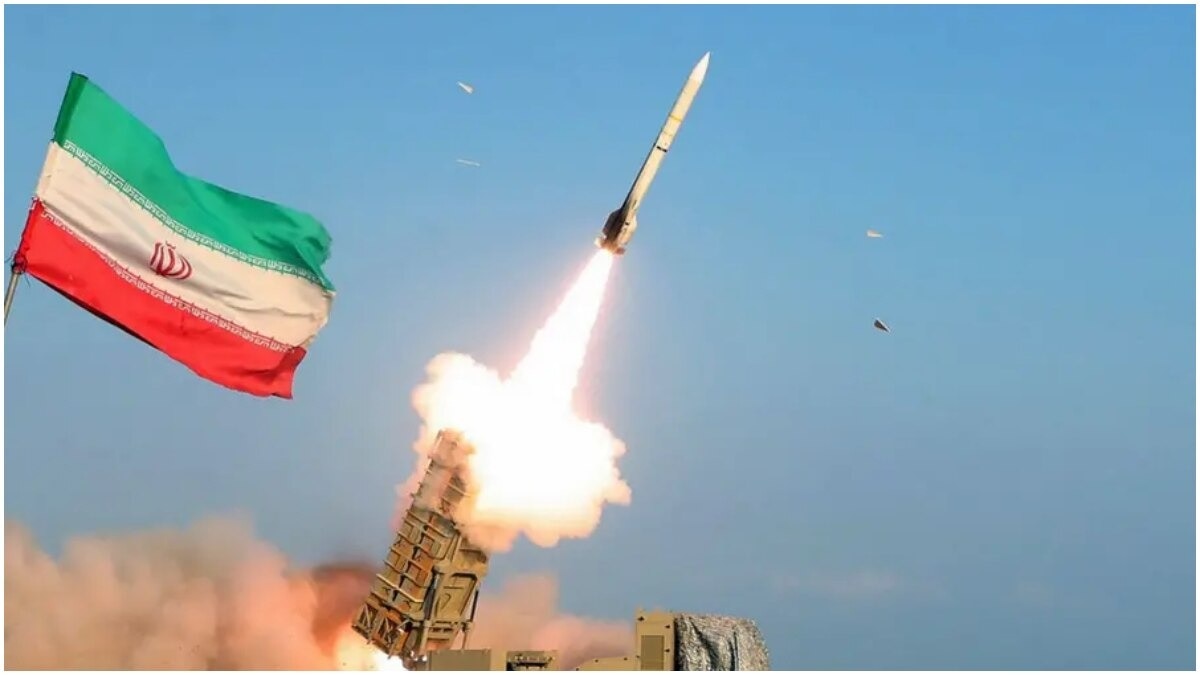
Following a recent US strike, Iran has shifted its focus from traditional adversaries to the small Gulf states of Kuwait and Bahrain. The move underscores deep resentment over American military presence and strategic alliances in the region. These nations’ geographic positioning has made them Iran’s new priority targets.
The pivot to Kuwait and Bahrain came after a three‑month ceasefire between Iran and the United States, during which the U.S. struck oil tankers near the Strait of Hormuz. In retaliation, Iran redirected its aggression away from its usual foes and began targeting the two strategically important Gulf countries.
Kuwait: A Key U.S. Military Hub
Kuwait borders Iraq and Saudi Arabia and sits at the upper reaches of the Persian Gulf. After Iraq’s 1990 invasion, the U.S. launched Operation Desert Storm, cementing a strong bilateral relationship. Today, Kuwait hosts major U.S. installations such as Camp Arifjan and Ali Al Salem Air Base, making it a pivotal point for U.S. military operations in the region.
Bahrain: Naval Powerhouse
Bahrain, a small island nation sandwiched between Saudi Arabia and Iran, hosts the U.S. Navy’s Fifth Fleet headquarters. This fleet controls U.S. naval power across the Persian Gulf, Red Sea, and Arabian Sea, and plays a crucial role in monitoring Iran’s oil tankers. The presence of this base makes Bahrain a strategic target for Iran.
Role in Gulf Politics
Bahrain has consistently opposed Iran’s expansionist policies and has normalized relations with Israel, provoking Iranian ire. Kuwait, while striving for neutrality, aligns closely with U.S. and Saudi security interests. Both countries’ dual stances make them vulnerable to Iranian retaliation.
New Strategic Equation
Iran believes that the U.S. has leveraged its bases in Kuwait and Bahrain to project power, prompting Iran to shift its focus to these small but critical states. This move signals an attempt to alter the regional power balance and curtail U.S. influence.
As this dynamic unfolds, the stability of the Middle East and global energy markets must be monitored closely. If the trend continues, Gulf states may need to rethink their security frameworks to withstand heightened pressure.
