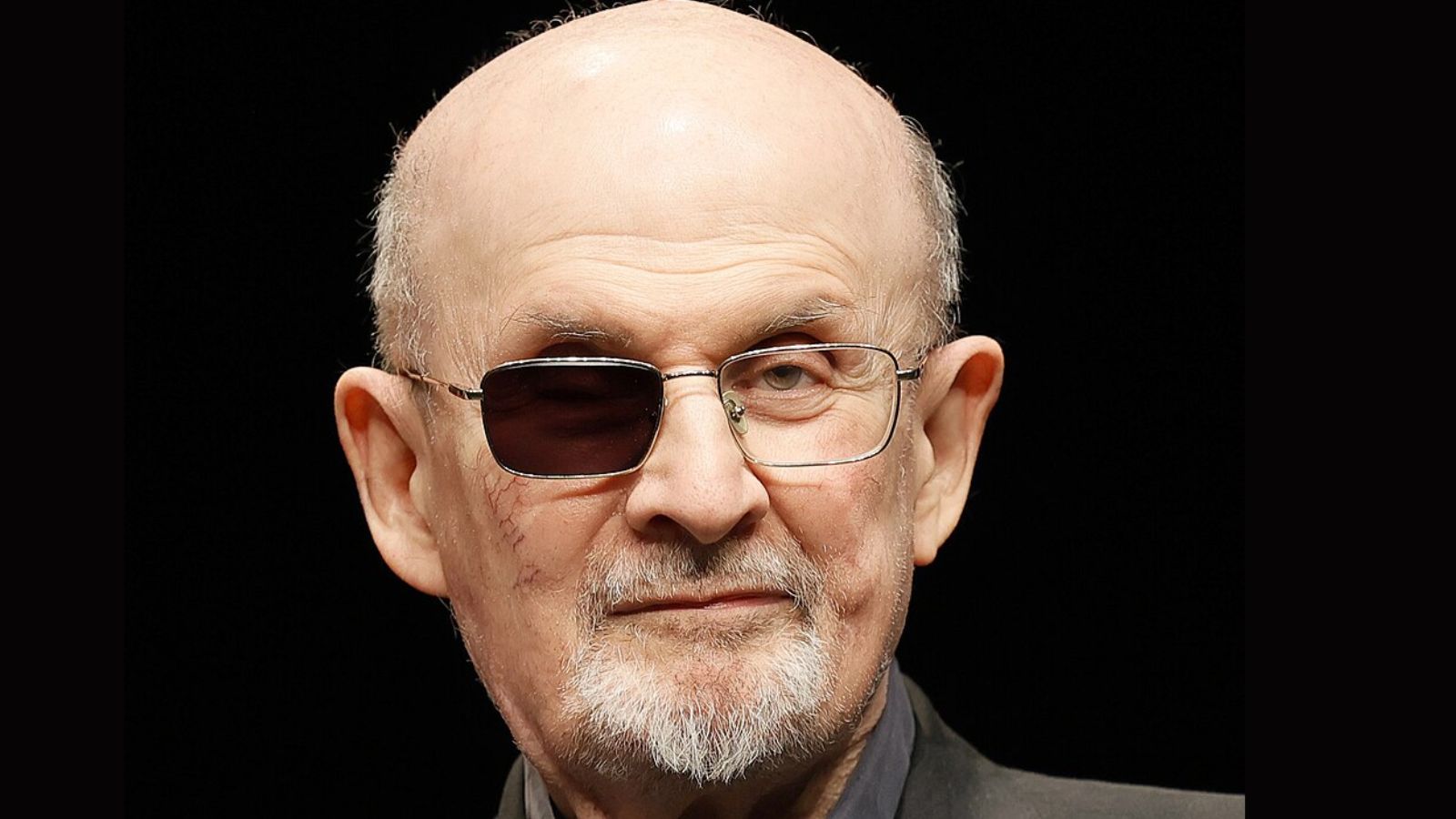
At Liberatum’s Cultural Honour ceremony in London, Salman Rushdie warned that President Trump’s notion of “free expression” excludes dissenting voices. He also highlighted book bans in U.S. schools and climate anxieties in India as looming threats to liberty and culture.
British‑American author Salman Rushdie accepted Liberatum’s 14th‑year “Cultural Honour” in London, an accolade previously presented to Nobel laureate V.S. Naipaul, architect Zaha Hadid and filmmaker Francis Ford Coppola. The ceremony also marked the organization’s 25th anniversary, underscoring the impact of writers who shape world literature.
Free speech under fire in the United States
In a video interview with Reuters, Rushdie said, “I never imagined the First Amendment land would see such an assault on free speech.” Referring to former President Donald Trump and Vice‑President J.D. Vance, he argued that their rhetoric on “free expression” applies only to supporters, while journalists, comedians, writers, artists and intellectuals who dissent are systematically targeted. This, he warned, signals a profound erosion of democratic norms.
Rising tide of school book bans
According to the latest PEN America report, between 2021 and 2025, 22,810 instances of book bans were recorded across 45 U.S. states, affecting 3,752 unique titles. Non‑fiction works saw a sharp surge in censorship. Rushdie noted, “It’s not a one‑way traffic; the challenges are real, and the battle we never expected to fight is now underway.” He emphasized that the suppression of literary diversity threatens the very foundation of an informed citizenry.
India’s climate crisis and public anxiety
Turning to his country of origin, Rushdie said his Indian friends are “extremely concerned” about the climate emergency. He highlighted that environmental degradation compounds social unrest, urging Indians to “gird our loins and fight a fight we thought we’d won.” The parallel crises in the U.S. and India illustrate how free expression and planetary health intersect.
AI and the limits of machine‑generated art
In a separate Variety interview, Rushdie dismissed artificial intelligence as a creative force, stating, “I have less than zero interest in AI.” While AI can process massive data, he argued it cannot produce the novelty required for true art—something no one has ever done before. This viewpoint adds to ongoing debates about the role of AI in literature and the preservation of human originality.
Rushdie’s remarks weave together the threads of political authoritarianism, cultural censorship, and ecological urgency, urging a global audience to remain vigilant and proactive. As he put it, “We must gird our loins and fight a fight we thought we’d won.”