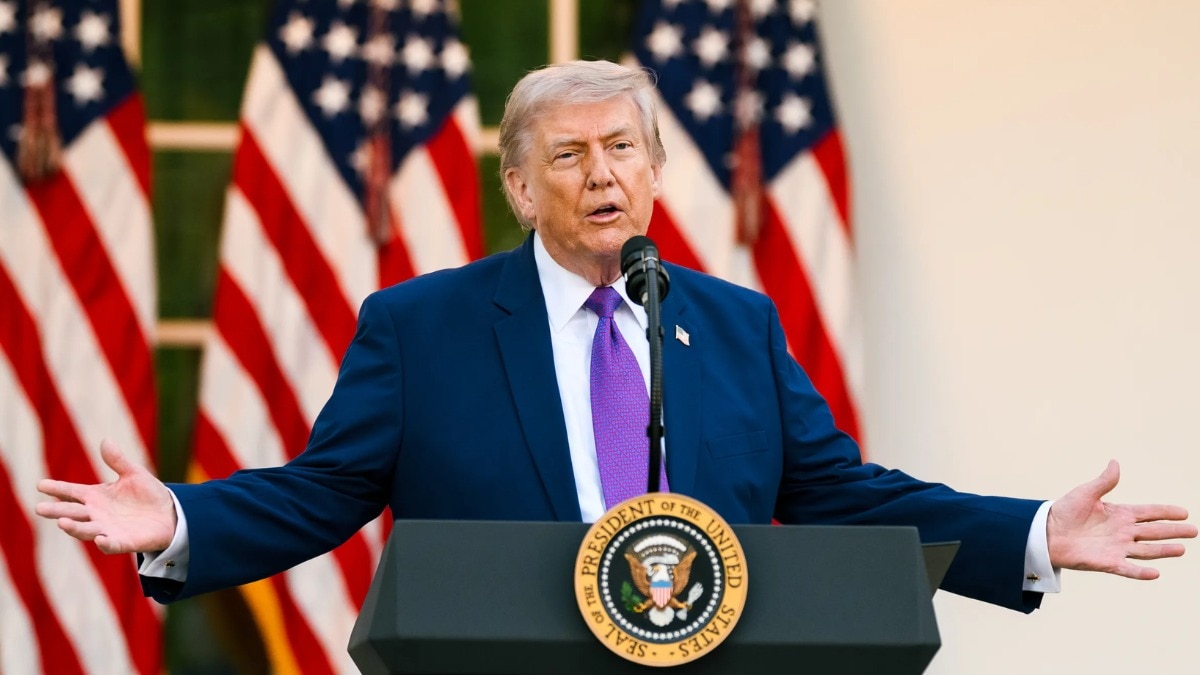
President Donald Trump has officially terminated the interim agreement with Iran following provocative military strikes in the Strait of Hormuz, signaling a dangerous shift in regional stability.
Tensions in West Asia have reached a critical boiling point as President Donald Trump announced the termination of the interim ceasefire agreement with Iran. This decisive move follows a series of fresh military strikes in the Strait of Hormuz, a vital maritime chokepoint, effectively ending a fragile period of diplomatic restraint and reopening the door to direct confrontation.
The Strategic Significance of the Strait of Hormuz
The focus on the Strait of Hormuz is not coincidental. As the world's most important oil transit chokepoint, any military escalation in this region has immediate ramifications for global energy security. Analysts warn that a prolonged conflict or a blockade of the strait could lead to a catastrophic spike in crude oil prices, triggering economic instability across global markets and impacting everything from transportation costs to industrial production.
The 'Maximum Pressure' Doctrine Revisited
This escalation is a manifestation of the Trump administration's long-standing 'Maximum Pressure' campaign. By combining crippling economic sanctions with targeted military posturing, the U.S. aimed to force Iran to dismantle its nuclear ambitions and cease its support for regional proxies. The collapse of the interim agreement suggests that the window for a negotiated settlement is closing, leaving military deterrence as the primary tool of engagement.
Global Implications and Potential Next Steps
The international community now watches with apprehension to see if the U.S. will move toward a full-scale military operation or if this declaration is a strategic gambit to force Iran back to the negotiating table under harsher terms. The risk of miscalculation is high; a single tactical error in the Persian Gulf could ignite a regional war involving multiple allies and adversaries.
As the U.S. shifts its posture, the response from Tehran will be the deciding factor. Whether Iran chooses strategic patience or retaliatory strikes will determine if the world is facing a temporary diplomatic crisis or a systemic geopolitical shift in the Middle East.