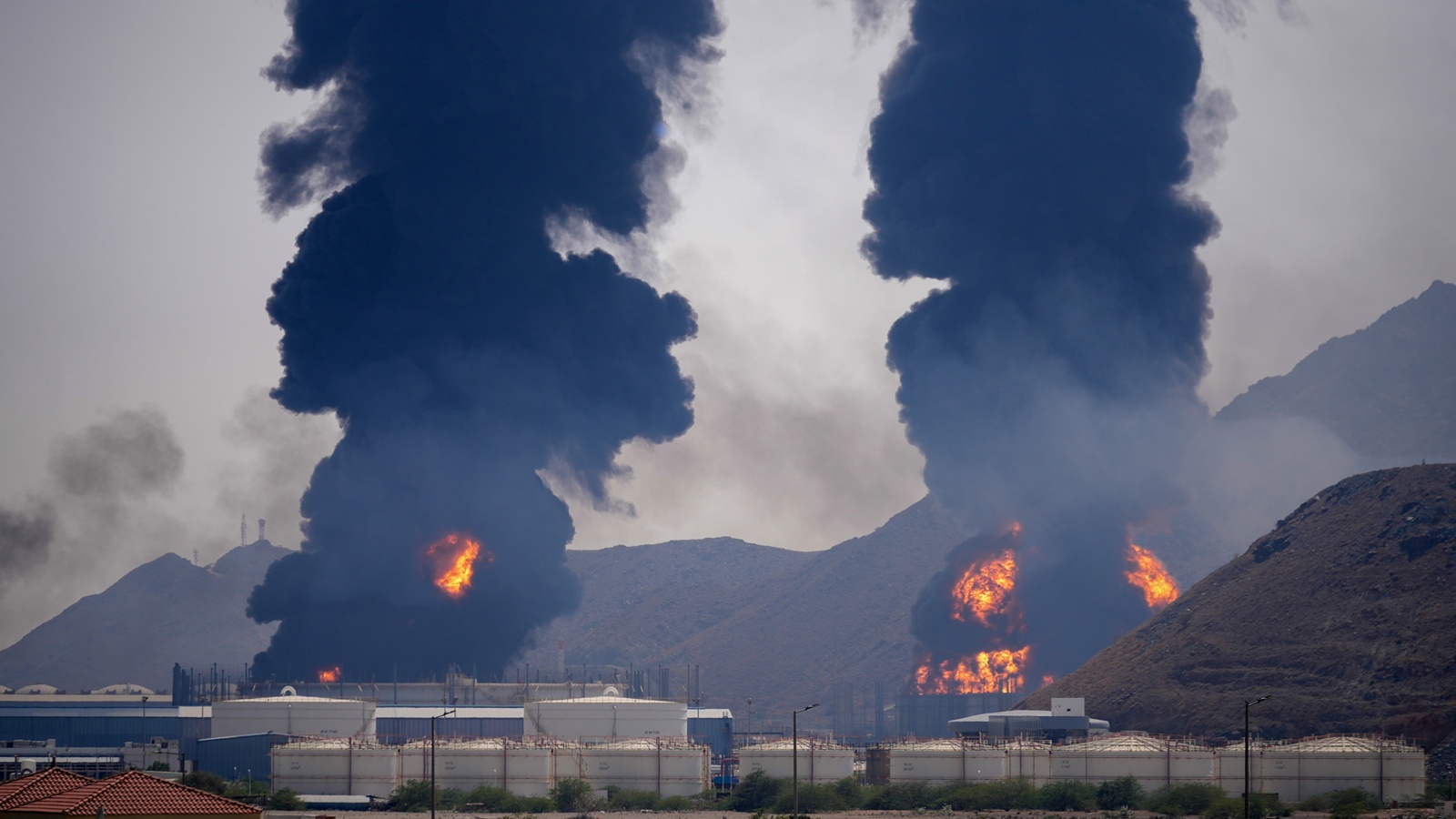
The United States carried out its inaugural airstrike on Iran's strategic Chabahar port on Thursday, damaging key maritime infrastructure. The operation marks a geographic expansion of the conflict beyond the Strait of Hormuz, where tensions had previously been concentrated.
The United States launched fresh airstrikes early Thursday, targeting Iran's southeastern coastal city of Chabahar for the first time since the war began. The strikes damaged a maritime control tower and other critical infrastructure, signalling Washington's decision to broaden its military campaign beyond the Strait of Hormuz.
Strategic Significance of Chabahar
Chabahar is Iran's sole deep‑water, ocean‑facing port, situated on the Gulf of Oman outside the Hormuz corridor. Its location makes it a pivotal node for regional trade, especially for oil exports and cargo routes linking the Indian Ocean to Central Asia. U.S. officials argue that neutralising Chabahar's facilities aims to curtail Iran's ability to threaten commercial vessels transiting the Hormuz strait.
Immediate Impact of the Strike
Video footage released by open‑source analysts showed the maritime control tower’s façade riddled with blast damage. Iranian officials confirmed that the tower was "targeted and damaged" by the U.S. attack. Additional reports indicated a fire at an Islamic Revolutionary Guard Corps (IRGC) barracks in Bushehr, suggesting that the strike may have affected adjacent military sites as well.
Geopolitical Context
The attack comes after a cease‑fire announced in April between Washington and Tehran. It represents the first major breach of that truce, expanding the battlefield from the Gulf coastline to the broader Omani Sea region. President Donald Trump, posting the strike imagery on social media, framed the operation as retaliation for recent Iranian attacks on vessels passing through Hormuz, warning that any further aggression would be met with "much worse" responses.
Implications and Outlook
Analysts warn that the escalation could destabilise shipping lanes, inflate global oil prices, and provoke a cascade of diplomatic confrontations. Moreover, Iran may respond with heightened asymmetric attacks, potentially targeting U.S. assets or allied shipping in the region. The widening of hostilities underscores the fragile balance of power in the Middle East and raises concerns about a broader regional conflagration.