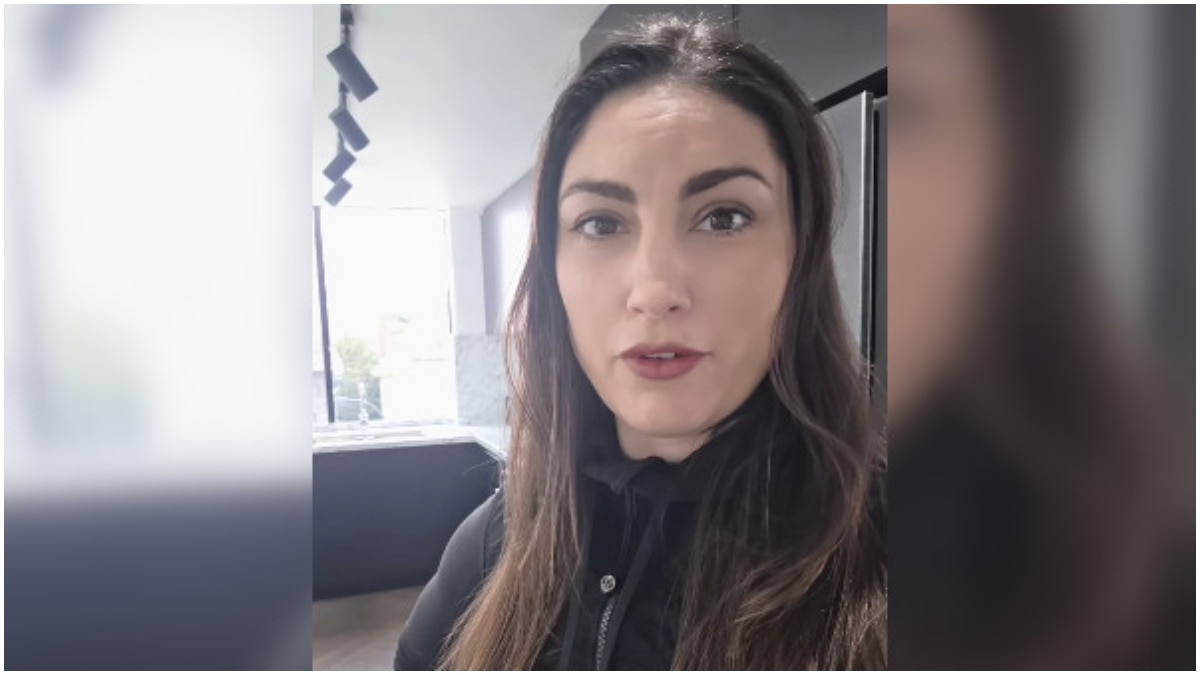
Australian executive Stephanie, 36, recounted surviving two separate kidnapping attempts in Sicily within hours, forcing her to pause her plans to buy a home in Italy. The harrowing ordeal highlights safety gaps for solo travelers in popular tourist spots.
मुख्य बिंदु (Key Takeaways)
- Stephanie survived two distinct kidnapping attempts by different men in Sicily.
- The incident exposes gaps in local security and assistance for tourists.
- Her plans to invest in Italy's €1 house scheme are now on hold.
Australian executive Stephanie, 36, was on a solo trip to Sicily after a group vacation in Europe. While exploring the €1 house scheme—where abandoned properties are sold for a symbolic euro—she also intended to kiteboard near the coastal town of Lo Stagnone.
First Attempt: A Stranger Driver’s Dangerous Ride
Stephanie joined a gathering of fellow kiteboarders and accepted a lift from a European expatriate she met there, assuming he would take her to the same venue. Instead, the driver accelerated away from the group, ignored her pleas to stop, and reportedly aimed to push the car to 160 km/h on narrow Sicilian roads, leaving her terrified.
Second Attempt: A Guard’s Unsettling Demand
After fleeing the speeding car and reaching a gated property, Stephanie ran into a local security guard who offered to drive her back to her lodging. En route, the guard stopped in an alley and typed a message on her phone asking, "What will you do for me for driving you home?" Alarmed, Stephanie escaped again, hiding in a nearby vineyard before walking back to her hotel.
Aftermath and Future Plans
The experience left Stephanie in tears the following day, and she shared the ordeal with her kiteboarding group. She stressed that the incident should not reflect on Italy or Italians—her first driver was a European expatriate, not an Italian. Consequently, she has put her house‑buying plans on hold and now insists on traveling only with a trusted companion.
Analytical Perspective
Stephanie’s story underscores the critical need for robust tourist‑safety frameworks in high‑traffic destinations. While real‑time location sharing aided her escape, the reliance on strangers for transport reveals systemic vulnerabilities. Authorities and private security providers must enhance monitoring and rapid‑response protocols to protect solo travelers, especially women, from such predatory behavior.