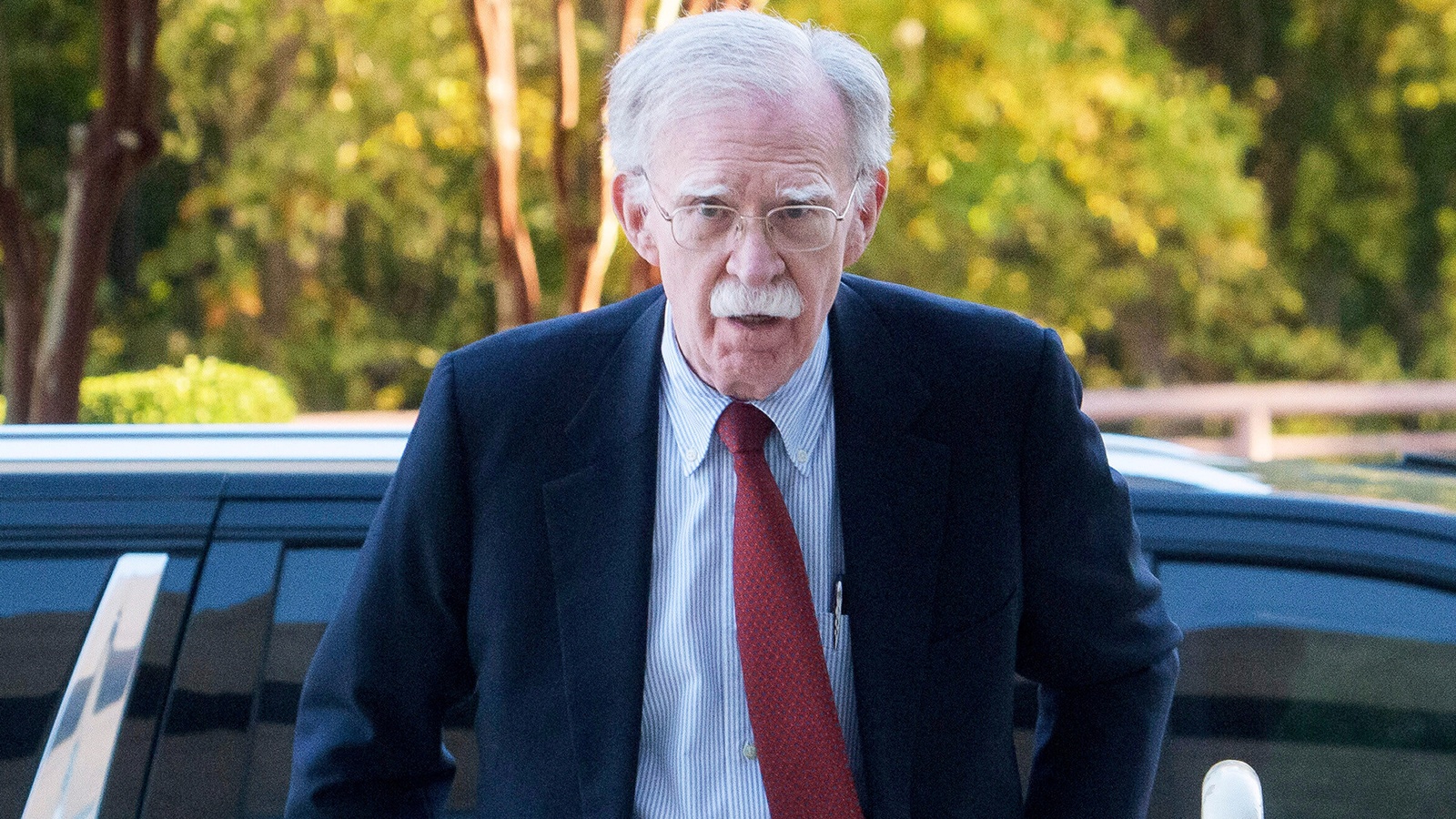
Former US National Security Advisor John Bolton says President Trump’s repeated calls to take over Greenland are more of a political stunt than a concrete policy. The remark comes as Trump revived his Greenland demand at the NATO summit, stirring diplomatic ripples.
Key Takeaways
- Trump’s Greenland claim signals strategic interest in the Arctic.
- John Bolton labels the rhetoric as "trolling," but underlying motives may exist.
- The island’s resources and NATO dynamics could reshape future geopolitics.
Trump revives Greenland demand— On July 10, 2026, during the NATO summit in Ankara, President Donald Trump once again asserted that the United States should take control of Greenland, a semi‑autonomous Danish territory. “Greenland is very important for the United States, but it’s not important for Denmark,” he declared, even referencing Denmark’s World War‑II occupation. Danish Prime Minister Mette Frederiksen immediately rejected any notion of negotiation over Greenland’s status.
John Bolton’s Inside Story
Former National Security Advisor John Bolton told Euro News that Trump’s obsession with Greenland is essentially “trolling.” Bolton recalled a moment in the first term when Trump dictated a tweet, demanding the typist to capitalize the last sentence, then turned to him and said, “Do you know why I just said that?” – “Because it drives them crazy.” He added, “That’s why he keeps talking about Greenland – it drives people crazy.”
Strategic Importance of the Arctic
Greenland sits at the gateway to the Arctic, where melting ice is opening new shipping lanes and exposing untapped oil‑gas reserves. China, Russia and the European Union are all vying for influence in the region. In this context, the United States may view a claim over Greenland as a way to pre‑empt rival powers and reinforce NATO’s northern flank.
Historical Echoes
The Greenland demand is not new. In 2019, Trump suggested making the island a “second state” for America, prompting swift condemnation from Denmark and the broader international community. Two years later, the same rhetoric resurfaces, raising questions about whether the motive is genuine policy or domestic political theater.
What Lies Ahead?
If Trump pursues the idea seriously, it could reshape US‑Denmark diplomatic ties, NATO’s Arctic strategy, and global climate‑policy negotiations. Analysts argue that such statements often serve to rally a domestic base while signaling resolve to foreign competitors, making the Greenland saga a blend of showmanship and strategic posturing.