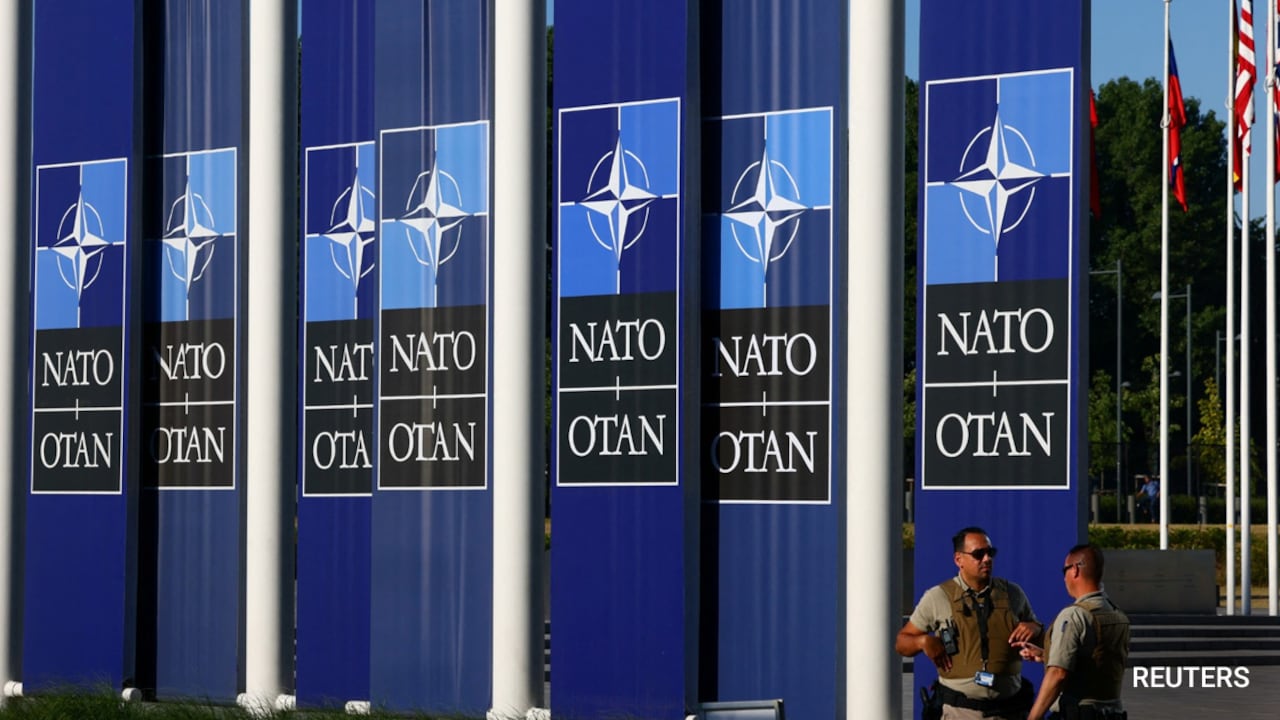
At the Ankara summit, NATO leaders adopted a new benchmark requiring members to spend 5% of GDP on defence, far above the longstanding 2% goal. Only Lithuania and Estonia have already reached this level, underscoring their strategic role on the alliance’s eastern flank.
Key Takeaways
- NATO adopts a 5% of GDP defence spending benchmark
- Only Lithuania and Estonia currently meet the new target
- The shift could reshape alliance cohesion and eastern‑flank security
During the NATO summit in Ankara, alliance leaders announced a bold new spending target: members are now expected to allocate at least 5% of their gross domestic product to defence. This figure dwarfs the 2% ceiling that has guided NATO budgeting for more than two decades and places immediate fiscal pressure on every signatory.
Historical Context
The 2% guideline, formalised in 2006, reflected post‑Cold‑War realities and the desire to keep defence budgets manageable across diverse economies. Over the past decade, however, Russian military activity—most notably the annexation of Crimea and the buildup in the Baltic region—has compelled NATO to rethink its financial baseline. The 5% target signals a decisive shift toward higher readiness and deterrence.
Eastern Flank: Lithuania and Estonia
Both Lithuania and Estonia have already surpassed the 5% threshold, allocating a larger share of their GDP to defence than any other NATO member. Their elevated spending is driven by proximity to Russia and a determination to fortify the alliance’s northeastern perimeter. Despite relatively modest economies, these Baltic states prioritize security spending, viewing it as essential for national sovereignty.
Reactions Across the Alliance
Major European powers such as Germany, France and Italy have expressed concern over the feasibility of the new benchmark, citing fiscal constraints and competing domestic priorities. While some officials frame the target as a necessary response to evolving threats, others warn that it could become a “budgetary burden” that strains political cohesion.
Implications for the Future
Adopting a 5% standard may compel NATO to renegotiate its internal financing mechanisms and could test the alliance’s unity if many members fall short. The move also serves as a strategic message to Moscow, indicating that the West is prepared to invest substantially in collective defence. Future summits will likely focus on how to reconcile fiscal realities with the heightened security expectations that this new target creates.