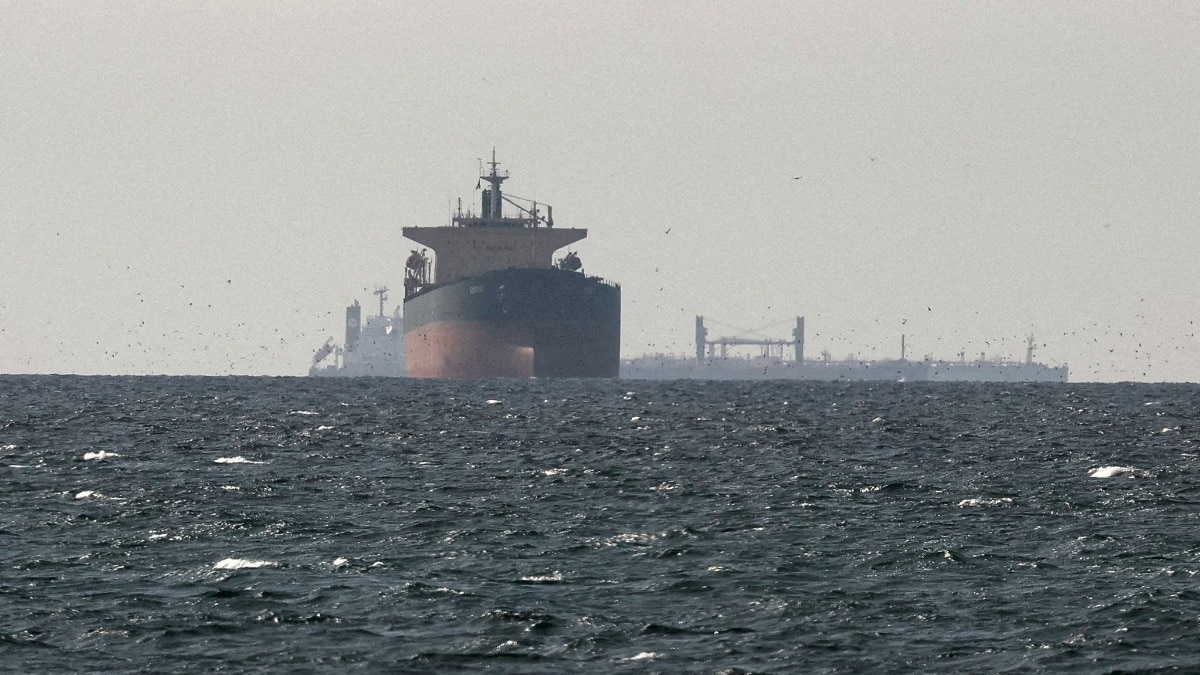
Three Thai crew members who survived the March 11 projectile strike in the Strait of Hormuz have filed a lawsuit alleging unlawful termination and inadequate compensation. Their claim highlights the human cost of heightened Middle‑East tensions on global maritime labor.
मुख्य बिंदु (Key Takeaways)
- Three former crew members sue Precious Shipping Co. for unfair dismissal.
- The Hormuz attack killed three sailors and left the remaining crew with PTSD.
- Claimants argue the company ignored escalating security risks and terminated contracts early.
On March 11, a projectile strike in the Strait of Hormuz struck the Thai cargo vessel Mayuree Naree, killing three crew members and forcing the remaining 20 to be rescued and repatriated to Thailand. Three of those survivors – Panithi Tumkaew, Noppadon Wongsuvan and Surades Manpuen – have now taken the matter to Bangkok’s Central Labour Court, accusing Precious Shipping Co. and its affiliates of violating labour rights and dismissing them unfairly.
Background of the Incident
The Hormuz waterway, responsible for roughly one‑fifth of global oil and LNG shipments, has become a flashpoint amid renewed Middle‑East hostilities. Despite escalating threats, Precious Shipping chose to keep the vessel in transit, exposing its crew to heightened danger.
Alleged Labour Rights Violations
According to their attorney, Kunpat Singhathong, the three sailors were terminated before completing their nine‑month contracts after the ship was deemed inoperable. They received compensation equivalent to only two months’ wages, a sum deemed insufficient given their subsequent diagnoses of post‑traumatic stress disorder (PTSD) and inability to return to sea.
Damages Sought and Potential Impact
Each plaintiff is seeking more than one million baht (approximately USD 30,000) in damages. A favorable ruling could set a precedent for enforcing safety‑related labour standards across the global shipping industry, especially when vessels are forced to operate in high‑risk zones.
International Context
International Maritime Organization Secretary‑General Arsenio Dominguez recently warned, “Behind the figures are seafarers and their families who continue to bear the human cost of this conflict.” The lawsuit underscores the broader vulnerability of seafarers from Thailand, India, the Philippines and other nations who make up a substantial share of the world’s maritime workforce.