President Donald Trump announced that a large‑scale military strike will follow any Iranian plot to kill him, dismissing fresh Israeli intelligence claims. Meanwhile, Qatar pledges to keep diplomatic channels open amid rising tensions.
Key Takeaways
- Trump orders a massive military response to any Iranian assassination attempt.
- He dismisses new Israeli intelligence reports as unsubstantiated.
- Qatar continues diplomatic efforts to de‑escalate the crisis.
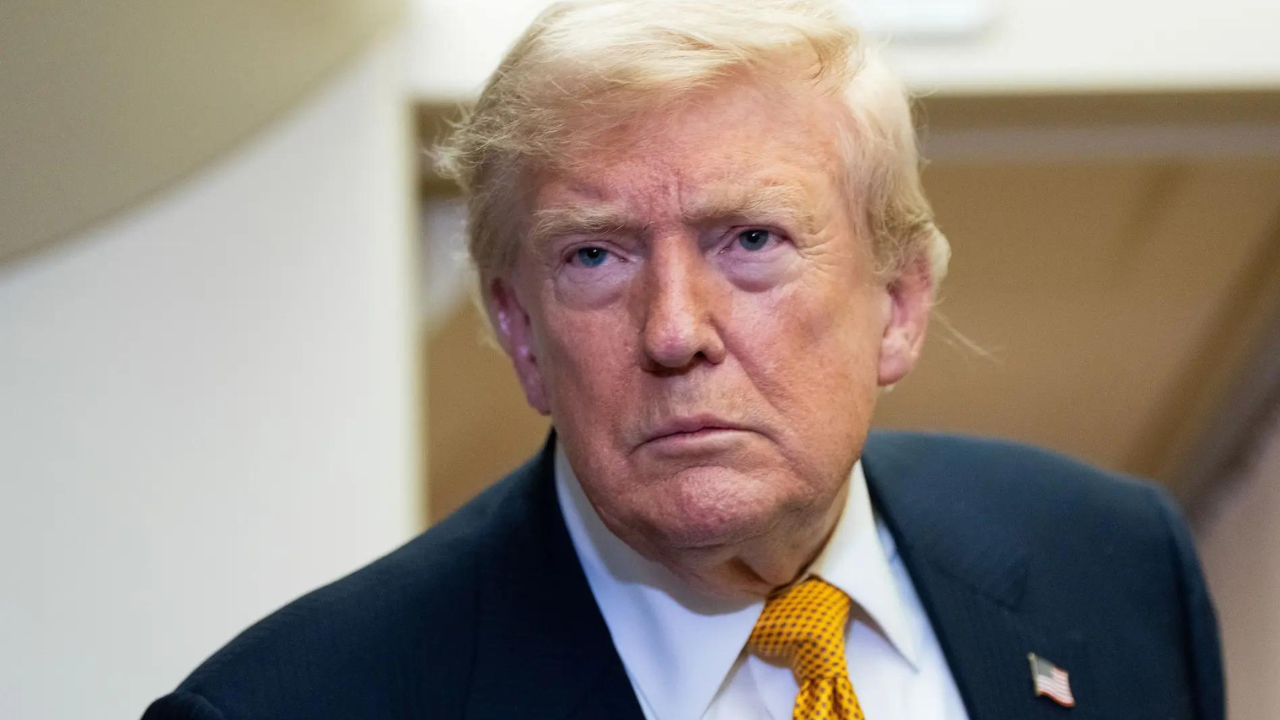
U.S. President Donald Trump publicly declared that any Iranian scheme to assassinate him will trigger a "massive" military retaliation. The statement came as several media outlets cited fresh Israeli intelligence suggesting a concrete Iranian plot, which Trump promptly rejected as lacking credibility.
Historical Context
U.S.–Iran relations have been fraught for decades, intensifying after the 2020 killing of General Qasem Soleimani. The strike sparked a vow from Tehran for retaliation, and the specter of further Iranian actions has kept American security concerns elevated ever since.
Israel’s Intelligence and U.S. Decision‑Making
U.S. officials often acknowledge that Israeli intelligence can shape American military planning, yet Trump’s dismissal signals a desire to assert independent decision‑making. This duality underscores the strategic partnership’s complexity, where cooperation coexists with sovereign policy choices.
Qatar’s Diplomatic Initiative
Amid the heightened rhetoric, Qatar reaffirmed its commitment to diplomatic mediation between Washington and Tehran. The Qatari foreign ministry emphasized its role as a conduit for dialogue, aiming to avert a full‑scale military clash in a region already volatile from multiple flashpoints.
Implications and Outlook
If Iran interprets Trump’s warning as a direct threat, the risk of a large‑scale military exchange escalates. Conversely, successful Qatari mediation could curb the momentum toward open conflict. International observers will be watching closely, as any misstep could ripple through global security architectures and reshape geopolitical alignments.