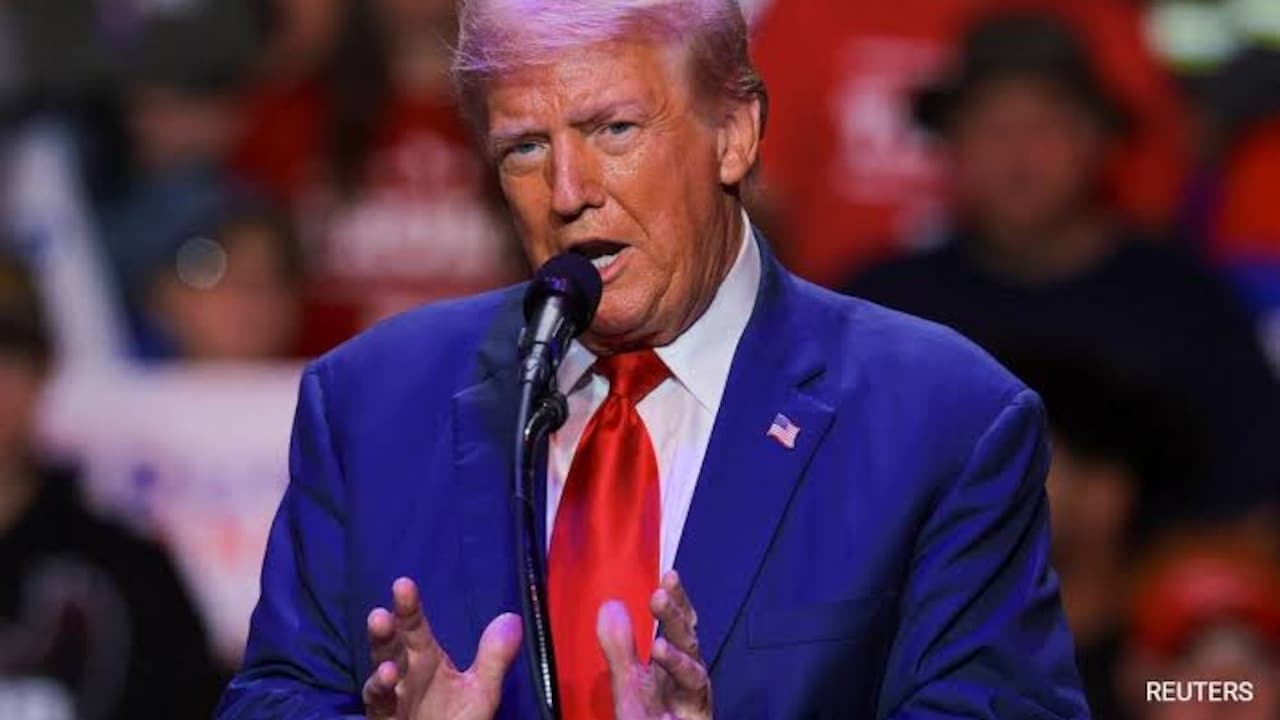
After months of behind‑closed‑doors talks, Senate leaders have secured a deal with President Trump on a Russian sanctions bill, despite a lukewarm White House response and Trump’s shifting stance toward Putin. The agreement marks a critical step toward tightening U.S. economic pressure on Moscow.
Key Takeaways
- U.S. Senate reaches a compromise with President Trump on a Russian sanctions bill.
- The White House’s tepid reaction slowed negotiations.
- Passage of the bill could reshape U.S.–Russia diplomatic dynamics.
U.S. senators have announced a deal with President Donald Trump on a comprehensive sanctions package targeting Russia, concluding months of intensive negotiations. The legislation aims to deepen economic restrictions on key Russian sectors, especially energy, finance, and technology, in response to Moscow’s continued aggression in Ukraine.
Background and Negotiation Challenges
Since Russia’s 2022 invasion of Ukraine, bipartisan pressure in Congress has mounted to impose stricter sanctions. However, President Trump initially balked at the proposal, preferring a diplomatic overture to President Vladimir Putin. The White House’s mixed messages created uncertainty, prompting Senate leaders to craft a bill that balances punitive measures with room for executive flexibility.
Core Provisions of the Agreement
The compromise includes three primary components: first, expanded sanctions on Russian oil and gas firms; second, prohibitions for U.S. financial institutions from engaging with designated Russian banks; and third, targeted cyber‑security actions against Russian hacking groups. By aligning these provisions with Trump’s preferred diplomatic tone, the Senate secured a level of White House acquiescence.
Potential Implications and Future Outlook
If enacted, the bill could significantly alter the calculus of U.S.–Russia relations. Tighter sanctions may force Moscow to seek alternative financing and energy markets, while reinforcing the credibility of multilateral sanctions regimes led by the United Nations and European allies. Yet, the volatility of Trump’s foreign‑policy approach could jeopardize the bill’s longevity and enforcement.
Overall, the deal showcases congressional resolve to address a pressing international security concern, even as the executive branch remains ambivalent. It underscores the delicate balance between legislative assertiveness and presidential discretion in shaping America’s strategic response to global threats.