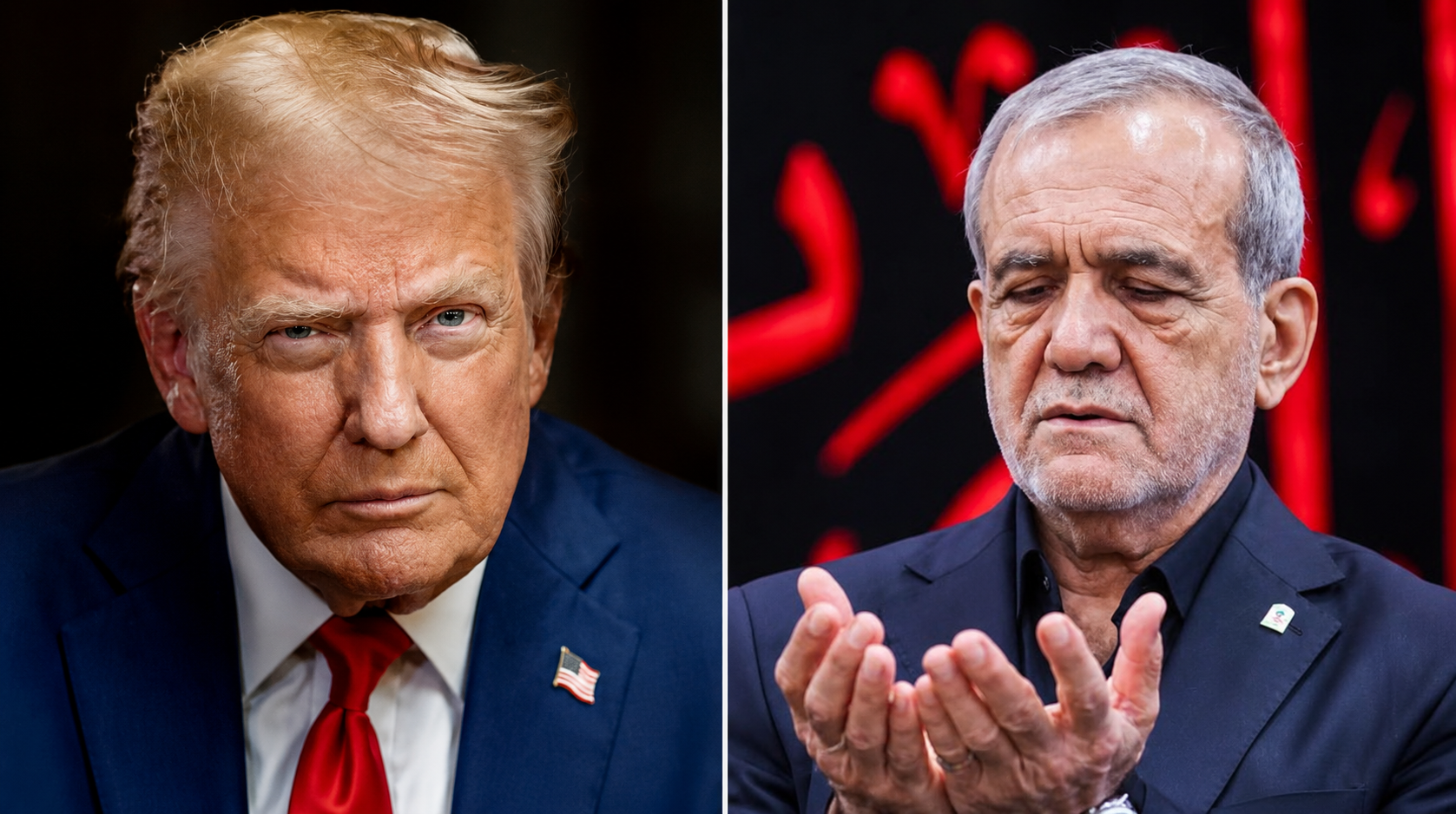
Senior US officials say Iran has labeled its attacks on commercial vessels in the Strait of Hormuz as a mistake. The Trump administration now insists on a public acknowledgment and a pledge to keep the shipping lane open and safe.
Key Takeaways
- Iran admits the Hormuz attacks were a mistake.
- The Trump administration demands a public admission.
- Further diplomatic talks are scheduled in Oman.
Senior US officials have informed President Donald Trump that Tehran privately described its strikes on commercial ships in the Strait of Hormuz as a "mistake," according to CBS News. The Iranian side framed the attacks as the work of an "errant" hard‑line faction trying to derail ongoing negotiations, while signalling a willingness to keep diplomatic channels open.
Strategic Context of the Strait
The Hormuz Strait is a choke point for global energy markets, channeling roughly 20% of the world’s oil shipments daily. Any disruption can trigger spikes in oil prices and ripple through global economies. Iran’s decision to target merchant vessels—whether intended as leverage or a miscalculated show of force—constitutes a breach of the cease‑fire agreement and international maritime law.
Washington’s Response
The Trump administration has classified the incident as a violation of the existing cease‑fire and is pressing Iran for a signed, public statement that the Hormuz shipping lanes will remain open and safe for all traffic. This demand aligns with broader US objectives to maintain freedom of navigation and to prevent any single actor from holding the strait hostage.
Diplomatic Track Forward
Vice‑President JD Vance, senior adviser Jared Kushner, special envoy Steve Witkoff, and Secretary of State Marco Rubio have been tasked with continuing high‑level engagement with Tehran. The next round of talks is set for Saturday in Oman, where US officials expect Iran to reaffirm its commitment to an open and secure Hormuz corridor.
Potential Outcomes
If Iran complies, the gesture could de‑escalate a volatile situation and restore confidence among global shipping firms. Conversely, a refusal or conditional acceptance could reignite tensions, potentially prompting a military response or further sanctions. Analysts warn that the episode underscores the fragile balance between regional power plays and the need for predictable, rules‑based maritime conduct.
Long‑Term Implications
Experts argue that Iran’s admission, while a diplomatic win for Washington, highlights deeper fissures within Tehran’s political elite. Hard‑liners may view concessions as weakness, while moderates push for sustained dialogue. The episode may also influence future US‑Iran negotiations on broader issues such as nuclear policy, regional security, and economic sanctions.


