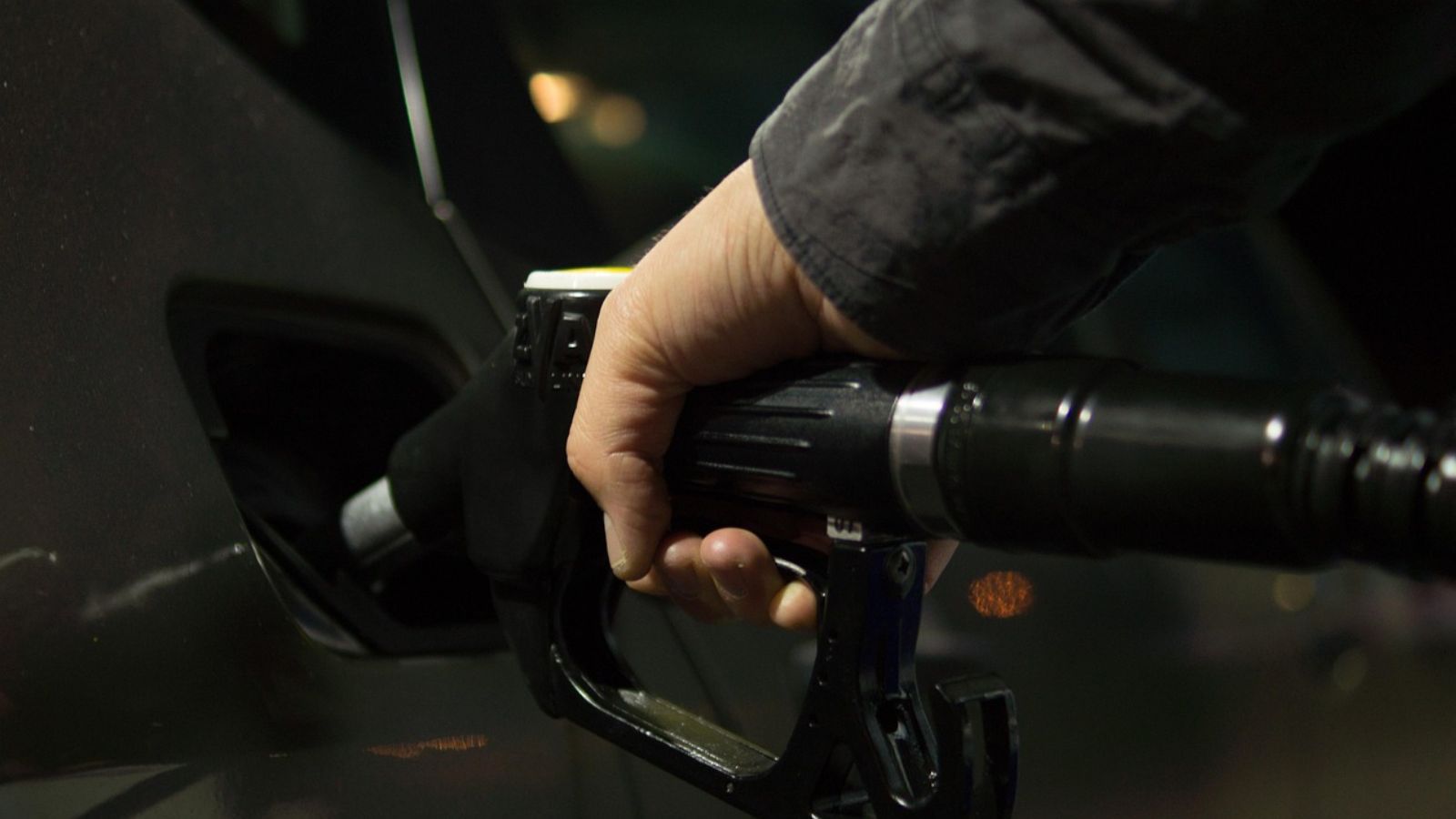
Effective July 12, Pakistan hiked petrol to PKR 310.71 per litre and high‑speed diesel to PKR 323.30 per litre, reflecting soaring global oil prices and IMF‑linked tax reforms.
Key Takeaways (मुख्य बिंदु)
- Petrol and diesel prices increased by more than PKR 13 per litre.
- West Asia geopolitical tension pushes up international crude prices.
- IMF‑mandated tax adjustments introduce a new climate support levy.
The Pakistani government announced a sharp rise in both petrol and high‑speed diesel (HSD) rates on Friday. Under the new schedule, petrol climbs by PKR 13.18 to PKR 310.71 per litre, while HSD jumps by PKR 13.80 to PKR 323.30 per litre. The changes took effect on July 12, as reported by Dawn.
International Context
The price surge coincides with escalating geopolitical friction in West Asia, especially the renewed US‑Iran confrontation that has driven crude oil futures to record highs. In April, petrol briefly peaked at PKR 458.41 per litre—a steep rise from just PKR 266 at the start of March—underscoring how volatile the market has become.
IMF Deal and Tax Structure
In line with its agreement with the International Monetary Fund (IMF), Pakistan doubled the climate support levy to PKR 5 per litre while trimming the petroleum levy. Consequently, the petroleum levy now sits at roughly PKR 70 per litre for petrol and PKR 80 per litre for diesel. Overall tax pressure on petrol totals about PKR 95 per litre, and on HSD about PKR 101 per litre, encompassing customs duties, the petroleum levy, climate levy, and an inland freight equalisation margin.
Economic and Social Impact
Higher fuel costs are poised to lift inflation, squeezing middle‑class households and low‑income earners. Petrol and diesel remain Pakistan’s top petroleum revenue generators, with combined monthly sales of 700,000‑800,000 tonnes—far outpacing kerosene’s roughly 10,000 tonnes. The price hike may spur greater reliance on public transport and accelerate interest in alternative energy sources.
Looking Ahead
Should global crude prices remain elevated, further adjustments could be on the horizon. Moreover, to stay compliant with IMF conditions, the government must balance revenue needs with structural reforms aimed at reducing import dependence and stabilising the economy.


