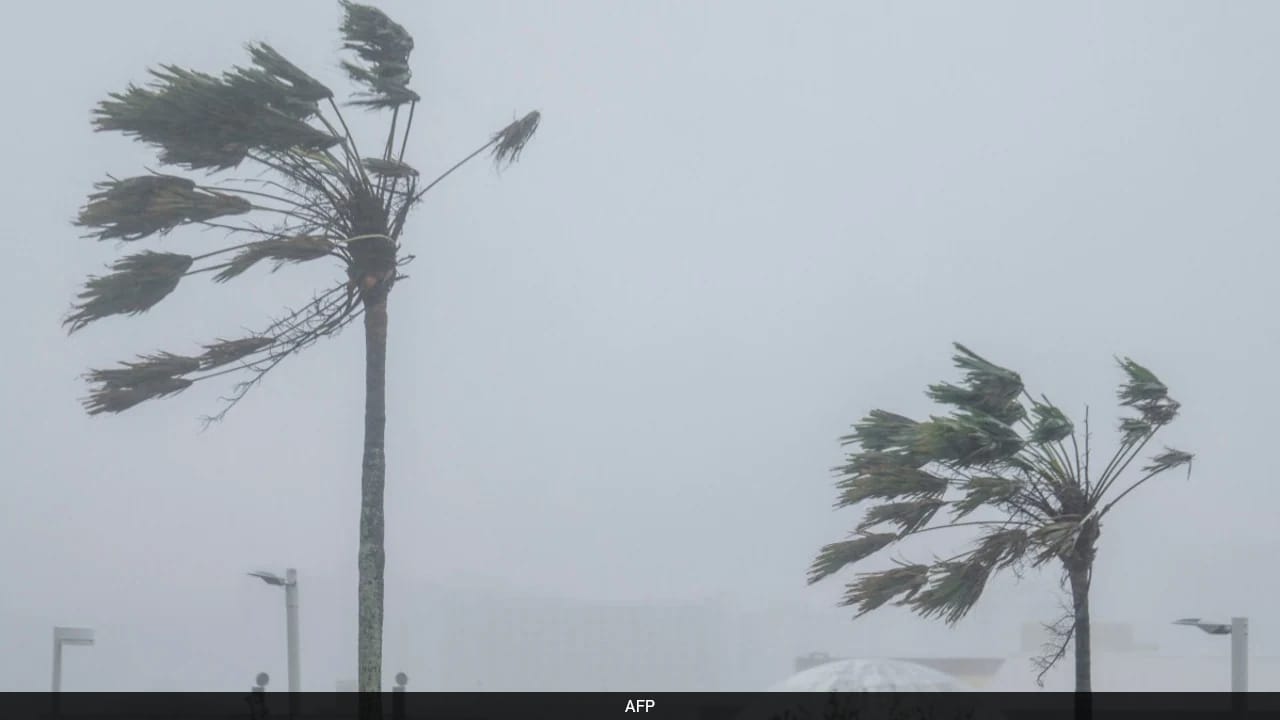
Typhoon Bavi’s ferocious winds prompted China to relocate more than a million residents, while the Philippines suffered 17 fatalities from landslides. Taiwan reported 113 injuries as the storm surged toward the island nation.
मुख्य बिंदु (Key Takeaways)
- Typhoon Bavi impacted China, Taiwan and the Philippines simultaneously.
- China ordered evacuation of over 1 million people as a precautionary measure.
- Heavy monsoon rains in the Philippines caused 17 deaths and numerous injuries.
Typhoon Bavi, a high‑category tropical cyclone, has unleashed widespread disruption across East Asia. In China, authorities activated the most extensive evacuation in recent memory, moving more than one million residents from vulnerable coastal and low‑lying districts of Fujian and Zhejiang provinces. The massive operation leveraged years of disaster‑response experience, integrating satellite‑based forecasting, drone surveillance, and community volunteer networks to minimize loss of life.
Humanitarian Crisis in the Philippines
Before Bavi’s arrival, the Philippines was already grappling with seasonal monsoon downpours that triggered severe flooding and landslides across the mountainous north. Official reports confirm at least 17 deaths, most of them resulting from slope failures in remote barangays where rescue access is notoriously difficult. Local disaster agencies dispatched search‑and‑rescue teams, but treacherous terrain slowed relief efforts, highlighting persistent gaps in infrastructure and early‑warning dissemination.
Taiwan’s Preparedness and Casualties
On the island, Bavi’s gale‑force winds and torrential rain led to 113 reported injuries. The Central Weather Bureau had issued early warnings, prompting the activation of emergency shelters along the western coastline. Health officials rapidly mobilized medical teams to the hardest‑hit districts, preventing the injury count from spiraling into a higher fatality rate.
Future Outlook and Regional Cooperation
Scientists attribute the increasing intensity of storms like Bavi to accelerating climate change, making such events more frequent and destructive. The episode underscores the urgent need for a coordinated regional framework that shares real‑time data, aerial intelligence, and humanitarian resources among China, Taiwan, the Philippines, and neighboring nations. Strengthening these collaborative mechanisms could dramatically reduce the human and economic toll of future cyclones.
Conclusion
Typhoon Bavi has served as a stark reminder that climate‑driven disasters do not respect borders. While China’s pre‑emptive evacuations demonstrate the benefits of robust preparedness, the losses in the Philippines expose lingering vulnerabilities. A decisive shift toward joint disaster‑risk reduction strategies will be essential to safeguard millions of lives across the Asia‑Pacific.


