Iran has once again announced the closure of the Strait of Hormuz, while the United States maintains that the strategic waterway remains open and under no Iranian authority. The conflicting statements heighten uncertainty across the Gulf region.
Key Takeaways
- Iran declares the Strait of Hormuz closed
- US insists the strait stays open and Iran has no authority
- Regional tensions could disrupt global shipping and oil markets
Iran’s Persian Gulf Strait Authority (PGSA), an agency created in May to regulate traffic through the Hormuz passage, announced that vessels would be barred from transiting due to what it described as “illegal movements” by U.S. forces. The declaration follows a series of missile and drone attacks launched by Tehran on Jordan, Kuwait, Oman and Qatar in retaliation for recent U.S. strikes.
Strategic Context
The Strait of Hormuz is a chokepoint through which roughly 20% of the world’s oil supply passes. Senior Iranian adviser Mohsen Rezaee, a former IRGC commander, has called the waterway “more valuable than dozens of atomic bombs,” framing it as a core component of Iran’s defence doctrine.
U.S. Counter‑Statement
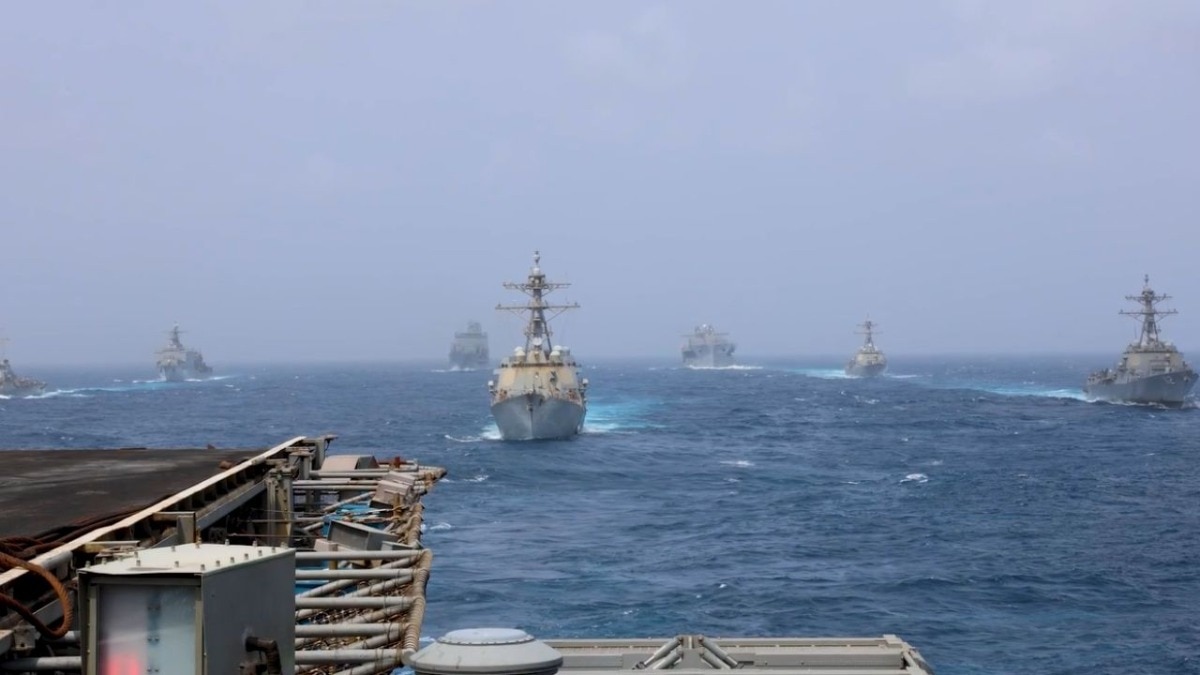
Washington quickly dismissed Tehran’s claim, stating that the strait remains open to all lawful vessels and that U.S. forces are positioned to protect freedom of navigation. U.S. Central Command reported that commercial traffic continues unabated, despite repeated Iranian threats.
Regional Ripple Effects
The divergent narratives have triggered market jitters, with shipping firms monitoring the Gulf for potential disruptions. Qatar, Oman and Bahrain have issued advisories urging vessels to remain vigilant against possible drone or missile interceptions. The United Arab Emirates also reported heightened security measures along its coastline.
Future Outlook
If Iran attempts to enforce its closure, the U.S. Navy is likely to increase maritime patrols and may consider alternative routing options, such as the southern bypass near Oman. Diplomatic channels remain open, but the stakes are high: a prolonged shutdown could reverberate through global energy prices and supply chains.


