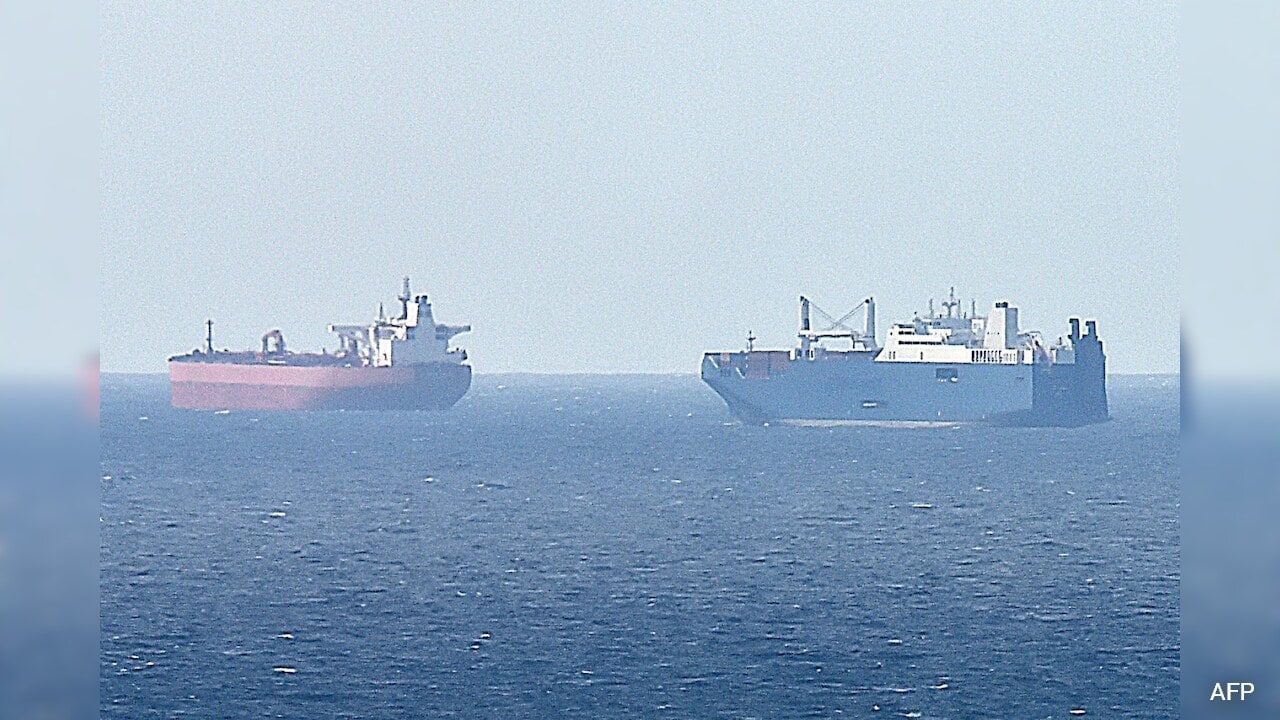
U.S. Central Command affirmed that the Strait of Hormuz remains an open international waterway, with American forces positioned to protect it, despite Iran’s claim of closure amid rising West Asian tensions.
Key Takeaways
- The Strait of Hormuz remains an international waterway.
- U.S. forces are deployed and ready to maintain safe passage.
- Iran’s closure claim threatens global shipping and oil markets.
On Sunday, July 12, 2026, the United States Central Command (CENTCOM) posted on X that vessel traffic continues unabated through the Strait of Hormuz. The statement directly counters Iran’s recent declaration that it had shut the strait, a claim made amid a fresh flare‑up in the West Asian conflict.
Strategic and Economic Significance
The Strait of Hormuz, a narrow passage between Oman’s Musandam Peninsula and Iran, is a linchpin of global energy logistics. Roughly 20% of the world’s petroleum—both crude and refined—transits this waterway daily, alongside significant volumes of liquefied natural gas. Under the United Nations Convention on the Law of the Sea (UNCLOS), it is classified as an international strait, meaning no single nation may unilaterally restrict passage.
Iran’s Claim and International Reaction
Iran’s Islamic Revolutionary Guard Corps (IRGC) issued a statement asserting that the strait would be closed, warning of potential spikes in oil prices and heightened regional instability. CENTCOM swiftly rebutted, emphasizing that "Iran does not control the strait. Traffic is flowing." Allied nations and maritime organizations echoed this stance, warning that any attempt to impede the free flow of commerce would violate international law.
U.S. Military Posture
U.S. officials confirmed that naval assets—including carrier strike groups, destroyers, and air‑defense units—are already positioned in the vicinity of the strait. Their mission is two‑fold: protect commercial shipping and deter any aggressive actions that could jeopardize the waterway’s openness. This forward presence underscores America’s commitment to maintaining stability in a region where strategic interests intersect with volatile geopolitics.
Potential Fallout
If Iran persists with its closure threat, the repercussions could ripple through global oil markets, triggering price surges and forcing shippers to seek longer, costlier routes around the Arabian Sea. Moreover, a prolonged disruption could embolden other regional actors to challenge the status quo, further complicating diplomatic efforts aimed at de‑escalation. International bodies such as the United Nations and the International Maritime Organization are closely monitoring the situation, urging all parties to respect the strait’s international status.
In sum, the Strait of Hormuz remains open, safeguarded by a robust U.S. naval presence, while Iran’s rhetoric adds another layer of uncertainty to an already fragile West Asian security environment.