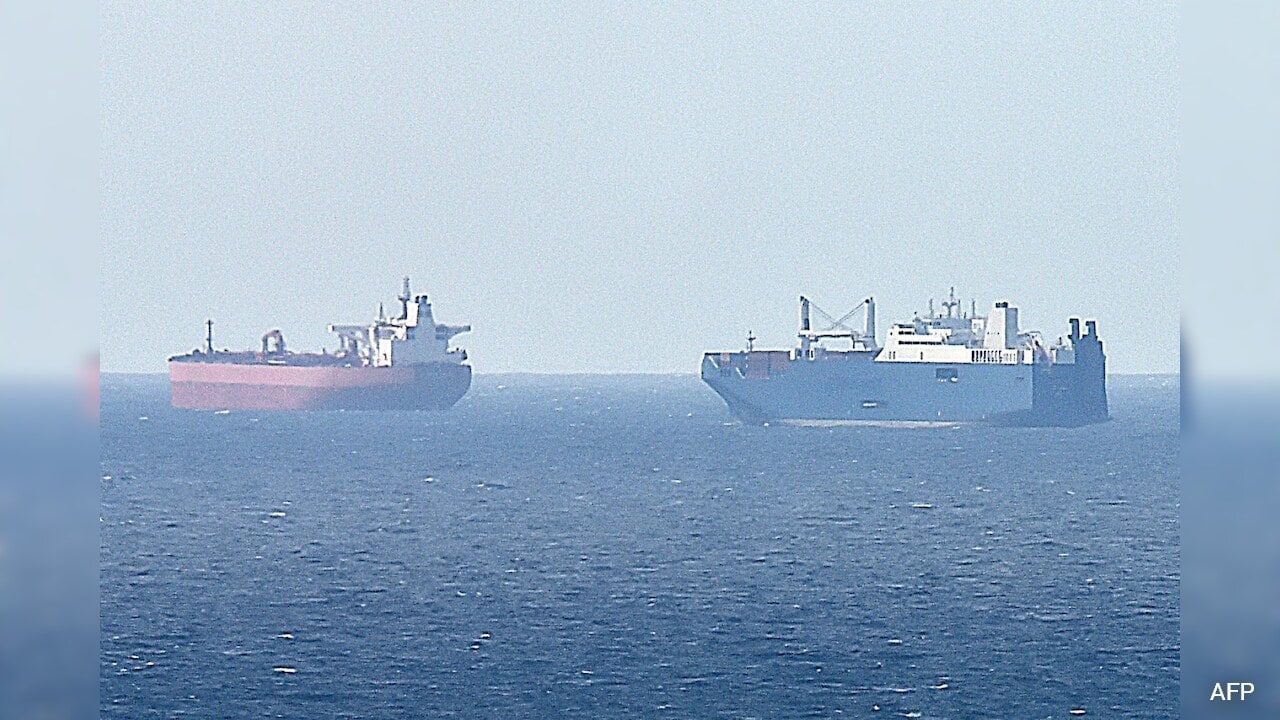
A US official confirmed targeted strikes on Iran's missile, air‑defence systems and Revolutionary Guard vessels, aiming to curb Tehran's ability to threaten commercial shipping. The operation has heightened the already volatile standoff in the strategic waterway.
Key Takeaways
- US forces hit Iranian missile and air‑defence assets.
- Commercial shipping through the Strait of Hormuz faces heightened risk.
- US‑Iran negotiations edge closer to collapse amid escalating regional threats.
In a coordinated overnight operation on July 13, 2026, the United States military launched a fresh wave of airstrikes against multiple Iranian installations. The strikes, aimed at missile batteries, air‑defence systems and paramilitary Revolutionary Guard boats, were intended to further degrade Tehran’s capacity to target commercial vessels transiting the Strait of Hormuz.
Background and Immediate Trigger
The Strait of Hormuz, a chokepoint through which roughly a fifth of the world’s oil passes, has become the focal point of a fragile 60‑day interim agreement between Washington and Tehran. The latest US action follows an Iranian missile attack on a container ship the previous day, which prompted Washington to respond with a series of retaliatory air raids.
Regional Ripple Effects
Neighboring Gulf states reacted with heightened alerts. Qatar reported intercepting Iranian projectiles, while explosions were heard in the United Arab Emirates, Bahrain, and Kuwait. Oman summoned Iran’s ambassador to protest the strikes, marking the first diplomatic protest of its kind since the conflict began.
Global Implications and Outlook
United Nations Secretary‑General António Guterres warned that a full‑scale resumption of hostilities would have “catastrophic consequences” for global energy markets and regional stability. The interim deal, designed to pave the way for a permanent cease‑fire, now hangs by a thread as both sides exchange blows and rhetoric.
Analytical Perspective
Strategists argue that the escalating tit‑for‑tat threatens to push the Hormuz corridor into a de‑facto war zone, jeopardising not only regional trade but also the broader world economy. Unless diplomatic channels are reopened with genuine concessions, the risk of a broader Middle Eastern conflagration remains high.