An Indian IT professional chose to leave the U.S. after an H‑1B visa stamping trip, citing family proximity, easier networking, and visa‑free stability as positives, while confronting infrastructure, traffic, and pollution challenges in India.
Key Takeaways
- Family closeness and smoother networking motivated the return
- India's infrastructure, traffic, and pollution pose daily hurdles
- Making India an attractive destination, not just a duty, is essential for future returnees
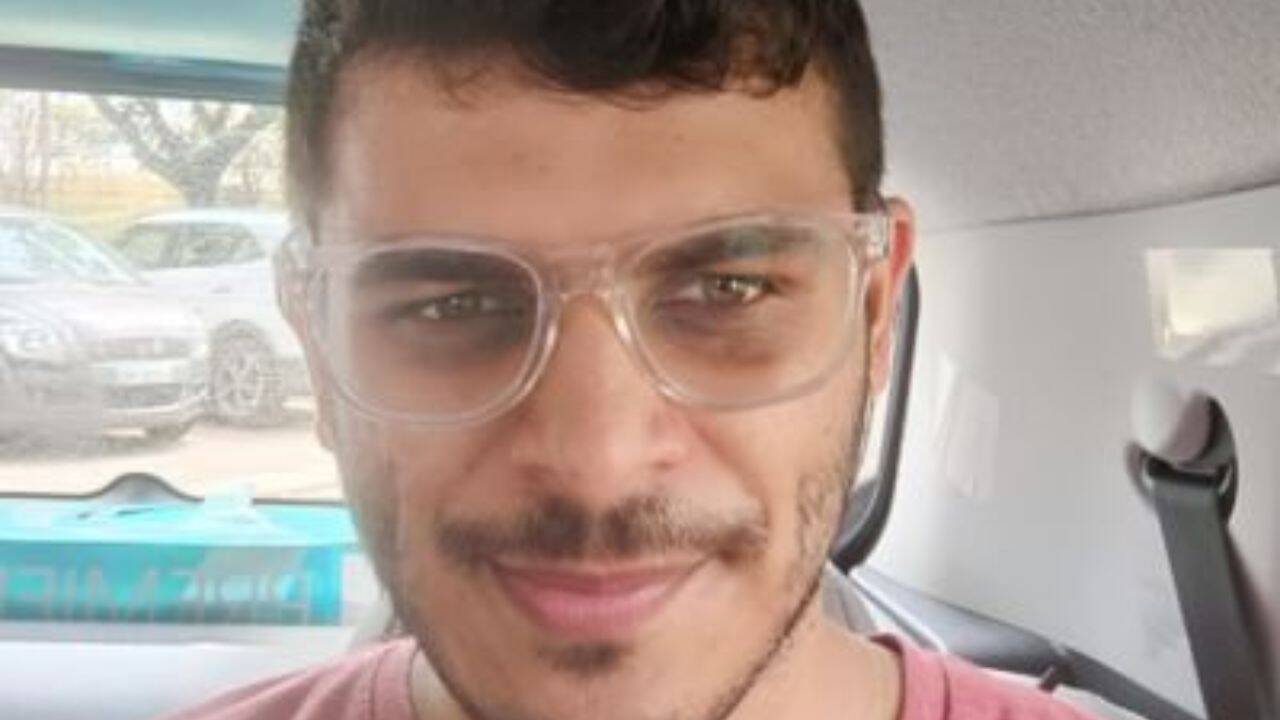
An Indian IT professional recently disclosed that he left the United States after an H‑1B visa stamping trip and moved back to India. The statement was made in response to an open letter by Zoho founder Sridhar Vembu, urging Indians abroad to consider returning home.
Reason Behind the Return
The decision originated six years ago during that stamping visit, when a conversation with his uncle prompted a rethink. His uncle asked, “If you eventually want to create something of your own, why not do it in India? Create value here.” This sparked a shift in perspective, and six months later the professional relocated back to India.
Positive Aspects of Coming Home
He highlighted the biggest upside as being closer to family—spending more time with parents, celebrating festivals with relatives, and enjoying a richer social life. Professionally, he finds building connections far easier: “One phone call opens doors that would take months of LinkedIn outreach in Chicago or the Bay Area.” The relief of no longer living under visa or green‑card uncertainty was also a major factor.
Challenges Faced After Returning
Nevertheless, he enumerated several everyday difficulties. Infrastructure woes dominate his commute: roads are repeatedly dug up for water, cables, drainage repairs, and resurfacing, often for nine months a year. Business processes are sluggish, with permits taking longer than expected and frequent inspections adding friction.
Traffic congestion inflates a 20‑minute commute to an hour, and poor air quality forces him to purchase air purifiers for every room. Housing affordability, quality schooling, public spaces, and constant disruptions—blocked footpaths, loudspeakers, and traffic—further complicate life.
Looking Ahead
Despite these issues, he does not regret his decision. He believes the equation of family, opportunity, and a desire to contribute to India worked in his favor. He advises diaspora members to weigh their trade‑offs carefully and urges that India must become a place worth coming to, not merely a place we owe ourselves to.