Fifteen Indian tourists who perished in a speedboat capsizing off Vietnam's Phu Quoc Island have been repatriated to Mumbai. Victims hailed from Tamil Nadu, Andhra Pradesh and Kerala, while one survivor remains hospitalized abroad.
Key Takeaways
- 15 Indian tourists died in a speedboat accident near Phu Quoc, Vietnam
- Remains arrived at Mumbai's Chhatrapati Shivaji International Airport
- One Indian survivor is still receiving treatment in Vietnam
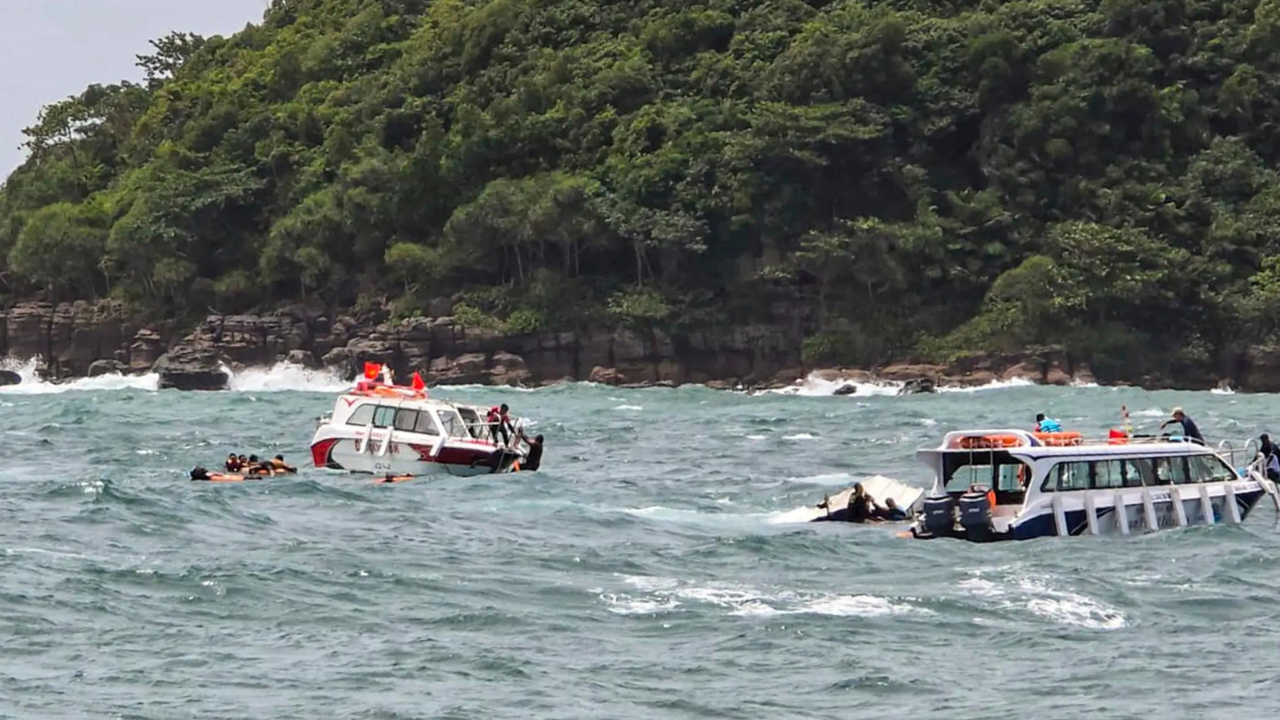
A speedboat carrying 32 Indian tourists and four Vietnamese crew members capsized near Hon May Rut Ngoai, off Phu Quoc Island, on Friday. The tragedy claimed the lives of 15 Indian nationals – ten from Tamil Nadu, three from Andhra Pradesh and two from Kerala – while the remaining passengers were rescued.
Repatriation and Diplomatic Response
On Monday, a Vietnam Airlines flight from Ho Chi Minh City delivered the bodies to Mumbai’s Chhatrapati Shivaji Maharaj International Airport. The Indian Embassy, via a post on X, thanked Vietnamese friends for their condolences, prayers, and hands‑on assistance, noting that such solidarity provided strength during an “extreme hour of grief.” The embassy also praised Vietnamese authorities for facilitating the swift repatriation process.
Condition of the Remaining Survivor
Among the 16 rescued Indian tourists, one 49‑year‑old man remains in critical condition in a Phu Quoc hospital. He suffered severe lung damage after nearly drowning, along with shock, multiple injuries and brain bleeding. According to the Associated Press, he underwent a successful medical procedure on the evening of the accident and has since been transferred to a hospital in Ho Chi Minh City, where his family has also arrived.
Investigation and Legal Action
Vietnamese authorities have launched an investigation to determine the cause of the capsizing, which is still under review. VN Express International reported that the speedboat operator was detained on Sunday. Phu Quoc, Vietnam’s largest island, is a premier tourist destination known for its white‑sand beaches, coral reefs, and island‑hopping tours, making the incident a stark reminder of safety challenges in high‑traffic leisure zones.
Implications for International Travel Safety
The tragedy underscores the urgent need for stricter oversight of tourist vessels, enhanced crew training, and real‑time weather monitoring. Indian officials have reiterated advisories urging travelers abroad to adhere to local regulations and book tours through reputable agencies. Experts argue that robust regulatory frameworks and rapid emergency response mechanisms are essential to prevent similar loss of life in the future.