Iran-backed Houthis in Yemen launched a major strike against Saudi Arabia on Monday, simultaneously claiming responsibility for a recent attack on Sanaa airport. The escalation marks the most significant flare‑up in years, threatening to destabilise the long‑frozen conflict.
Key Takeaways
- Houthis launched missile and drone attacks on Saudi targets.
- The group claimed responsibility for a strike on Sanaa airport.
- The escalation raises the risk of wider regional involvement and renewed diplomatic pressure.
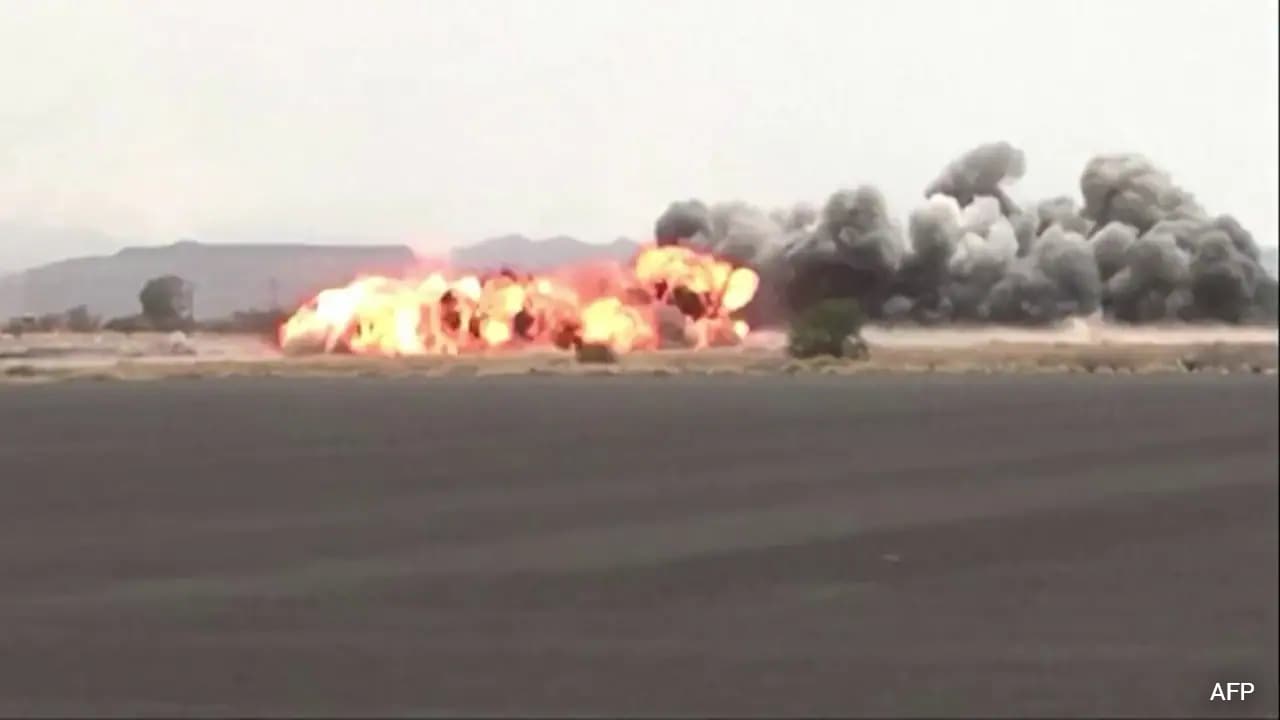
Iran‑backed Houthi rebels in Yemen announced a coordinated strike against multiple Saudi military installations on Monday, while also taking credit for a recent assault on Sanaa airport – an airfield that the Saudi‑backed Yemeni government had previously accused the kingdom of targeting.
Historical Context
The Houthi movement, which emerged in 2004, seized control of Yemen’s capital in 2014‑2015, sparking a coalition‑led Saudi‑Arabian intervention aimed at restoring the internationally recognised government. The ensuing war has produced one of the world’s worst humanitarian crises, with millions displaced, famine‑stricken, and dependent on aid.
Recent Developments
Saudi officials reported that Houthi forces launched a series of rockets and drones, striking near Riyadh and other strategic sites. In a swift counter‑narrative, the Houthis announced that they had successfully hit Sanaa airport, temporarily disrupting civilian and military flights. This dual‑claim narrative reflects a sharp intensification of hostilities, eclipsing the low‑intensity exchanges that have characterised the conflict for the past several years.
International Reaction and Potential Outcomes
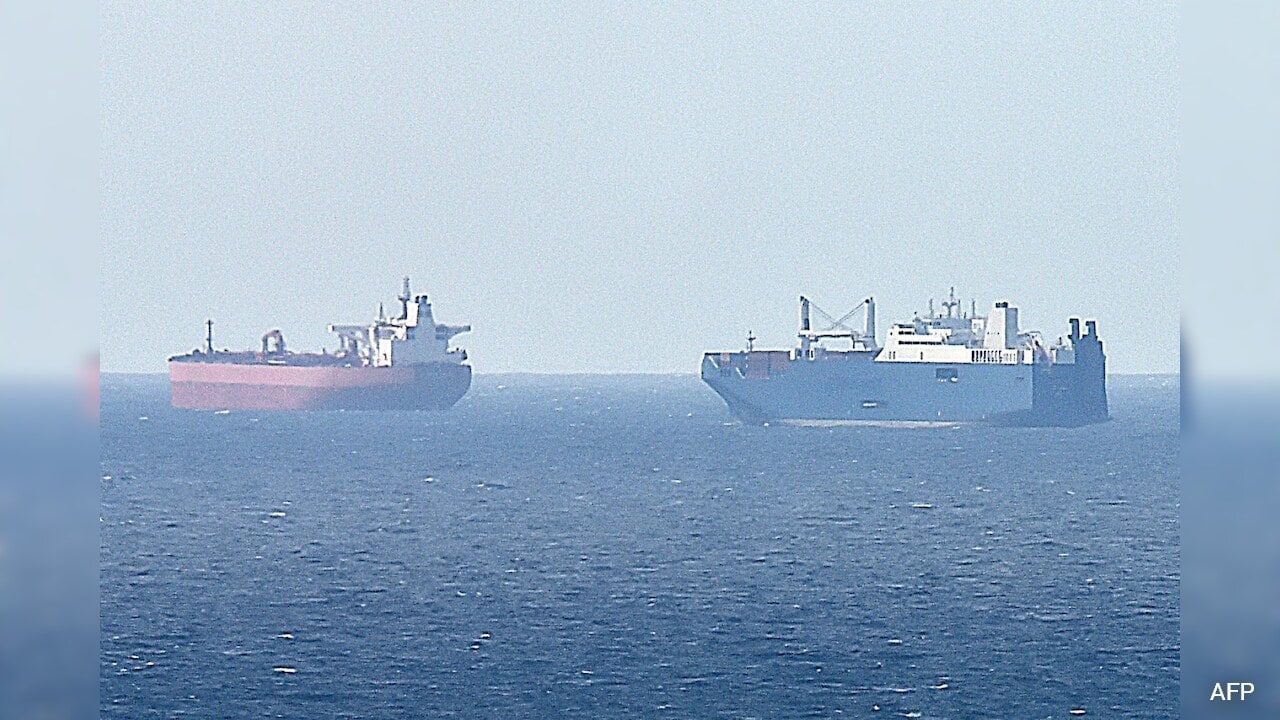
The United Nations, alongside the European Union, called for an immediate cease‑fire and urged both parties back to the negotiating table. Analysts warn that a further escalation could jeopardise the security of vital oil‑shipping lanes in the Red Sea and Gulf of Aden, while also compounding the already dire humanitarian situation.
Implications for Regional Stability
If the Houthis continue to target Saudi assets, the risk of a broader regional confrontation grows, potentially drawing in additional Gulf states and external powers. Conversely, the heightened pressure might force the warring sides to reconsider diplomatic avenues, especially as global powers seek to prevent a spill‑over that could disrupt world energy markets.
Conclusion
The latest Houthi attacks underscore a dangerous escalation in the Yemen‑Saudi rivalry, marking a pivotal moment that could reshape the conflict’s trajectory. Whether this leads to renewed peace talks or further bloodshed will hinge on the response of regional actors and the international community’s willingness to intervene decisively.