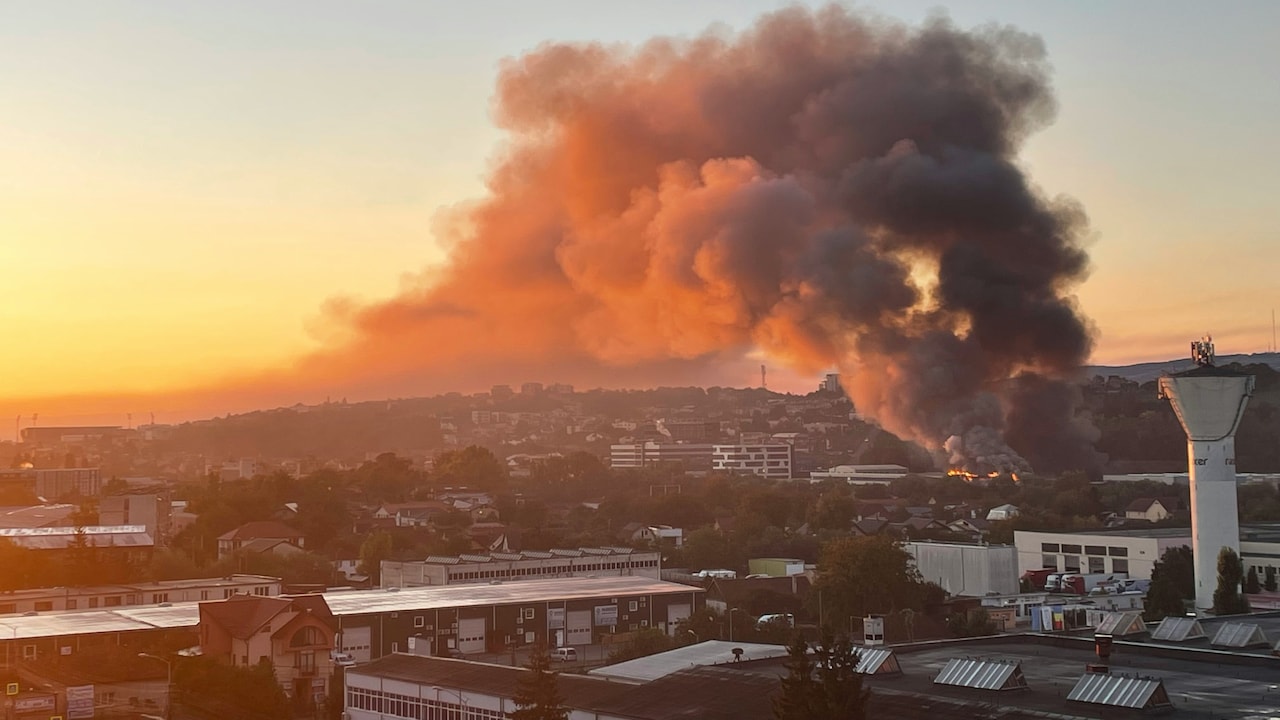
The U.S. military launched a series of precision strikes against Iran on Sunday, while Tehran alleges that its forces destroyed a U.S. drone fleet in Bahrain. The moves aim to blunt Iran's ability to target international shipping through the Strait of Hormuz.
Key Takeaways
- U.S. forces hit dozens of targets across multiple sites with precision munitions
- The objective is to degrade Iran's capacity to attack shipping in the Strait of Hormuz
- Iran claims it destroyed a U.S. drone fleet stationed in Bahrain
On Sunday, the United States military escalated its campaign against Iran, conducting a coordinated wave of airstrikes that targeted “dozens of targets at multiple locations,” according to U.S. Central Command (Centcom). The strikes employed precision‑guided munitions designed to diminish Tehran’s ability to launch further attacks on commercial vessels transiting the strategically vital Strait of Hormuz.
Strategic Context
The Hormuz corridor is one of the world’s most crucial maritime chokepoints, funneling roughly 20% of global oil shipments each day. Over the past months, Iran‑aligned militias have repeatedly employed drones and missiles against tankers, prompting heightened alerts among shipping companies and governments alike. By striking at launch sites, radar installations, and missile depots, the U.S. hopes to disrupt the logistics chain that fuels these maritime threats.
Iran’s Counter‑Narrative
Simultaneously, Iranian officials announced that they had destroyed a U.S. drone fleet stationed in Bahrain—a key hub for American forces in the Gulf. Tehran framed the claim as evidence of its growing defensive capability and as a warning against further U.S. interference. Bahrain, home to the U.S. Fifth Fleet, is portrayed by Tehran as a legitimate target in its broader anti‑American stance.
Potential Long‑Term Ramifications
Security analysts warn that this tit‑for‑tat escalation could spark a new arms‑race in the region. If Iran’s assertion proves credible, it could undermine confidence in U.S. unmanned aerial systems and force a reassessment of future operational doctrines. Moreover, heightened risk to commercial shipping may prompt rerouting of vessels, inflating freight costs and reverberating through global energy markets.
International Reactions
The United Nations and the European Union have urged restraint, emphasizing the need to keep the Strait of Hormuz open for trade. China, with significant energy imports passing through the waterway, has called for diplomatic engagement to de‑escalate tensions.