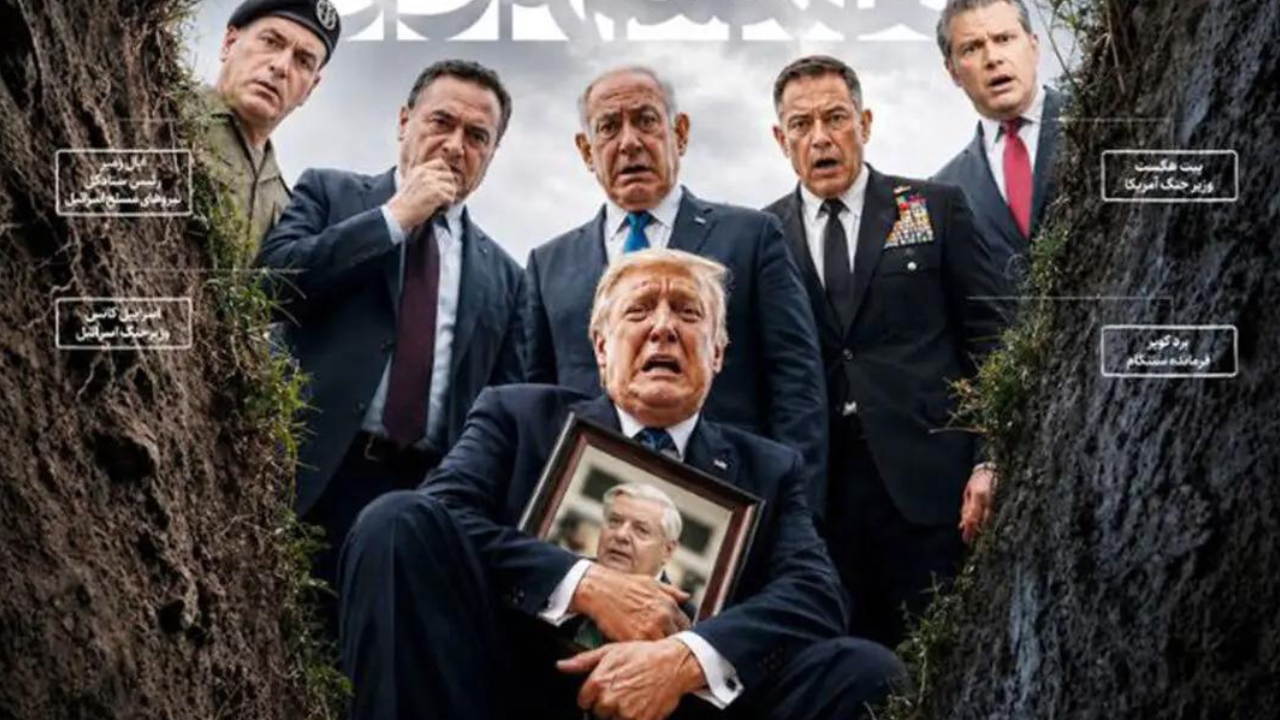
Iranian newspapers prominently featured the sudden death of US Senator Lindsey Graham, framing it as a veiled warning to American leadership. The coverage reignited US‑Iran tensions and sparked speculation among Trump supporters.
Key Takeaways
- Iranian outlets highlighted Lindsey Graham’s death as a "sudden death" headline.
- Multiple publications used the story to deliver a subtle warning to US leaders.
- The narrative fueled new conspiracy theories among Trump supporters and heightened diplomatic strain.
Iran’s leading dailies placed the unexpected passing of Senator Lindsey Graham front‑and‑center, turning an obituary into a political statement. Headlines described him as the "Merchant of Death" and claimed he was "sent to hell," language that clearly signals a retaliatory tone toward the United States.
Background and Historical Context
Graham, a senior Republican senator, has long been a vocal critic of Iran’s nuclear program and a staunch advocate for a hard‑line U.S. stance. Over the past decade, he has sponsored legislation that tightened sanctions and supported military posturing in the Persian Gulf. His reputation in Tehran is that of a principal architect of policies perceived as aggressive, making his name a frequent target of Iranian rhetoric.
The Media Warning
Amid escalating tensions—ranging from oil market disputes to proxy conflicts in Syria and Yemen—Iranian media seized the moment to issue a thinly‑veiled warning. By framing Graham’s illness and death as a “sudden death,” several papers suggested that the fate of U.S. leaders could follow a similar trajectory if Washington continues its current course. State‑run broadcasters echoed the sentiment, emphasizing that the deceased had been "sent to hell."
Potential Impact and Analysis
The coverage quickly spread on social media, where Trump‑aligned groups began speculating about possible Iranian involvement or an ominous omen for the administration. While no concrete evidence links the death to any covert operation, the narrative underscores how media can amplify geopolitical friction. Analysts warn that such symbolic messaging may harden public opinion on both sides, reducing the space for diplomatic engagement.
Looking Ahead
Experts suggest that Iran’s strategic use of media—combining official statements with provocative headlines—will likely continue as a tool of soft power. If diplomatic channels remain closed, these information‑war tactics could intensify, potentially influencing policy decisions in Washington and Tehran alike.