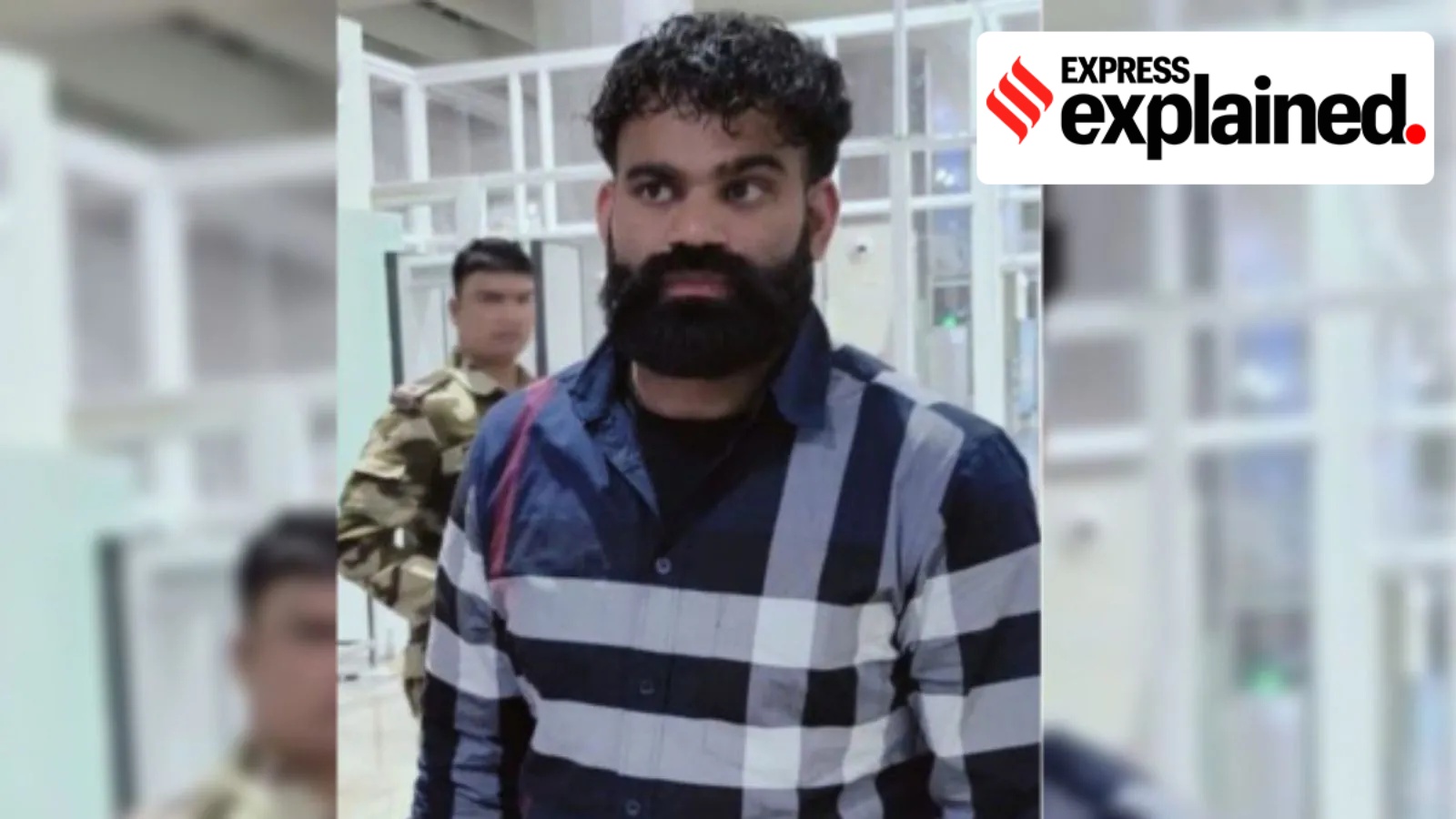
Former associate of Lawrence Bishnoi, Jaggu Bhagwanpuria, now sits at the heart of a 44‑page US federal indictment. This piece traces his evolution from a Punjab village to a transnational network spanning the US, Canada and beyond.
Key Takeaways
- Jaggu Bhagwanpuria allegedly ran a transnational crime network from prison.
- The FBI indictment cites over 1,000 members across five continents.
- Social media was leveraged for recruitment and money laundering.
Jaggu Bhagwanpuria, born Jagdeep Singh in the remote village of Bhagwanpur, Gurdaspur, began as a promising kabaddi player before his first brush with the law in 2012 – a narcotics case involving 28 grams of heroin. Though later acquitted, the case marked his entry into organized crime. Over the next decade, more than 128 FIRs were lodged against him for murder, extortion, arms violations and drug offenses, and he spent extensive periods in Punjab jails such as Patiala, Goindwal Sahib and Bathinda. In March 2025, the Narcotics Control Bureau moved him to the high‑security Silchar Central Jail in Assam, aiming to sever his Punjab connections.
From Ally to Arch‑Rival
Initially a close confidant of Lawrence Bishnoi, Bhagwanpuria was implicated alongside his former partner in a plot to assassinate popular Punjabi rapper Sidhu Moosewala in May 2023. The partnership unraveled in February 2023 when a violent clash inside Goindwal Sahib Central Jail resulted in the deaths of Bhagwanpuria’s lieutenants Mandeep Singh (Tufan) and Manmohan Singh (Mohna). Bishnoi’s associate Goldy Brar claimed responsibility on Facebook, signalling a strategic split over control of extortion rackets, contract killings, narcotics routes and overseas networks.
Global Expansion and the US Indictment
U.S. prosecutors allege that Bhagwanpuria founded the “Bhagwanpuria Organised Crime Group,” a syndicate with more than 1,000 members spread across India, Canada, the United States, the United Kingdom, Europe, Australia and New Zealand. California emerged as a pivotal hub where cocaine, methamphetamine and heroin were moved across state lines before being funneled into Canada. The FBI’s Sacramento field office first issued a warning in May 2024, urging the Punjabi diaspora to report extortion attempts targeting real‑estate developers, liquor contractors and local businessmen.
Recruitment via Instagram and Money Laundering
The indictment claims the gang deliberately courted economically vulnerable youth—and even minors—through Instagram, promising quick cash, status and a pathway abroad. Loyal recruits were allegedly flown to Canada, the United States or the United Kingdom to become operational nodes for drug trafficking, firearms movement and money‑laundering. Punjab police have previously highlighted Instagram as a recruitment conduit; in 2023, a Ludhiana range officer disclosed that three members of an international Bhagwanpuria‑linked cell were recruited via the platform. Social media also served as a weapon, with threats, murder claims and glorifying images circulated to intimidate victims and attract fresh members.
Implications for Law Enforcement and Bilateral Cooperation
Bhagwanpuria’s case underscores the challenges faced by Indian authorities in curbing criminal enterprises that operate beyond physical borders. If the U.S. indictment leads to a successful extradition or conviction, it could pressure Indian courts to tighten monitoring of inmate communications and strengthen Indo‑U.S. intelligence sharing. Moreover, the case may prompt a reevaluation of how diaspora communities are protected from transnational extortion and how social‑media platforms are regulated in the context of organized crime.