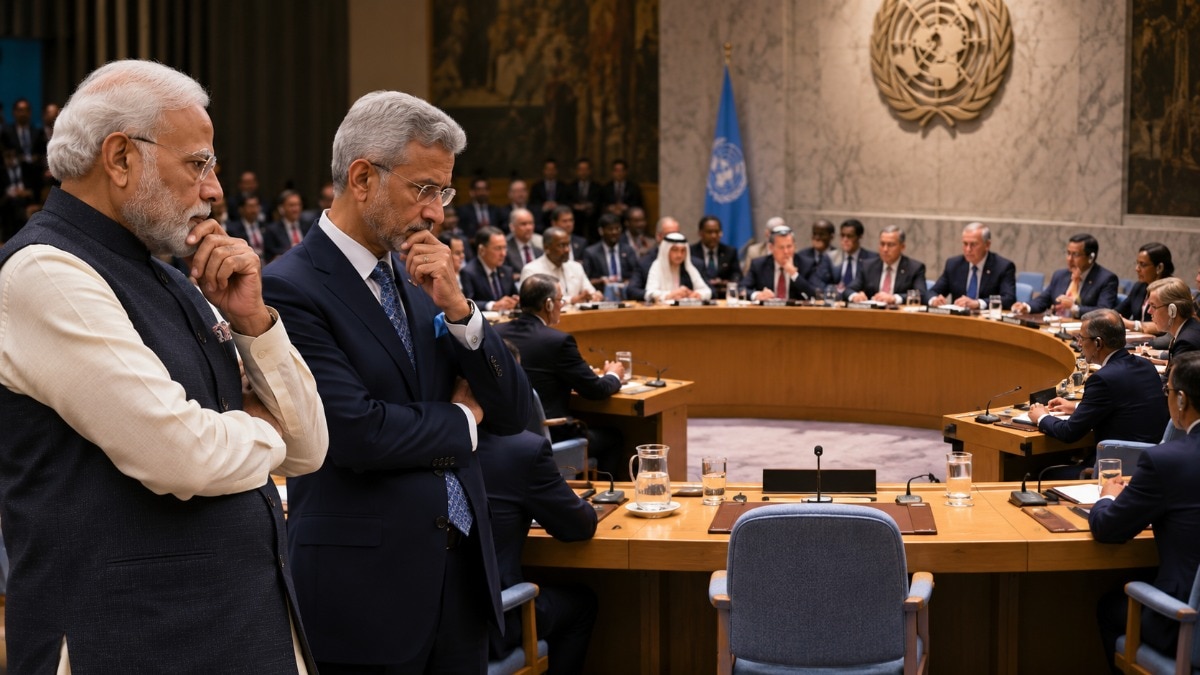
Foreign Minister S. Jaishankar has launched India's campaign for a non‑permanent seat on the UN Security Council for the 2028‑29 term. With Tajikistan in the race and shifting geopolitics, the contest is tougher than ever. Will India clinch the two‑thirds majority needed?
Key Takeaways
- India is campaigning for a non‑permanent UN Security Council seat for 2028‑29.
- Tajikistan's entry turns the Asia‑Pacific seat into a tightly contested race.
- Securing a two‑thirds majority requires outreach across Africa, Latin America, the Caribbean and the Arab world.
Foreign Minister S. Jaishankar formally inaugurated India’s bid ahead of the 82nd session of the United Nations General Assembly in 2027. While the immediate goal is a two‑year non‑permanent seat, the campaign also serves a broader ambition: strengthening India’s case for permanent membership in a reformed Security Council.
Historical Context
India has served eight terms as a non‑permanent member, yet its quest for a permanent seat has been a cornerstone of its foreign policy. Established after World War II, the Council is increasingly viewed as out‑of‑step with today’s multipolar world, prompting India to call for expansion of both permanent and non‑permanent memberships.
Competitors and Challenges
Tajikistan’s entry for the Asia‑Pacific seat adds a new layer of competition. The Central Asian nation is likely to draw support from the Organisation of Islamic Cooperation (OIC), meaning India must win over Muslim‑majority states across several regions, including Africa, Latin America, the Caribbean and the Arab world.
Geopolitics Shaping UN Votes
Recent UN elections have shown that geopolitical alignments now heavily influence voting patterns. Germany’s recent setback highlighted how positions on conflicts such as Gaza and Ukraine can sway the Global South and Arab bloc. For India, maintaining balanced support across divergent regional stances on these issues is a critical diplomatic hurdle.
Future Implications
Securing the required two‑thirds majority would not only grant India a two‑year term but also reinforce its argument for a permanent seat in a reformed Council. Pakistan’s renewed diplomatic visibility—currently serving as a non‑permanent member—adds another strategic variable. Ultimately, the outcome hinges on each of the 193 member states casting an equal vote, rather than the backing of any single great power.

