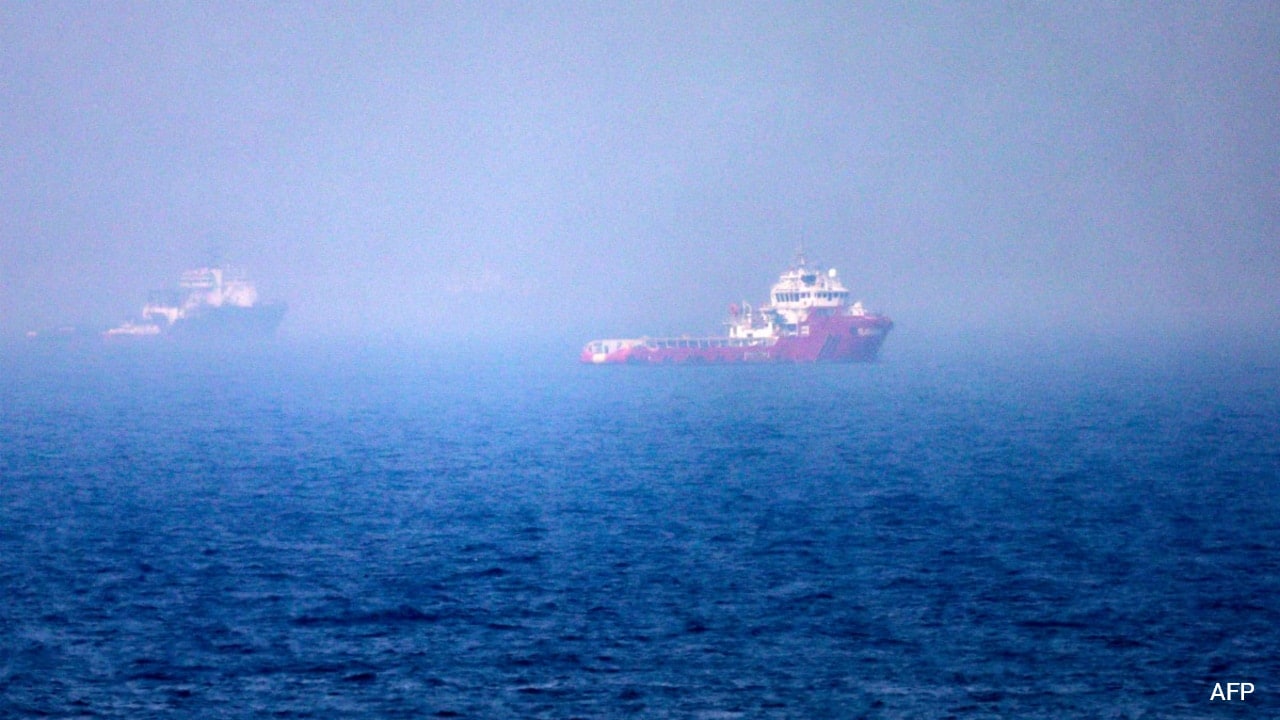
The United States launched attacks on Iran alongside Israel on February 28, and President Trump alerted Congress that a naval blockade on Iranian shipping will be reinstated.
मुख्य बिंदु (Key Takeaways)
- The U.S. began military action against Iran on February 28, in coordination with Israel.
- President Trump sent a formal notice to Congress, re‑imposing the maritime blockade on Iranian vessels.
- The administration pledged to keep the Strait of Hormuz open for international shipping.
On February 28, the United States, together with Israel, initiated a series of air and naval strikes against Iran, marking a sharp escalation in an already volatile region. The following Monday, President Donald Trump delivered a formal notice to Congress, stating that the U.S. Navy would once again enforce a blockade on Iranian shipping in the Persian Gulf.
Re‑instating the Blockade: Why It Matters
The original sanctions on Iran were lifted in 2015 under the Joint Comprehensive Plan of Action (JCPOA). However, the Trump administration withdrew from the deal in 2018 and reinstated economic penalties. Two years later, with Tehran accelerating its nuclear enrichment and expanding regional influence, Washington has revived the maritime restrictions, targeting oil and gas tankers that could destabilize global energy markets.
Strategic Significance of the Strait of Hormuz
The Strait of Hormuz is one of the world’s most critical oil chokepoints, handling roughly 20% of daily global oil flow. Trump emphasized that the U.S. Navy will keep the strait open, ensuring safe passage for commercial vessels while signaling a firm stance against Iranian aggression. This promise serves both as a deterrent to Tehran and reassurance to U.S. allies in the region.
International Reactions and Potential Fallout
While Iran has yet to issue a definitive response, analysts predict a surge in Israel‑Iran tensions and the risk of broader regional conflict. European capitals have expressed alarm, urging diplomatic channels to de‑escalate the situation. Meanwhile, Russia and China, long‑time partners of Tehran, have called for restraint and highlighted the need for a negotiated settlement.
Congressional Oversight and Future Outlook
Congress now faces the task of reviewing the administration’s latest military posture, including funding, legal authority, and potential escalation scenarios. Should lawmakers endorse the plan, the United States may solidify a long‑term military presence in the Gulf, shaping future negotiations with Iran. The global community must therefore intensify diplomatic efforts to prevent a protracted crisis that could reverberate across energy markets and geopolitical alliances.