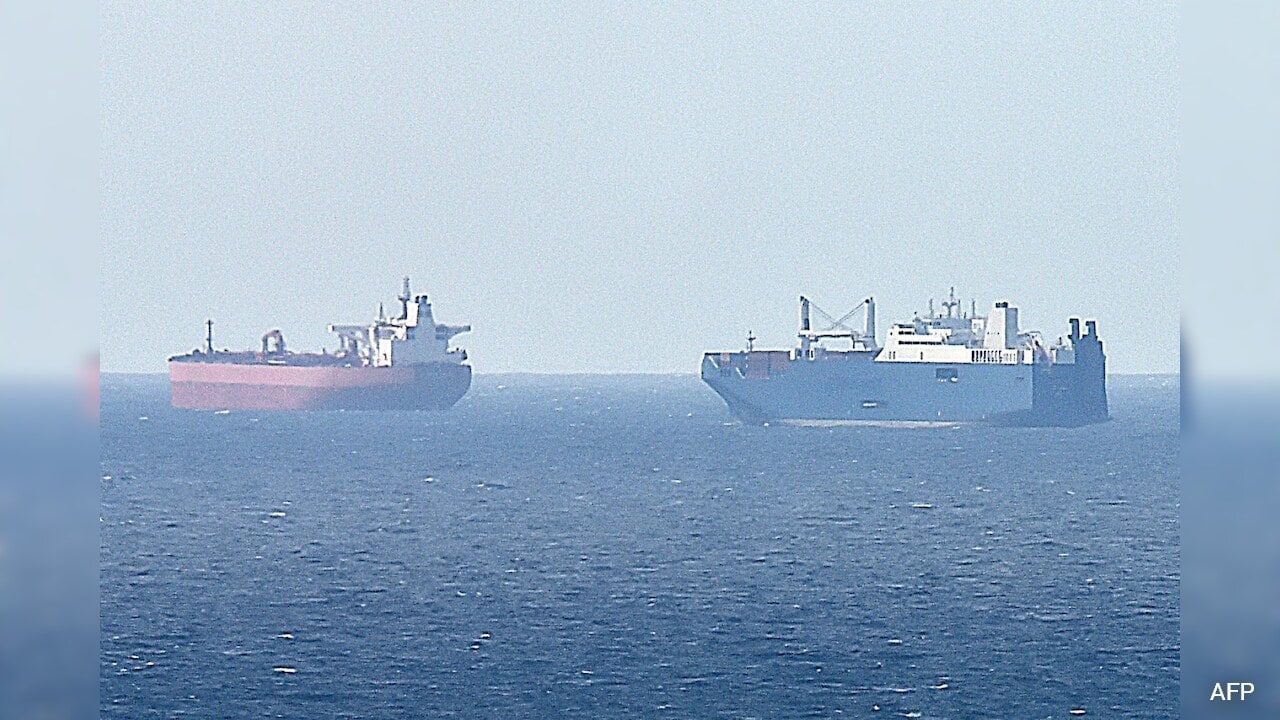
Amid rising West Asian tensions, President Trump has imposed a fresh blockade on Iranian shipping through the Strait of Hormuz. The move threatens the newly signed US‑Iran peace pact as both nations exchange fresh aerial and naval strikes.
Key Takeaways
- Trump reinstates a maritime blockade on Iranian vessels in the Strait of Hormuz.
- The US‑Iran peace agreement faces renewed pressure amid fresh strikes.
- Potential volatility in global energy markets and regional security.
On July 13, President Donald Trump announced the re‑imposition of a maritime blockade targeting Iranian shipping in the strategically vital Strait of Hormuz, intensifying the already fragile US‑Iran relationship. The United States deployed naval assets to interdict Iranian oil tankers, while Tehran responded with another aerial strike, marking a sharp escalation in hostilities.
Background and the Fragile Accord
The June 2026 US‑Iran peace agreement promised the easing of sanctions in exchange for limits on Tehran’s nuclear program. However, Trump’s administration has consistently expressed skepticism toward the deal, citing concerns over Iran’s regional behavior. Earlier in 2025, the United States had imposed temporary restrictions on Hormuz traffic, causing a brief spike in oil prices and highlighting the waterway’s leverage.
Strategic Importance of the Strait
The Strait of Hormuz carries roughly 20% of the world’s oil shipments, making it a critical chokepoint for global energy security. By restricting Iranian vessels, the blockade risks disrupting oil flow, inflating prices, and increasing insurance premiums for commercial shipping—a ripple effect felt across global markets.
Regional Reactions and Potential Outcomes
Allies such as Israel, Saudi Arabia, and the United Arab Emirates have condemned the move, while the European Union urged diplomatic restraint. Iran, meanwhile, has vowed to increase its naval presence and reaffirmed its right to free navigation under international law. Analysts warn that the escalation could spill over into broader regional conflict, potentially triggering refugee flows and humanitarian crises.
Looking Ahead
If diplomatic channels remain closed, the blockade may be challenged under international maritime law, inviting legal disputes and broader geopolitical contestation. Moreover, the action could shift the strategic calculus of major powers like China and Russia, which are deepening economic and military ties with Tehran. Understanding the long‑term economic and political ramifications will be essential for policymakers worldwide.