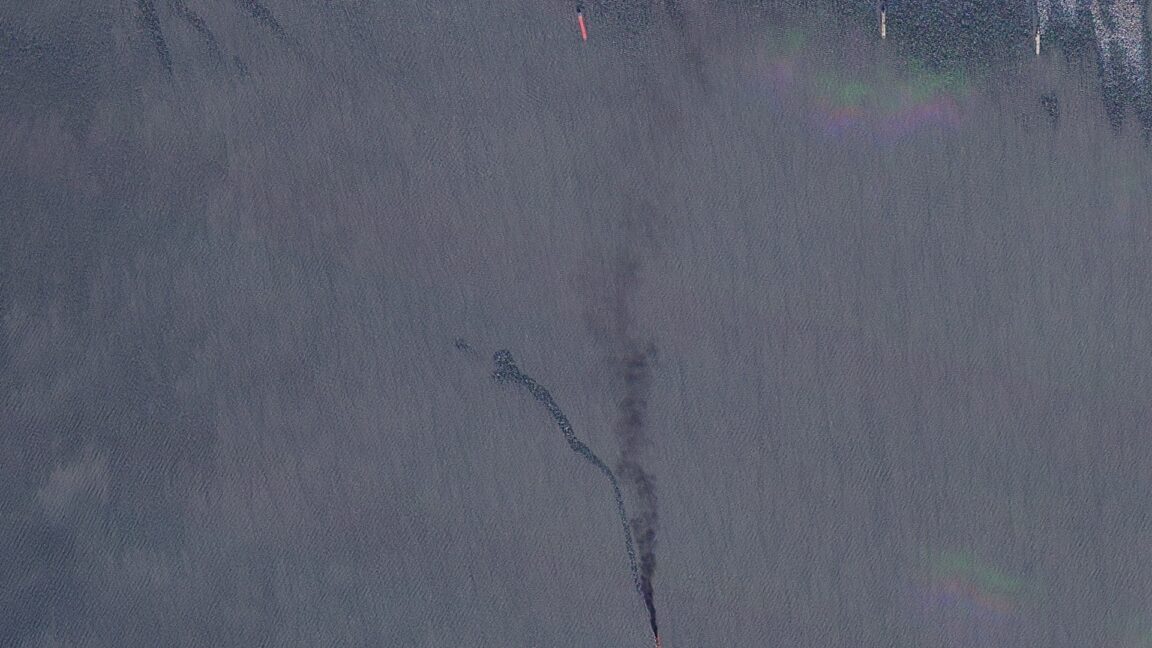
Ukraine's drone campaign halted Russian shipping in the Sea of Azov within a week, showcasing how a nation without a traditional navy can still block vital maritime routes. The move intensifies the isolation of Crimea and raises questions about future naval warfare.
Key Takeaways
- Over 100 Russian tankers and vessels targeted in a single week
- Sea of Azov shipping fully shut down; Kerch Strait transits halted
- Severe fuel shortages in occupied Crimea as energy supply lines are cut
Ukraine’s Unmanned Systems Forces launched a relentless one‑way attack drone offensive from July 6 to July 13, striking more than a hundred Russian tankers, cargo ships, and other vessels each night. Video evidence released by the forces and corroborated by Reuters confirmed the scale of the operation, forcing Russia to suspend all maritime traffic through the Sea of Azov.
Strategic Importance of the Sea of Azov
The Sea of Azov, fed by the Don River, serves as a critical conduit for Russian energy exports and the supply of fuel to the annexed Crimean Peninsula. By choking this waterway, Ukraine has effectively crippled Russia’s ability to move oil, gas, and other commodities to Crimea, exacerbating an already dire fuel rationing and power outage situation on the peninsula.
Drone Warfare Redefining Naval Power
Without a conventional navy, Ukraine has demonstrated that low‑cost, high‑precision unmanned aerial systems can impose a maritime blockade. This development signals a paradigm shift: future conflicts may see small, agile drone fleets neutralizing larger naval logistics chains, prompting a reassessment of traditional sea‑power doctrines.
Immediate Impact on Crimea
The shutdown has left Crimea with near‑zero seaborne fuel deliveries, intensifying shortages at gas stations and power plants. Earlier drone strikes on Russian energy infrastructure had already damaged refineries, sending plumes of black smoke and leaving burned‑out trucks across the region’s highways.
Implications for Global Maritime Security
Russia now faces the challenge of finding alternative supply routes or rerouting logistics through overland corridors, while the international community watches closely to gauge the broader implications for maritime security. Ukraine’s success underscores the growing relevance of asymmetric tactics in shaping geopolitical outcomes and may compel navies worldwide to integrate counter‑drone capabilities into their strategic planning.

