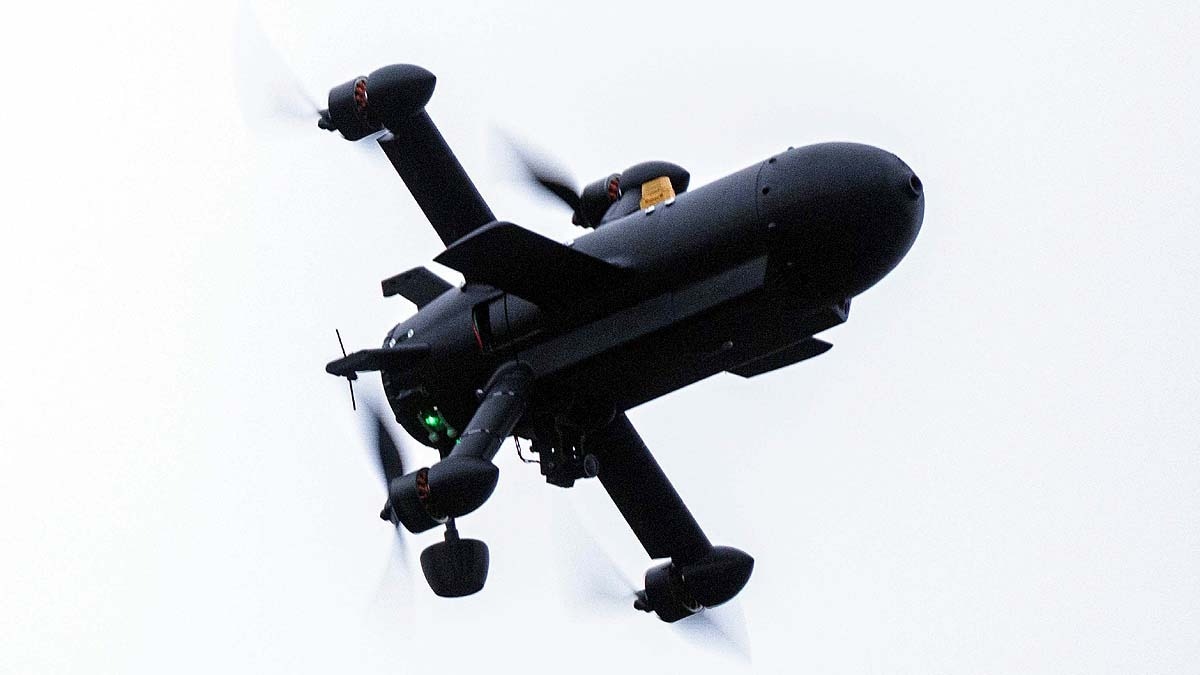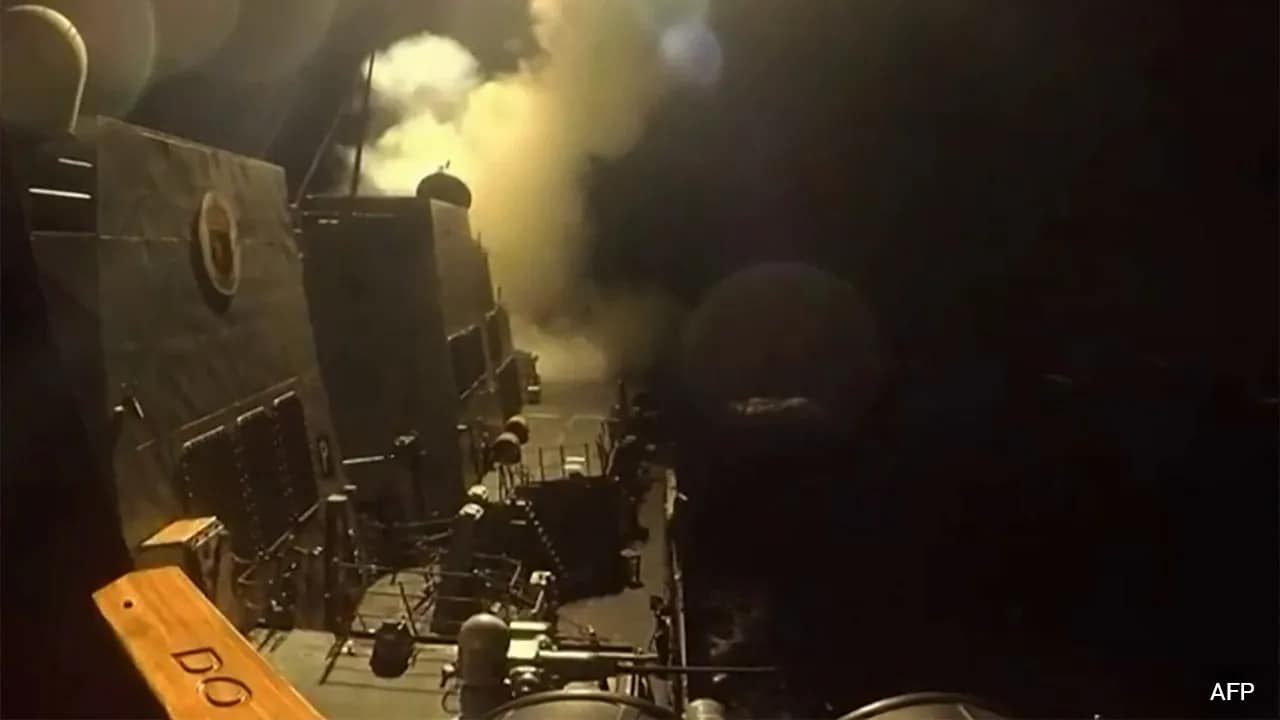
The US military announced a new wave of air attacks on Iran on Monday, marking the third night in a row of strikes. The action comes amid stalled diplomatic talks aimed at ending the conflict.
मुख्य बिंदु (Key Takeaways)
- US conducts third consecutive night of strikes on Iran
- Diplomatic negotiations falter, prompting increased military pressure
- Potential repercussions for regional stability and global energy markets
The United States armed forces launched a fresh salvo of aerial strikes against several strategic sites in Iran on Monday, marking the third consecutive night of direct military action. Officials described the operation as "defensive and deterrent," while Iranian authorities condemned it as an outright aggression.
Background and Diplomatic Stalemate
Tensions between Washington and Tehran have persisted for decades, ranging from the 2015 Joint Comprehensive Plan of Action (JCPOA) to recent sanctions over Iran's nuclear program. Late 2023 saw renewed attempts at a cease‑fire and sanctions relief, but divergent expectations and unmet conditions caused talks to stall. The diplomatic impasse appears to have nudged senior US commanders toward a heightened show of force.
Military Strategy and Targets
The strikes focused on Iran’s air‑defense installations, radar complexes, and suspected missile‑launch sites. Defense analysts suggest that by targeting these assets, the US aims to degrade Tehran’s ability to respond rapidly and to pressure the regime into returning to the negotiating table. Such "limited‑use" tactics are often employed to amplify diplomatic leverage without escalating into full‑scale war.
Regional and Global Implications
Repeated air attacks risk further destabilising an already volatile Middle East, while also threatening oil prices, shipping lanes, and broader energy markets. Experts warn that continued military pressure without a clear diplomatic pathway could trigger a cascade of realignments among regional allies, potentially reshaping power structures across the Gulf.
Looking Ahead
The pivotal question now is whether the heightened US pressure will coax Iran back to the negotiating table or spur a new phase of resistance. International actors, notably the European Union and the United Nations, are urging both sides to resume dialogue, but tangible progress remains elusive. Future moves will hinge on a delicate balance of geopolitical interests and economic imperatives.